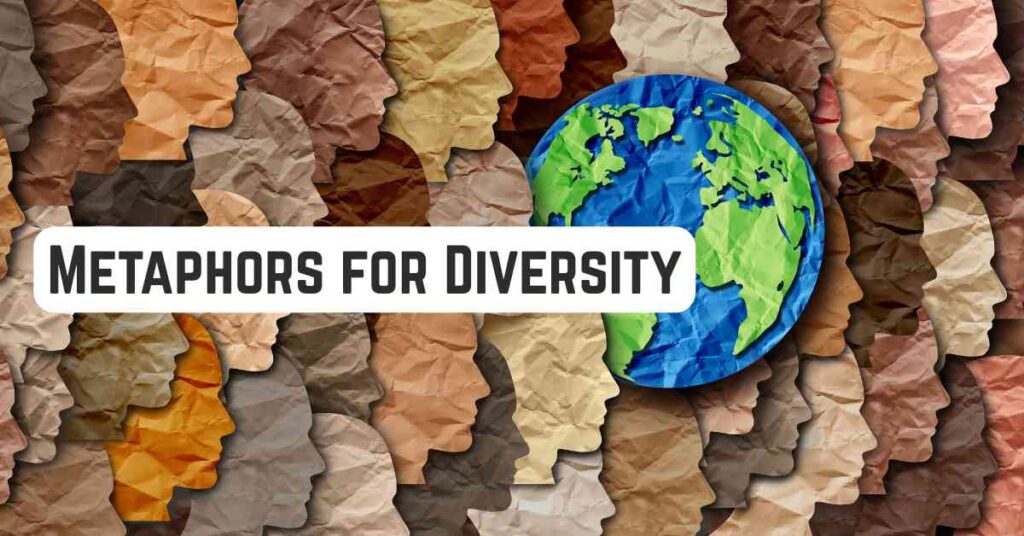

Understanding metaphors for diversity is crucial in fostering inclusive communication and a deeper appreciation of different perspectives. These metaphors shape how we perceive diversity, influencing our attitudes and behaviors. This article delves into the various metaphors used to describe diversity, exploring their implications and providing practical guidance for using them effectively. Whether you’re an educator, a diversity and inclusion professional, or simply someone interested in improving your understanding of diversity, this comprehensive guide will equip you with the knowledge and tools to navigate this complex topic with sensitivity and awareness.
This article will benefit anyone who wants to better understand the nuances of language and how it shapes our perceptions of diversity. By examining the strengths and limitations of different metaphors, readers will gain a more nuanced understanding of the complexities of diversity and inclusion.
Table of Contents
- Definition of Metaphors for Diversity
- Structural Breakdown of Diversity Metaphors
- Types of Metaphors for Diversity
- Examples of Diversity Metaphors in Use
- Usage Rules for Diversity Metaphors
- Common Mistakes When Using Diversity Metaphors
- Practice Exercises
- Advanced Topics in Diversity Metaphors
- Frequently Asked Questions
- Conclusion
Definition of Metaphors for Diversity
A metaphor is a figure of speech that directly compares two unrelated things. In the context of diversity, metaphors are used to represent the ways in which different individuals, groups, or cultures come together (or don’t) within a larger society or organization. These metaphors provide a framework for understanding the relationship between individual differences and the collective whole. They are not literal descriptions, but rather symbolic representations that highlight specific aspects of diversity.
Metaphors for diversity serve several important functions. First, they help us conceptualize abstract ideas about inclusivity and belonging. Second, they can influence our attitudes and behaviors towards people who are different from us. Third, they provide a common language for discussing diversity-related issues. However, it’s crucial to recognize that metaphors are inherently limited and can sometimes perpetuate harmful stereotypes or misunderstandings. Therefore, it’s essential to use them thoughtfully and critically.
The effectiveness of a diversity metaphor depends on its ability to resonate with people, promote understanding, and inspire positive action. Some metaphors emphasize integration and assimilation, while others celebrate individuality and distinctiveness. The choice of metaphor can have a significant impact on how diversity is perceived and valued within a particular context. For example, a metaphor that emphasizes conformity might be appropriate in a highly structured organization, while a metaphor that celebrates creativity and innovation might be more suitable in a dynamic and entrepreneurial environment.
Structural Breakdown of Diversity Metaphors
Diversity metaphors typically consist of two main components: the vehicle and the tenor. The vehicle is the concrete image or concept used to represent diversity (e.g., a salad, a tapestry, an orchestra). The tenor is the abstract idea of diversity itself. The metaphor works by transferring certain qualities or characteristics from the vehicle to the tenor, thereby shaping our understanding of diversity.
For instance, in the “salad bowl” metaphor, the vehicle is a salad, and the tenor is diversity. The metaphor suggests that, like the different ingredients in a salad, individuals from diverse backgrounds can retain their distinct identities while contributing to a larger, more flavorful whole. The key structural element here is the relationship between the individual components and the overall composition. Each metaphor emphasizes different aspects of this relationship.
Another important structural consideration is the implied action or process. Some metaphors, such as the “melting pot,” imply a process of assimilation or blending, where individual differences are gradually dissolved. Others, such as the “mosaic,” suggest a more static arrangement, where each piece maintains its unique shape and color. Understanding the implied action or process can help us evaluate the potential consequences of adopting a particular metaphor.
The effectiveness of a metaphor also depends on its resonance and cultural relevance. A metaphor that resonates with one group of people may not resonate with another. For example, the “melting pot” metaphor may be more familiar and acceptable to people in the United States, while the “salad bowl” metaphor may be more appealing to people in Canada, where multiculturalism is often emphasized.
Types of Metaphors for Diversity
There are several common metaphors used to describe diversity, each with its own strengths and limitations. Understanding these different metaphors can help us choose the most appropriate one for a particular context.
The Melting Pot
The “melting pot” metaphor suggests that different cultures and ethnicities blend together to create a homogeneous society. In this view, immigrants and minorities assimilate into the dominant culture, shedding their original identities and adopting new ones. While the melting pot metaphor can promote a sense of unity and shared identity, it can also lead to the suppression of cultural differences and the marginalization of minority groups. This metaphor is often criticized for its pressure to conform and its erasure of unique cultural heritages.
The Salad Bowl
The “salad bowl” metaphor, in contrast to the melting pot, emphasizes the preservation of cultural distinctiveness. In a salad bowl, each ingredient (e.g., lettuce, tomatoes, cucumbers) retains its individual flavor and texture, while still contributing to the overall taste of the salad. Similarly, in a diverse society, individuals from different backgrounds can maintain their unique identities while coexisting peacefully and contributing to the richness of the overall culture. The salad bowl metaphor is often seen as a more inclusive and respectful way of understanding diversity.
The Tapestry
The “tapestry” metaphor represents diversity as a woven fabric, where each thread represents a different individual or group. The threads are interwoven to create a beautiful and complex design. This metaphor highlights the interconnectedness of different groups and the importance of each thread to the overall pattern. The tapestry metaphor suggests that diversity is not just about tolerating differences, but about recognizing and celebrating the unique contributions of each individual.
The Orchestra
The “orchestra” metaphor views diversity as a group of musicians playing different instruments. Each instrument has its own unique sound, but when played together, they create a harmonious and beautiful symphony. This metaphor emphasizes the importance of collaboration and coordination in achieving a common goal. The orchestra metaphor suggests that diversity can be a source of strength and innovation, as long as everyone works together harmoniously.
The Rainbow
The “rainbow” metaphor represents diversity as a spectrum of colors, each distinct and beautiful in its own way. The rainbow is a symbol of hope and inclusivity, and it suggests that diversity is something to be celebrated and cherished. However, the rainbow metaphor can also be criticized for its superficiality, as it may not address the underlying power dynamics and inequalities that exist within diverse societies.
The Mosaic
The “mosaic” metaphor portrays diversity as a collection of tiles or fragments, each with its own unique shape, color, and texture. These tiles are arranged together to create a larger, more complex image. The mosaic metaphor emphasizes the importance of individual differences and the beauty that can arise from bringing them together. This metaphor suggests that diversity is not about blending in, but about celebrating the uniqueness of each individual and how they contribute to the overall picture.
The Garden
The “garden” metaphor illustrates diversity as a flourishing garden with various plants, flowers, and trees. Each element requires different conditions and care to thrive, representing the need for tailored support and understanding within a diverse group. This metaphor highlights the importance of nurturing individual differences and creating an environment where everyone can reach their full potential. The garden metaphor emphasizes growth, adaptation, and the beauty of natural variation.
Examples of Diversity Metaphors in Use
The following tables provide examples of how different diversity metaphors are used in various contexts. These examples illustrate the strengths and limitations of each metaphor and how they can be applied to real-world situations.
Table 1: Examples of the “Melting Pot” Metaphor
This table showcases examples of how the “melting pot” metaphor is used in various contexts, highlighting its emphasis on assimilation and cultural blending.
| Context | Example | Interpretation |
|---|---|---|
| Immigration Policy | “The US has historically been seen as a melting pot, welcoming immigrants from all over the world who eventually become ‘Americanized’.” | This suggests that immigrants are expected to adopt American customs and values, potentially losing their original cultural identities. |
| Corporate Culture | “Our company strives to create a melting pot environment where everyone shares the same values and works towards a common goal.” | This implies a desire for conformity and a homogenization of employee perspectives, potentially suppressing diverse viewpoints. |
| Education | “The school aims to be a melting pot where students from different backgrounds learn to speak the same language and embrace a shared curriculum.” | This highlights the goal of creating a unified student body with a common understanding, but may overlook the importance of culturally relevant pedagogy. |
| Social Integration | “The neighborhood is a melting pot, with families from various countries blending seamlessly into the local community.” | This suggests a smooth integration process, but may not acknowledge the challenges faced by immigrants in adapting to a new culture. |
| National Identity | “The nation’s identity is a melting pot of different ethnicities, creating a unique and unified culture.” | This emphasizes the creation of a unified national identity through cultural blending, potentially marginalizing minority cultures. |
| Workplace Diversity Programs | “Our diversity program aims to create a melting pot of ideas, where everyone contributes to a common vision.” | This suggests a collaborative environment, but may overlook the need for diverse perspectives to be valued and respected. |
| Multicultural Events | “The festival is a melting pot of cultures, showcasing the best of each tradition in a unified celebration.” | While celebrating cultural diversity, the event may inadvertently promote a homogenized view of each culture. |
| Language Acquisition | “Learning a new language is like entering a melting pot, where you shed your old linguistic habits and adopt new ones.” | This emphasizes the transformative aspect of language learning, but may overlook the value of maintaining one’s native language. |
| Culinary Traditions | “American cuisine is a melting pot of flavors, blending ingredients and techniques from around the world.” | This highlights the fusion of different culinary traditions, but may not acknowledge the origins and cultural significance of each ingredient. |
| Political Discourse | “The political landscape is a melting pot of ideologies, where different viewpoints converge to shape policy.” | This suggests a process of compromise and consensus-building, but may overlook the power dynamics that influence policy decisions. |
| Community Development | “The community is a melting pot of residents, working together to build a stronger and more unified neighborhood.” | This emphasizes the collaborative aspect of community development, but may overlook the unique needs and challenges of different residents. |
| Religious Harmony | “The interfaith dialogue aims to create a melting pot of beliefs, where different religions find common ground and promote peace.” | This suggests a desire for religious understanding, but may overlook the fundamental differences between different faiths. |
| Artistic Expression | “The artist’s work is a melting pot of styles, blending different techniques and influences to create a unique masterpiece.” | This highlights the fusion of different artistic traditions, but may not acknowledge the origins and cultural significance of each style. |
| Technological Innovation | “The tech industry is a melting pot of ideas, where innovators from different backgrounds come together to create groundbreaking technologies.” | This emphasizes the collaborative aspect of technological innovation, but may overlook the ethical implications of new technologies. |
| Global Economy | “The global economy is a melting pot of markets, where different countries trade goods and services to create a unified system.” | This suggests a seamless integration of different economies, but may not acknowledge the inequalities and power imbalances that exist within the global market. |
| Urban Planning | “The city is a melting pot of neighborhoods, each with its own unique character and contributing to the overall urban fabric.” | This highlights the diversity of urban environments, but may overlook the social and economic disparities between different neighborhoods. |
| Family Dynamics | “The family is a melting pot of personalities, where each member brings their own unique traits and experiences to the table.” | This emphasizes the diversity of family relationships, but may overlook the challenges of navigating different personalities and perspectives. |
| Healthcare System | “The healthcare system is a melting pot of professionals, where doctors, nurses, and other specialists work together to provide comprehensive care.” | This highlights the collaborative aspect of healthcare, but may overlook the communication barriers and cultural differences that can affect patient care. |
| Environmental Conservation | “The conservation effort is a melting pot of approaches, where scientists, policymakers, and community members work together to protect the environment.” | This emphasizes the collaborative aspect of environmental conservation, but may overlook the conflicting interests and priorities of different stakeholders. |
| Media Representation | “The media landscape is a melting pot of voices, where different perspectives and opinions are shared to inform the public.” | This suggests a diverse media environment, but may overlook the biases and power dynamics that influence media coverage. |
Table 2: Examples of the “Salad Bowl” Metaphor
This table provides examples of the “salad bowl” metaphor, emphasizing the coexistence of distinct cultures within a larger whole.
| Context | Example | Interpretation |
|---|---|---|
| Multicultural Societies | “Canada is often described as a salad bowl, where different cultures coexist and retain their unique identities.” | This highlights the preservation of cultural distinctiveness within a diverse society. |
| Workplace Diversity | “Our company embraces a salad bowl approach, valuing the diverse perspectives and experiences of each employee.” | This suggests that employees are encouraged to maintain their individuality while contributing to the team. |
| Educational Settings | “The university promotes a salad bowl environment, where students from different backgrounds learn from each other’s unique perspectives.” | This emphasizes the importance of cultural exchange and mutual respect in education. |
| Community Organizations | “The community center is a salad bowl, bringing together people from various backgrounds to share their traditions and experiences.” | This highlights the role of community organizations in fostering intercultural understanding. |
| Global Partnerships | “The international collaboration is a salad bowl, where different countries work together while maintaining their national identities and interests.” | This suggests a collaborative approach to global issues, respecting the sovereignty of each participating nation. |
| Team Projects | “The project team functions as a salad bowl, with each member contributing their unique skills and perspectives to achieve a common goal.” | This emphasizes the value of diverse skill sets and viewpoints in problem-solving. |
| Creative Industries | “The art collective is a salad bowl, where artists from different disciplines come together to create innovative and diverse works.” | This highlights the importance of interdisciplinary collaboration in fostering creativity. |
| Urban Neighborhoods | “The neighborhood is a salad bowl, with residents from various cultural backgrounds living side-by-side and celebrating their traditions.” | This suggests a vibrant and diverse urban environment, where different cultures coexist harmoniously. |
| Family Gatherings | “The family reunion is a salad bowl, bringing together relatives from different generations and cultural backgrounds to share their stories and experiences.” | This emphasizes the richness and diversity of family relationships. |
| Religious Communities | “The interfaith council is a salad bowl, where representatives from different religions come together to promote understanding and cooperation.” | This highlights the importance of interfaith dialogue in fostering religious harmony. |
| Political Alliances | “The coalition government is a salad bowl, with different political parties working together while maintaining their distinct ideologies.” | This suggests a collaborative approach to governance, respecting the diversity of political viewpoints. |
| Scientific Research | “The research team is a salad bowl, with scientists from different disciplines collaborating to address complex scientific challenges.” | This emphasizes the value of interdisciplinary research in advancing scientific knowledge. |
| Environmental Initiatives | “The conservation project is a salad bowl, bringing together stakeholders from various backgrounds to protect natural resources.” | This highlights the importance of collaborative conservation efforts. |
| Healthcare Delivery | “The healthcare team functions as a salad bowl, with doctors, nurses, and other specialists working together to provide comprehensive patient care.” | This emphasizes the value of interprofessional collaboration in healthcare. |
| Educational Curricula | “The curriculum is designed as a salad bowl, incorporating diverse perspectives and experiences to provide a well-rounded education.” | This highlights the importance of inclusive education. |
| Community Arts Projects | “The public art project is a salad bowl, bringing together artists and community members to create a collaborative and meaningful work.” | This emphasizes the value of community engagement in the arts. |
| Technological Development | “The tech startup is a salad bowl, with engineers, designers, and marketers from different backgrounds working together to create innovative products.” | This highlights the importance of diverse skill sets in technological innovation. |
| Social Justice Movements | “The social justice movement is a salad bowl, bringing together activists from different backgrounds to fight for equality and justice.” | This emphasizes the importance of intersectionality in social justice activism. |
| Global Health Initiatives | “The global health program is a salad bowl, with healthcare professionals from different countries working together to address global health challenges.” | This highlights the importance of international collaboration in global health. |
| Sustainable Development Projects | “The sustainable development project is a salad bowl, bringing together stakeholders from various sectors to promote economic, social, and environmental sustainability.” | This emphasizes the importance of integrated approaches to sustainable development. |
Table 3: Examples of the “Tapestry” Metaphor
This table illustrates the use of the “tapestry” metaphor, highlighting the interconnectedness and beauty created by diverse elements.
| Context | Example | Interpretation |
|---|---|---|
| Community Building | “Our community is like a tapestry, with each resident contributing a unique thread to the overall fabric.” | This emphasizes the interconnectedness of community members and the importance of each individual contribution. |
| Organizational Culture | “The company culture is a tapestry, woven together by the diverse experiences and perspectives of our employees.” | This suggests that a rich and complex organizational culture is created by valuing diverse employee backgrounds. |
| Historical Narratives | “History is a tapestry, with each event and individual contributing to the intricate pattern of human experience.” | This highlights the complexity and interconnectedness of historical events and figures. |
| Educational Programs | “The curriculum is designed as a tapestry, integrating diverse perspectives and voices to provide a comprehensive understanding of the subject matter.” | This emphasizes the importance of inclusive education in fostering critical thinking. |
| Artistic Collaborations | “The art project is a tapestry, created by artists from different backgrounds who weave together their unique styles and techniques.” | This suggests that collaborative art projects can create a rich and diverse artistic expression. |
| Social Movements | “The movement for social change is a tapestry, with activists from different backgrounds working together to create a more just and equitable world.” | Highlights the importance of diverse voices and perspectives in creating meaningful change. |
| Family Histories | “Our family history is a tapestry, woven together by the stories and experiences of our ancestors from different cultures and generations.” | Emphasizes the richness and complexity of family heritage. |
| Global Interdependence | “The global economy is a tapestry, with each nation contributing to the interconnected web of trade and commerce.” | Highlights the interdependence of nations in a globalized world. |
| Environmental Ecosystems | “An ecosystem is a tapestry, with each species and habitat playing a vital role in the overall balance of nature.” | Emphasizes the interconnectedness of all living things and the importance of biodiversity. |
| Spiritual Beliefs | “Spirituality is a tapestry, with different faiths and traditions contributing to the rich mosaic of human understanding of the divine.” | Highlights the diversity of spiritual beliefs and practices. |
| Literary Works | “A novel is a tapestry, with each character, plot point, and theme interwoven to create a complex and meaningful narrative.” | Emphasizes the intricate structure and depth of literary works. |
| Musical Compositions | “A symphony is a tapestry, with different instruments and melodies blending together to create a harmonious and moving piece of music.” | Highlights the complexity and beauty of musical compositions. |
| Architectural Designs | “A building is a tapestry, with different materials, styles, and functions coming together to create a functional and aesthetically pleasing structure.” | Emphasizes the integration of diverse elements in architectural design. |
| Scientific Discoveries | “Scientific knowledge is a tapestry, with each discovery building upon previous research to create a comprehensive understanding of the natural world.” | Highlights the cumulative nature of scientific progress. |
| Technological Innovations | “The internet is a tapestry, with different technologies, platforms, and users connecting to create a vast and interconnected network.” | Emphasizes the interconnectedness and complexity of the digital world. |
| Culinary Traditions | “A cuisine is a tapestry, with different ingredients, techniques, and flavors coming together to create a unique and satisfying culinary experience.” | Highlights the diversity and richness of culinary traditions. |
| Political Systems | “A democracy is a tapestry, with different ideologies, parties, and interest groups competing and collaborating to shape public policy.” | Emphasizes the dynamic and complex nature of democratic governance. |
| Healthcare Systems | “A healthcare system is a tapestry, with different professionals, institutions, and technologies working together to provide comprehensive patient care.” | Highlights the collaborative nature of healthcare delivery. |
| Legal Frameworks | “The law is a tapestry, with different statutes, precedents, and interpretations woven together to create a system of justice and order.” | Emphasizes the complexity and interconnectedness of the legal system. |
| Educational Philosophies | “Education is a tapestry, with different pedagogical approaches, learning styles, and assessment methods contributing to a holistic and enriching learning experience.” | Highlights the multifaceted nature of effective education. |
Usage Rules for Diversity Metaphors
When using metaphors for diversity, it’s important to follow certain guidelines to ensure that they are used effectively and respectfully. First, be aware of the potential limitations and biases of each metaphor. No single metaphor can capture the full complexity of diversity, and some metaphors may perpetuate harmful stereotypes or misunderstandings.
Second, choose a metaphor that is appropriate for the specific context. Consider the audience, the purpose of the communication, and the overall message you want to convey. For example, if you are speaking to a group of people who value individuality and distinctiveness, the “salad bowl” metaphor may be more appropriate than the “melting pot” metaphor.
Third, use metaphors sparingly and thoughtfully. Overusing metaphors can make your communication seem contrived or insincere. Instead, focus on using clear and concise language to express your ideas. When you do use a metaphor, be sure to explain its meaning and relevance to the topic at hand.
Fourth, be open to feedback and criticism. If someone tells you that a particular metaphor is offensive or insensitive, be willing to listen and learn from their perspective. Remember that language is constantly evolving, and what was once considered acceptable may no longer be so.
Finally, avoid using metaphors that are overly simplistic or reductionist. Diversity is a complex and multifaceted concept, and it cannot be adequately captured by a single, simple image. Instead, strive to use metaphors that reflect the richness and complexity of human experience.
Common Mistakes When Using Diversity Metaphors
Several common mistakes can occur when using metaphors for diversity. Understanding these mistakes can help you avoid them and communicate more effectively.
Mistake 1: Using the “Melting Pot” Metaphor Uncritically. Many people use the “melting pot” metaphor without considering its potential negative consequences. This metaphor can imply that minority cultures should assimilate into the dominant culture, which can lead to the suppression of cultural differences and the marginalization of minority groups.
Correct: “Our goal is not to create a melting pot where everyone blends together, but rather a salad bowl where each culture retains its unique identity.”
Incorrect: “We want to create a melting pot where everyone is the same.”
Mistake 2: Overusing Metaphors. Using too many metaphors can make your communication seem contrived and confusing. It’s better to use a few well-chosen metaphors that are relevant to the topic at hand.
Correct: “Our team is like an orchestra, with each member playing a different instrument to create a harmonious whole.”
Incorrect: “Our team is a melting pot, a salad bowl, a tapestry, and an orchestra all rolled into one!”
Mistake 3: Using Culturally Insensitive Metaphors. Some metaphors may be offensive or insensitive to certain cultures or groups of people. It’s important to be aware of the cultural implications of the metaphors you use.
Correct: “We strive to create an inclusive environment where everyone feels valued and respected.”
Incorrect: (Using a metaphor that relies on stereotypes or cultural appropriation)
Mistake 4: Failing to Explain the Metaphor. If you use a metaphor that is not widely understood, be sure to explain its meaning and relevance to the topic at hand. Don’t assume that everyone will understand your intended meaning.
Correct: “Our company is like a garden, where we nurture each employee’s unique talents and help them grow to their full potential.”
Incorrect: “Our company is a garden.” (Without further explanation)
Mistake 5: Using Inconsistent Metaphors. Mixing metaphors can create confusion and undermine your credibility. Stick to a consistent metaphor throughout your communication.
Correct: “Our team is like an orchestra, with each member playing a different instrument to create a harmonious whole. We need to ensure that everyone is playing in tune and following the conductor’s lead.”
Incorrect: “Our team is like an orchestra, but also a salad bowl, and we need to make sure everyone is on the same page.”
Practice Exercises
Test your understanding of metaphors for diversity with these practice exercises.
Exercise 1: Identifying Metaphors
Identify the metaphor used in each of the following sentences:
| Question | Answer |
|---|---|
| 1. The city is a vibrant mosaic of cultures. | Mosaic |
| 2. Our team is a melting pot of ideas. | Melting Pot |
| 3. The organization is like a well-tuned orchestra. | Orchestra |
| 4. The nation is a colorful rainbow of ethnicities. | Rainbow |
| 5. Our community is a rich tapestry of traditions. | Tapestry |
| 6. The classroom is a salad bowl of perspectives. | Salad Bowl |
| 7. The company is a garden, nurturing talent. | Garden |
| 8. The project was a melting pot of skills. | Melting Pot |
| 9. The world is a mosaic of nations. | Mosaic |
| 10. The choir is an orchestra of voices. | Orchestra |
Exercise 2: Choosing the Right Metaphor
Choose the most appropriate metaphor for each of the following scenarios:
| Scenario | Possible Metaphors | Correct Answer |
|---|---|---|
| 1. A company that values individual differences and encourages employees to maintain their cultural identities. | (a) Melting Pot (b) Salad Bowl (c) Tapestry | (b) Salad Bowl |
| 2. A community that strives to create a unified identity through assimilation. | (a) Melting Pot (b) Salad Bowl (c) Mosaic | (a) Melting Pot |
| 3. An organization that emphasizes collaboration and harmony among its members. | (a) Rainbow (b) Orchestra (c) Garden | (b) Orchestra |
| 4. A society that celebrates the beauty and diversity of its various ethnic groups. | (a) Melting Pot (b) Rainbow (c) Tapestry | (b) Rainbow |
| 5. A school that integrates diverse perspectives and voices into its curriculum. | (a) Garden (b) Tapestry (c) Salad Bowl | (b) Tapestry |
| 6. A project team that has diverse skills. | (a) Melting Pot (b) Salad Bowl (c) Orchestra | (b) Salad Bowl |
| 7. A city with many different cultures. | (a) Tapestry (b) Mosaic (c) Rainbow | (b) Mosaic |
| 8. A group of people working together in harmony. | (a) Orchestra (b) Melting Pot (c) Garden | (a) Orchestra |
| 9. A society where everyone blends together. | (a) Salad Bowl (b) Melting Pot (c) Tapestry | (b) Melting Pot |
| 10. A community that is interconnected. | (a) Garden (b) Rainbow (c) Tapestry | (c) Tapestry |
Advanced Topics in Diversity Metaphors
For advanced learners, it’s important to consider the more nuanced aspects of diversity metaphors. This includes understanding the historical context in which these metaphors emerged, the power dynamics they reflect, and the limitations of using metaphors to represent complex social realities.
One advanced topic is the intersectionality of diversity metaphors. Intersectionality recognizes that individuals can experience multiple forms of discrimination and marginalization based on their race, gender, class, sexual orientation, and other social identities. Metaphors that focus solely on one aspect of diversity may fail to capture the complexity of these intersecting identities.
Another advanced topic is the deconstruction of diversity metaphors. This involves critically examining the underlying assumptions and biases that inform these metaphors. For example, the “melting pot” metaphor can be deconstructed to reveal its implicit assumption that assimilation is the desired outcome of diversity.
Finally, it’s important to consider the ethical implications of using diversity metaphors. Are we using these metaphors to promote genuine understanding and inclusion, or are we simply using them as a form of political correctness? It’s crucial to engage in ongoing reflection and self-critique to ensure that our use of diversity metaphors is aligned with our values.
Frequently Asked Questions
Here are some frequently asked questions about metaphors for diversity:
Q1: What is the main purpose of using metaphors for diversity?
A1: The main purpose is to provide a simplified, relatable way to understand the complex concept of diversity. Metaphors help people visualize and conceptualize abstract ideas about inclusivity, cultural differences, and the relationships between individuals and groups within a larger society.
Q2: Why is the “melting pot” metaphor often criticized?
A2: The “melting pot” metaphor is often criticized because it implies that individuals from diverse backgrounds should assimilate into the dominant culture, shedding their original cultural identities. This can lead to the suppression of cultural differences and the marginalization of minority groups.
Q3: How does the “salad bowl” metaphor differ from the “melting pot” metaphor?
A3: The “salad bowl” metaphor emphasizes the preservation of
cultural distinctiveness, while the “melting pot” metaphor emphasizes assimilation. In a salad bowl, each ingredient retains its unique flavor and texture, whereas in a melting pot, different elements blend together to create a homogeneous mixture.
Q4: What are some other common metaphors for diversity?
A4: Other common metaphors for diversity include the “tapestry,” “orchestra,” “rainbow,” “mosaic,” and “garden.” Each of these metaphors offers a different perspective on the relationship between individual differences and the collective whole.
Q5: How can I use metaphors for diversity effectively?
A5: To use metaphors for diversity effectively, be aware of their potential limitations and biases, choose metaphors that are appropriate for the specific context, use them sparingly and thoughtfully, be open to feedback and criticism, and avoid using metaphors that are overly simplistic or reductionist.
Conclusion
Metaphors for diversity are powerful tools that can shape our understanding and appreciation of human differences. By understanding the strengths and limitations of various metaphors, we can communicate more effectively and promote a more inclusive and equitable society. It’s essential to use these metaphors thoughtfully and critically, recognizing that no single metaphor can fully capture the complexity of diversity. As we continue to explore and refine our understanding of diversity, we must remain open to new metaphors and perspectives that can help us create a more just and harmonious world.