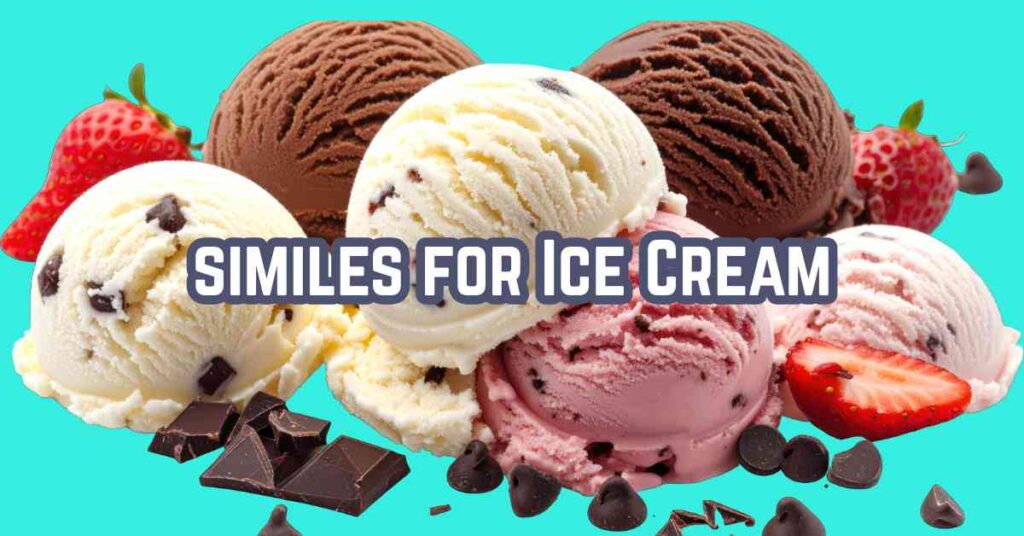

Similes are powerful tools in the English language, allowing us to paint vivid pictures with words by drawing comparisons between seemingly unrelated things. When it comes to describing something as delightful as ice cream, similes can elevate our descriptions from simple statements to sensory experiences. Understanding how to use similes effectively not only enhances our writing and speaking skills but also allows us to appreciate the nuances of language. This article will explore the art of using similes to describe ice cream, providing a comprehensive guide for anyone looking to add a touch of creativity to their vocabulary. Whether you’re a student, a writer, or simply an ice cream enthusiast, this guide will help you master the art of crafting delicious similes.
This article is designed for English language learners of all levels, from beginners to advanced speakers. It provides a detailed explanation of similes, their structure, and how they can be used to describe ice cream in imaginative ways. The examples, exercises, and explanations will equip you with the skills needed to use similes confidently and creatively.
Table of Contents
- Introduction
- What is a Simile?
- Structural Breakdown of Similes
- Types of Similes
- Similes for Describing Ice Cream: Examples
- Usage Rules for Similes
- Common Mistakes When Using Similes
- Practice Exercises
- Advanced Topics: Nuances and Variations
- Frequently Asked Questions
- Conclusion
What is a Simile?
A simile is a figure of speech that directly compares two different things, using the words “like” or “as.” The purpose of a simile is to create a more vivid and descriptive image in the reader’s or listener’s mind. Similes help to enhance understanding and appreciation by drawing connections between familiar and unfamiliar concepts. They are a fundamental element of figurative language, used extensively in literature, poetry, and everyday conversation.
Similes belong to the broader category of figurative language, which encompasses metaphors, personification, and hyperbole, among others. Unlike metaphors, which imply that one thing is another, similes explicitly state the comparison using “like” or “as.” This direct comparison makes similes a more straightforward and accessible form of figurative language, especially for language learners.
The function of a simile is to add depth and color to descriptions. Instead of simply stating a fact, a simile evokes sensory details and emotional responses. For example, saying “the ice cream was cold” is a simple statement. However, saying “the ice cream was as cold as an iceberg” creates a much stronger impression of the ice cream’s temperature. This enhanced description can make writing more engaging and memorable.
Structural Breakdown of Similes
The basic structure of a simile consists of three key components: the subject, the linking word, and the object of comparison. The subject is the thing being described, the linking word is either “like” or “as,” and the object of comparison is the thing to which the subject is being compared.
Here’s a breakdown of the structure:
- Subject: The item being described (e.g., the ice cream)
- Linking Word: “like” or “as”
- Object of Comparison: The item to which the subject is being compared (e.g., a cloud)
For example, in the simile “The ice cream was as smooth as silk,” the subject is “the ice cream,” the linking word is “as,” and the object of comparison is “silk.”
Another example: “The chocolate ice cream tastes like a dream.” Here, the subject is “the chocolate ice cream,” the linking word is “like,” and the object of comparison is “a dream.” Understanding this structure helps in creating effective and clear similes.
The order can sometimes be varied for stylistic effect, but the underlying structure remains the same. For instance, you could say “Like a melting glacier, the ice cream dripped down my hand.” Here, the object of comparison comes first, but the core elements are still present.
Types of Similes
While all similes serve the same basic purpose – to draw a comparison using “like” or “as” – they can be categorized based on the type of comparison they make. Here are a few common types:
Descriptive Similes
These similes focus on describing a physical characteristic or attribute of the subject. They often appeal to the senses, such as sight, taste, touch, smell, or sound.
Example: “The vanilla ice cream was as white as fresh snow.”
Comparative Similes
These similes highlight a similarity in quality or characteristic between the subject and the object of comparison.
Example: “Eating this ice cream is like taking a mini-vacation.”
Exaggerative Similes
These similes use hyperbole to emphasize a particular aspect of the subject, often for humorous effect.
Example: “This ice cream is as addictive as oxygen.”
Figurative Similes
These similes use abstract or imaginative comparisons to create a more evocative image.
Example: “The taste of the ice cream was like a sweet memory resurfacing.”
Similes for Describing Ice Cream: Examples
Here we delve into a variety of similes that can be used to describe ice cream. These examples are categorized by the aspect of the ice cream they describe, such as texture, flavor, temperature, appearance, and overall experience. Each category provides a range of similes to help you enhance your descriptive language.
Similes Describing Ice Cream Texture
The texture of ice cream is a crucial element of its appeal. It can be smooth, creamy, icy, or grainy. The following table provides similes that capture these different textural qualities.
| Simile | Explanation |
|---|---|
| As smooth as silk | Describes a very fine, creamy texture. |
| Like velvet on the tongue | Emphasizes the luxurious, soft feel. |
| As creamy as a cloud | Highlights the light and airy texture. |
| Like a frozen dream | Suggests a delightful and ethereal texture. |
| As grainy as coarse sand | Describes an undesirable, rough texture. |
| Like crushed ice | Indicates an icy, less smooth texture. |
| As fluffy as whipped cream | Highlights a light and airy texture. |
| Like a mousse, but frozen | Compares it to a similar, light dessert. |
| As dense as fudge | Describes a thick, heavy texture. |
| Like frozen custard | Highlights a rich and creamy texture. |
| As light as a feather | Describes a very airy and delicate texture. |
| Like a snowball melting in your mouth | Emphasizes the cold and melting texture. |
| As rich as buttercream frosting | Describes a very decadent and creamy texture. |
| Like a frozen smoothie | Highlights a blended and smooth texture. |
| As firm as a frozen brick | Describes a very solid and hard texture. |
| Like a cool, soft pillow | Emphasizes the comforting and gentle texture. |
| As delicate as spun sugar | Describes a fine and fragile texture. |
| Like frozen yogurt, but richer | Compares it to a similar, tangy dessert. |
| As airy as meringue | Highlights a light and foamy texture. |
| Like a frozen cloud of sweetness | Suggests a delightful and ethereal texture. |
| As smooth as a baby’s skin | Describes a very soft and delicate texture. |
| Like a perfectly blended milkshake | Emphasizes a smooth and creamy texture. |
| As velvety as a rose petal | Highlights the luxurious and soft feel. |
| Like a frozen custard, but lighter | Compares it to a similar, but less dense dessert. |
Similes Describing Ice Cream Flavor
The flavor of ice cream is what truly makes it special. It can be sweet, tangy, rich, or refreshing. Here are some similes that capture the essence of various ice cream flavors.
| Simile | Explanation |
|---|---|
| As sweet as honey | Describes a pure, natural sweetness. |
| Like a burst of sunshine | Highlights a bright, cheerful flavor. |
| As rich as dark chocolate | Emphasizes a deep, intense flavor. |
| Like a symphony of flavors | Suggests a complex and harmonious taste. |
| As tangy as lemonade | Describes a sharp, citrusy flavor. |
| Like a taste of paradise | Highlights a blissful and exotic flavor. |
| As refreshing as a cool breeze | Describes a light and invigorating flavor. |
| Like a warm hug on a cold day | Emphasizes a comforting and familiar flavor. |
| As decadent as a chocolate truffle | Describes a rich and indulgent flavor. |
| Like a taste of childhood | Highlights a nostalgic and comforting flavor. |
| As fruity as a summer garden | Describes a vibrant and fresh flavor. |
| Like a sweet serenade | Suggests a delightful and harmonious taste. |
| As intense as espresso | Emphasizes a strong and bold flavor. |
| Like a bite of heaven | Highlights a blissful and divine flavor. |
| As mellow as vanilla bean | Describes a smooth and subtle flavor. |
| Like a sweet dream come true | Emphasizes a delightful and fulfilling flavor. |
| As zesty as lime sorbet | Describes a vibrant and citrusy flavor. |
| Like a whisper of sweetness | Highlights a delicate and subtle flavor. |
| As nutty as almond biscotti | Describes a rich and nutty flavor. |
| Like a comforting lullaby | Emphasizes a soothing and familiar flavor. |
| As spicy as ginger snaps | Describes a warm and spicy flavor. |
| Like a carnival of flavors | Suggests a playful and exciting taste. |
| As aromatic as cinnamon rolls | Describes a warm and fragrant flavor. |
| Like a culinary masterpiece | Highlights an exquisite and complex flavor. |
Similes Describing Ice Cream Temperature
The temperature of ice cream is key to its enjoyment. It should be cold enough to be refreshing, but not so cold that it’s painful. Here are similes that describe the ideal temperature of ice cream.
| Simile | Explanation |
|---|---|
| As cold as an iceberg | Emphasizes the extreme coldness. |
| Like a winter breeze | Highlights a refreshing coldness. |
| As chilling as a polar dip | Describes an invigorating coldness. |
| Like a frozen kiss | Suggests a delightful and refreshing coldness. |
| As icy as a glacier | Describes a solid and intense coldness. |
| Like a burst of arctic air | Highlights a sharp and invigorating coldness. |
| As frosty as a winter morning | Describes a crisp and refreshing coldness. |
| Like a cool escape from the heat | Emphasizes the relief provided by the coldness. |
| As frigid as a deep freeze | Describes an extremely cold temperature. |
| Like a refreshing dip in a cold pool | Highlights the invigorating coldness. |
| As crisp as a winter frost | Describes a sharp and refreshing coldness. |
| Like a cool embrace on a hot day | Emphasizes the comforting coldness. |
| As frozen as a block of ice | Describes a solid and unyielding coldness. |
| Like a refreshing splash of cold water | Highlights the invigorating coldness. |
| As glacial as a mountain stream | Describes a pure and intense coldness. |
| Like a cool oasis in the desert | Emphasizes the relief provided by the coldness. |
| As icy as a frozen waterfall | Describes a powerful and intense coldness. |
| Like a cool hand on a fevered brow | Highlights the soothing coldness. |
| As brisk as a winter wind | Describes a sharp and invigorating coldness. |
| Like a refreshing snow flurry | Emphasizes the light and delightful coldness. |
| As sub-zero as the arctic circle | Describes an extremely cold temperature. |
| Like a chilled glass of water on a summer day | Highlights the refreshing coldness. |
| As crisp as a freshly fallen snowflake | Describes a pure and delicate coldness. |
| Like a cool shadow in the midday sun | Emphasizes the relief provided by the coldness. |
Similes Describing Ice Cream Appearance
The visual appeal of ice cream can be just as important as its taste and texture. The colors, swirls, and toppings all contribute to the overall experience. Here are similes that describe the appearance of ice cream.
| Simile | Explanation |
|---|---|
| As white as fresh snow | Describes a pure and clean white color. |
| Like a swirl of pastel colors | Highlights the blended and soft colors. |
| As bright as a rainbow | Describes a vibrant and colorful appearance. |
| Like a work of art | Suggests a beautiful and carefully crafted appearance. |
| As rich as molten gold | Describes a deep and lustrous color. |
| Like a painter’s palette | Highlights the variety of colors. |
| As dark as midnight | Describes a deep and intense color. |
| Like a starry night | Emphasizes the sparkling and speckled appearance. |
| As vibrant as a summer garden | Describes a lively and colorful appearance. |
| Like a mosaic of flavors | Highlights the varied and blended components. |
| As pale as moonlight | Describes a soft and gentle color. |
| Like a dream in a cone | Emphasizes the fantastical and beautiful appearance. |
| As radiant as the morning sun | Describes a bright and cheerful appearance. |
| Like a cascade of sweetness | Highlights the flowing and abundant appearance. |
| As deep as the ocean | Describes a rich and profound color. |
| Like a treasure chest of treats | Emphasizes the delightful and abundant appearance. |
| As delicate as a porcelain doll | Describes a fine and intricate appearance. |
| Like a sweet mirage | Highlights the enticing and illusory appearance. |
| As luscious as a ripe berry | Describes a rich and appealing color. |
| Like a jewel in a cone | Emphasizes the precious and beautiful appearance. |
| As creamy as a pearl | Describes a smooth and lustrous appearance. |
| Like a sweet galaxy swirling in a cup | Highlights the cosmic and dreamy appearance. |
| As vibrant as a tropical sunset | Describes a colorful and dynamic appearance. |
| Like a magical potion ready to be enjoyed | Emphasizes the enchanting and delightful appearance. |
Similes Describing the Overall Experience
The overall experience of eating ice cream is more than just the sum of its parts. It’s about the feeling, the memory, and the joy it brings. Here are similes that capture the overall experience of eating ice cream.
| Simile | Explanation |
|---|---|
| Like a taste of heaven | Emphasizes the blissful and divine experience. |
| As comforting as a warm hug | Describes a soothing and familiar experience. |
| Like a sweet escape from reality | Highlights the pleasurable and distracting experience. |
| As joyful as a child’s laughter | Describes a pure and happy experience. |
| Like a mini-vacation in a cone | Emphasizes the relaxing and enjoyable experience. |
| As delightful as a surprise gift | Describes a pleasant and unexpected experience. |
| Like a sweet memory resurfacing | Highlights the nostalgic and comforting experience. |
| As satisfying as a perfect ending | Describes a fulfilling and complete experience. |
| Like a burst of pure joy | Emphasizes the exhilarating and happy experience. |
| As soothing as a gentle breeze | Describes a calming and refreshing experience. |
| Like a celebration in your mouth | Highlights the festive and joyous experience. |
| As comforting as a mother’s embrace | Describes a warm and nurturing experience. |
| Like a sweet dream come true | Emphasizes the fulfilling and delightful experience. |
| As refreshing as a cool rain | Describes an invigorating and cleansing experience. |
| Like a symphony of sensations | Highlights the harmonious and complex experience. |
| As blissful as a peaceful nap | Describes a relaxed and contented experience. |
| Like a sweet serenade to your taste buds | Emphasizes the delightful and harmonious experience. |
| As uplifting as a sunny day | Describes a cheerful and invigorating experience. |
| As magical as a fairy tale | Emphasizes the enchanting and delightful experience. |
| Like a sweet adventure in every bite | Highlights the exciting and explorative experience. |
| As memorable as a first love | Describes a profound and unforgettable experience. |
| Like a sweet reward after a long day | Emphasizes the satisfying and fulfilling experience. |
| As pure as a child’s smile | Describes an innocent and genuine experience. |
| Like a sweet secret you can’t wait to share | Highlights the delightful and exciting experience. |
Usage Rules for Similes
Using similes effectively involves adhering to certain rules to ensure clarity and impact. Here are some key usage rules to keep in mind:
- Ensure a clear connection: The comparison should be easy to understand. The object of comparison should have a recognizable quality that relates to the subject. For example, “as cold as an iceberg” works because icebergs are universally known to be cold.
- Avoid clichés: Overused similes can lose their impact. Try to come up with fresh and original comparisons. Instead of “as sweet as sugar,” consider “as sweet as wildflower honey.”
- Consider the context: The simile should be appropriate for the tone and style of your writing or speech. A humorous simile might not be suitable for a serious context.
- Use sparingly: Overusing similes can make your writing seem forced and unnatural. Use them strategically to enhance key descriptions.
- Be specific: The more specific your comparison, the more vivid the image will be. Instead of “like a sweet treat,” try “like a slice of homemade apple pie.”
Exceptions and Special Cases:
- Intentional clichés: Sometimes, using a cliché can be effective if done intentionally for humorous or ironic effect.
- Cultural context: Some similes may be more effective in certain cultures or regions due to shared knowledge or experiences.
Common Mistakes When Using Similes
Even with a good understanding of similes, it’s easy to make mistakes. Here are some common errors to avoid:
| Incorrect | Correct | Explanation |
|---|---|---|
| The ice cream was like good. | The ice cream was like a taste of heaven. | The object of comparison is too vague. |
| The ice cream was as cold like ice. | The ice cream was as cold as ice. | Avoid using both “as” and “like” in the same simile. |
| The ice cream was as sweet as sweet. | The ice cream was as sweet as honey. | The object of comparison should be different from the subject. |
| The ice cream was like a car. | The ice cream was like a melting dream. | The comparison should be relevant and make sense. |
| The ice cream was as smooth as a rock. | The ice cream was as smooth as silk. | Ensure the comparison is accurate and logical. |
| The ice cream tasted like purple. | The ice cream tasted like lavender. | Comparisons should appeal to the appropriate sense (taste, sight, etc.). |
Explanation of Common Mistakes:
- Vague Comparisons: Using vague or general terms as the object of comparison doesn’t create a vivid image.
- Redundant Language: Combining “as” and “like” is grammatically incorrect and unnecessary.
- Self-Referential Comparisons: Comparing something to itself is pointless and doesn’t add any descriptive value.
- Irrelevant Comparisons: The object of comparison should have a logical connection to the subject.
- Inaccurate Comparisons: Ensure that the comparison is factually accurate and makes sense.
- Sensory Mismatch: The comparison should appeal to the appropriate sense. You can’t taste a color, for example.
Practice Exercises
Test your understanding of similes with these practice exercises. Each exercise focuses on a different aspect of simile usage.
Exercise 1: Identifying Similes
Identify the similes in the following sentences.
| Question | Answer |
|---|---|
| 1. The ice cream was as cold as an iceberg. | as cold as an iceberg |
| 2. Her smile was radiant. | (No simile) |
| 3. The chocolate ice cream tasted like a dream. | tasted like a dream |
| 4. The vanilla ice cream was white. | (No simile) |
| 5. The strawberry ice cream was as sweet as honey. | as sweet as honey |
| 6. The cone was crunchy. | (No simile) |
| 7. Eating ice cream is like taking a mini-vacation. | like taking a mini-vacation |
| 8. The ice cream melted quickly. | (No simile) |
| 9. The mint ice cream was as refreshing as a cool breeze. | as refreshing as a cool breeze |
| 10. The rocky road ice cream was delicious. | (No simile) |
Exercise 2: Completing Similes
Complete the following similes with appropriate endings.
| Question | Answer |
|---|---|
| 1. The ice cream was as smooth as _____. | silk |
| 2. Eating the ice cream was like _____. | a taste of heaven |
| 3. The ice cream was as cold as _____. | a winter breeze |
| 4. The color of the ice cream was like _____. | a summer sunset |
| 5. The experience of eating the ice cream was as joyful as _____. | a child’s laughter |
| 6. The texture of the ice cream was like _____. | velvet on the tongue |
| 7. The sweetness of the ice cream was as intense as _____. | wildflower honey |
| 8. The cone tasted like _____. | freshly baked bread |
| 9. The ice cream flavor was as refreshing as _____. | a mountain spring |
| 10. The presentation of the ice cream was like _____. | a work of art |
Exercise 3: Creating Similes
Create your own similes to describe the following aspects of ice cream.
| Aspect | Example Answer |
|---|---|
| 1. The texture of chocolate ice cream | The chocolate ice cream was as dense as fudge. |
| 2. The flavor of strawberry ice cream | The strawberry ice cream tasted like a summer garden in full bloom. |
| 3. The temperature of mint ice cream | The mint ice cream was as chilling as a polar dip. |
| 4. The appearance of Neapolitan ice cream | The Neapolitan ice cream looked like a swirl of pastel dreams. |
| 5. The overall experience of eating ice cream on a hot day | Eating ice cream on a hot day is like finding a cool oasis in the desert. |
| 6. The texture of vanilla ice cream | The vanilla ice cream was as smooth as a baby’s skin. |
| 7. The flavor of coffee ice cream | The coffee ice cream tasted like a strong and comforting embrace. |
| 8. The temperature of lemon sorbet | The lemon sorbet was as icy as a winter wind. |
| 9. The appearance of rocky road ice cream | The rocky road ice cream looked like a treasure chest filled with surprises. |
| 10. The overall experience of eating ice cream after a long day | Eating ice cream after a long day is like a sweet reward for all your hard work. |
Advanced Topics: Nuances and Variations
For advanced learners, understanding the nuances and variations of similes can further enhance their descriptive abilities. Here are some advanced topics to explore:
Implied Similes
An implied simile is a simile where the linking word (“like” or “as”) is omitted, but the comparison is still clear. This creates a more subtle and sophisticated effect.
Example:
- Explicit Simile: “The ice cream, like a melting glacier, dripped down my hand.”
- Implied Simile: “The ice cream, a melting glacier, dripped down my hand.”
Extended Similes
An extended simile is a simile that is developed over several lines or sentences, providing a more detailed and elaborate comparison. This allows for a richer and more immersive description.
Example:
“The ice cream was like a symphony of flavors, each note distinct yet harmonizing perfectly with the others. The sweetness of the vanilla danced with the tartness of the berries, while the richness of the chocolate provided a deep and resonant bass note. It was a composition of taste that lingered long after the last spoonful.”
Subverted Similes
A subverted simile is a simile that intentionally defies expectations or creates an unexpected comparison. This can be used for humorous or ironic effect.
Example:
“The ice cream was as healthy as a triple cheeseburger.” (This is humorous because ice cream is generally not considered healthy.)
Frequently Asked Questions
Here are some frequently asked questions about similes:
- What is the difference between a simile and a metaphor?
A simile directly compares two things using “like” or “as,” while a metaphor implies that one thing is another. Similes are more explicit, while metaphors are more implicit.
- Can a simile be a cliché?
Yes, overused similes can become clichés. It’s best to avoid common phrases and try to create original comparisons.
- How can I make my similes more creative?
Think outside the box and look for unexpected connections between things. Use sensory details and vivid language to create a strong image.
- Is it okay to use similes in formal writing?
Yes, but use them sparingly and ensure they are appropriate for the tone and style of the writing. Overusing similes can make formal writing seem less serious.
- What is the purpose of using similes?
Similes add depth, color, and clarity to descriptions. They help to create a more vivid and memorable image in the reader’s or listener’s mind.
- Can a simile be used to describe abstract concepts?
Yes, similes can be used to describe abstract concepts by comparing them to concrete things. For example, “Love is like a warm blanket on a cold night.”
- How do I know if a simile is effective?
An effective simile should be clear, relevant, and create a strong image in the mind of the reader or listener. If the comparison is confusing or doesn’t make sense, it’s not effective.
- What are some examples of good similes?
Some examples of good similes include: “as brave as a lion,” “as quiet as a mouse,” and “as bright as the sun.” These similes use familiar and easily understood comparisons.
Conclusion
Mastering the art of using similes can significantly
enhance your descriptive writing and speaking skills. By understanding the structure, types, and usage rules of similes, you can craft vivid and memorable comparisons that bring your descriptions to life. Whether you’re describing the texture, flavor, temperature, appearance, or overall experience of ice cream, similes provide a powerful tool for engaging your audience and creating a lasting impression. So, go ahead and experiment with these techniques to add a touch of sweetness to your language!