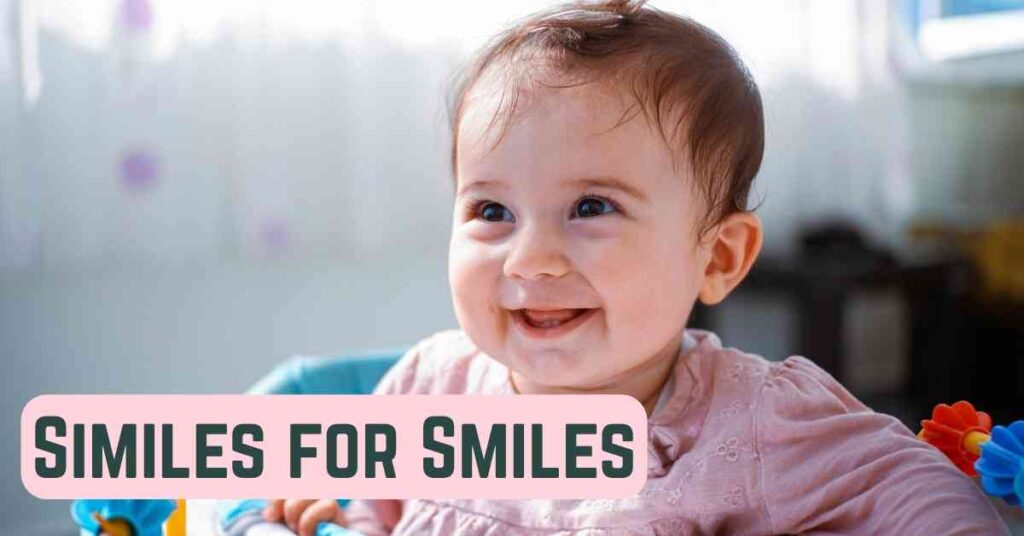

Understanding how to use similes to describe a smile can greatly enhance your writing and communication skills. A well-crafted simile can transform a simple description into a vivid and memorable image. This article provides a detailed exploration of similes for smiles, offering definitions, structural breakdowns, examples, usage rules, and practice exercises. Whether you’re a student, writer, or language enthusiast, this guide will help you master the art of describing smiles with creativity and precision.
Table of Contents
- Introduction
- Definition of Simile
- Structural Breakdown of Similes
- Types of Smile Similes
- Examples of Similes for Smiles
- Usage Rules for Similes
- Common Mistakes When Using Similes
- Practice Exercises
- Advanced Topics in Similes
- Frequently Asked Questions
- Conclusion
Definition of Simile
A simile is a figure of speech that compares two unlike things using the words “like” or “as.” It’s a powerful tool for creating vivid imagery and enhancing descriptions. In the context of describing a smile, similes can help convey the specific qualities and emotions associated with it, making your writing more engaging and descriptive.
Similes are essential in both creative writing and everyday communication. They allow us to express abstract concepts in more concrete and relatable terms. By comparing a smile to something familiar, we can evoke a deeper understanding and emotional connection in the reader or listener.
Structural Breakdown of Similes
A simile generally consists of three main components:
- The subject: The thing being described (in this case, a smile).
- The linking word: “Like” or “as.”
- The object of comparison: The thing the subject is being compared to.
The basic formula for a simile is: Subject + Linking Word + Object of Comparison. For example, “Her smile was like sunshine.” Here, “her smile” is the subject, “like” is the linking word, and “sunshine” is the object of comparison.
Understanding this structure allows you to create effective similes by carefully selecting objects of comparison that highlight specific aspects of the subject. The key is to choose comparisons that are both evocative and relevant to the intended meaning.
Types of Smile Similes
Smile similes can be categorized based on the specific qualities they emphasize. Here are some common types:
Similes Describing Brightness
These similes focus on the radiant and luminous aspects of a smile.
Similes Describing Warmth
These similes highlight the comforting and inviting nature of a smile.
Similes Describing Sincerity
These similes emphasize the genuine and heartfelt quality of a smile.
Similes Describing Playfulness
These similes capture the lighthearted and mischievous nature of a smile.
Similes Describing Serenity
These similes focus on the peaceful and calming aspects of a smile.
Examples of Similes for Smiles
Here are several examples of similes for smiles, organized by the different qualities they describe. Each table provides a range of options to enhance your writing.
Similes Describing Brightness
The following table illustrates similes that capture the brightness of a smile, comparing it to radiant and luminous objects. Using these can help emphasize the dazzling and cheerful nature of the smile.
| Simile | Explanation |
|---|---|
| Her smile was like sunshine on a cloudy day. | The smile brightens up a gloomy situation. |
| His smile was as radiant as the morning sun. | The smile is intensely bright and cheerful. |
| Her smile sparkled like diamonds. | The smile is brilliant and captivating. |
| His smile was like a beacon in the night. | The smile provides guidance and hope. |
| Her smile shone like a lighthouse. | The smile is a strong and reliable source of light. |
| His smile was as bright as a supernova. | The smile is explosively radiant and impressive. |
| Her smile glimmered like freshly fallen snow. | The smile is pure and pristine in its brightness. |
| His smile was like a flash of lightning. | The smile is sudden, brilliant, and impactful. |
| Her smile was as luminous as a full moon. | The smile is gentle and calming in its brightness. |
| His smile was like a spotlight. | The smile draws attention and highlights positivity. |
| Her smile was as shiny as polished silver. | The smile is refined and gleaming. |
| His smile was like a sunbeam through the leaves. | The smile is a ray of light in a shaded area. |
| Her smile was as golden as a sunset. | The smile is warm and beautiful in its radiance. |
| His smile was like a string of fairy lights. | The smile is delicate and magical in its brightness. |
| Her smile was as dazzling as a disco ball. | The smile is flashy and attention-grabbing. |
| His smile was like a sparkler on the Fourth of July. | The smile is festive and celebratory. |
| Her smile was as incandescent as a light bulb. | The smile is glowing and intensely bright. |
| His smile was like a halogen lamp. | The smile is powerful and highly focused. |
| Her smile was as effulgent as a star. | The smile is brilliantly radiant and magnificent. |
| His smile was like a glint of gold. | The smile is precious and valuable in its brightness. |
| Her smile was as shiny as a new penny. | The smile is fresh and optimistic. |
| His smile was like a neon sign. | The smile is bold and unmissable. |
| Her smile was as bright as a firefly. | The smile is small but noticeable and enchanting. |
Similes Describing Warmth
The subsequent table presents similes that describe the warmth of a smile, comparing it to comforting and inviting elements. These similes are useful for conveying the approachable and affectionate nature of the smile.
| Simile | Explanation |
|---|---|
| Her smile was like a warm blanket on a cold day. | The smile provides comfort and security. |
| His smile was as comforting as a cup of hot cocoa. | The smile offers solace and warmth. |
| Her smile was like a gentle hug. | The smile is affectionate and reassuring. |
| His smile was as welcoming as an open fire. | The smile is inviting and friendly. |
| Her smile was like a ray of sunshine on your face. | The smile is pleasant and uplifting. |
| His smile was as soothing as a warm bath. | The smile is relaxing and calming. |
| Her smile was like a soft, woolen scarf. | The smile provides gentle protection and warmth. |
| His smile was as heartening as a good deed. | The smile is uplifting and encouraging. |
| Her smile was like a cozy fireplace. | The smile offers a sense of home and warmth. |
| His smile was as balmy as a summer breeze. | The smile is gentle and pleasant. |
| Her smile was like a sip of hot tea. | The smile is comforting and revitalizing. |
| His smile was as tender as a mother’s embrace. | The smile is caring and nurturing. |
| Her smile was like a crackling fire on a winter night. | The smile is lively and warming. |
| His smile was as genial as a friendly handshake. | The smile is amicable and welcoming. |
| Her smile was like a gentle pat on the back. | The smile is supportive and encouraging. |
| His smile was as affectionate as a puppy’s lick. | The smile is loving and playful. |
| Her smile was like a reassuring nod. | The smile is supportive and affirmative. |
| His smile was as benevolent as a kind gesture. | The smile is generous and compassionate. |
| Her smile was like a toasty oven on a cold day. | The smile is comforting and nurturing. |
| His smile was as cordial as a warm invitation. | The smile is friendly and welcoming. |
| Her smile was like a cashmere sweater. | The smile is soft and luxurious. |
| His smile was as pleasant as a sunny afternoon. | The smile is cheerful and agreeable. |
| Her smile was like a comforting lullaby. | The smile is soothing and calming. |
Similes Describing Sincerity
This table includes similes that capture the sincerity of a smile, comparing it to honest and genuine expressions. These similes are ideal for conveying the authenticity and trustworthiness of the smile.
| Simile | Explanation |
|---|---|
| Her smile was as genuine as a child’s laughter. | The smile is pure and unfeigned. |
| His smile was like an open book. | The smile is honest and transparent. |
| Her smile was as true as a clear blue sky. | The smile is sincere and untainted. |
| His smile was like a heartfelt promise. | The smile is trustworthy and reliable. |
| Her smile was as honest as the day is long. | The smile is completely truthful and sincere. |
| His smile was like a firm handshake. | The smile is genuine and dependable. |
| Her smile was as sincere as a friend’s advice. | The smile is well-intentioned and honest. |
| His smile was like a beacon of truth. | The smile illuminates honesty and integrity. |
| Her smile was as authentic as a handwritten letter. | The smile is personal and genuine. |
| His smile was like a vow spoken from the heart. | The smile is deeply sincere and committed. |
| Her smile was as candid as a straightforward answer. | The smile is frank and honest. |
| His smile was like a mirror reflecting his soul. | The smile reveals his true feelings and character. |
| Her smile was as unfeigned as a baby’s coo. | The smile is natural and innocent. |
| His smile was like a clear conscience. | The smile is free from deceit or guilt. |
| Her smile was as earnest as a prayer. | The smile is heartfelt and serious. |
| His smile was like a loyal friend. | The smile is steadfast and reliable. |
| Her smile was as forthright as a direct question. | The smile is straightforward and honest. |
| His smile was like a pledge of honor. | The smile is a solemn promise of sincerity. |
| Her smile was as guileless as a child’s drawing. | The smile is innocent and without deception. |
| His smile was like a genuine work of art. | The smile is authentic and skillfully crafted. |
Similes Describing Playfulness
The following table provides similes that capture the playful nature of a smile, comparing it to lighthearted and mischievous elements. These similes are suitable for describing smiles that are fun, teasing, or spirited.
| Simile | Explanation |
|---|---|
| Her smile was like a mischievous grin. | The smile is playfully teasing. |
| His smile was as playful as a kitten’s pounce. | The smile is lighthearted and spirited. |
| Her smile was like a twinkle in her eye. | The smile is subtly playful and knowing. |
| His smile was as impish as a pixie’s dance. | The smile is mischievous and whimsical. |
| Her smile was like a secret joke. | The smile is hinting at something amusing. |
| His smile was as teasing as a gentle nudge. | The smile is playfully provoking. |
| Her smile was like a burst of bubbles. | The smile is effervescent and joyful. |
| His smile was as frisky as a puppy’s wag. | The smile is lively and energetic. |
| Her smile was like a game of tag. | The smile is engaging and fun. |
| His smile was as mischievous as a squirrel’s antics. | The smile is playfully naughty. |
| Her smile was like a hidden surprise. | The smile is unexpected and delightful. |
| His smile was as spirited as a kite in the wind. | The smile is lively and free. |
| Her smile was like a playful wink. | The smile is flirtatious and teasing. |
| His smile was as jaunty as a sailor’s jig. | The smile is cheerful and lively. |
| Her smile was like a merry-go-round. | The smile is giddy and fun. |
| His smile was as sprightly as a leprechaun’s jig. | The smile is lively and full of fun. |
| Her smile was like a playful nudge. | The smile is subtly mischievous. |
| His smile was as waggish as a jester’s jest. | The smile is humorous and teasing. |
| Her smile was like a cascade of giggles. | The smile is infectious and joyful. |
| His smile was as roguish as a pirate’s grin. | The smile is playfully rebellious. |
Similes Describing Serenity
The following table presents similes that describe the serene qualities of a smile, comparing it to peaceful and calming elements. These similes are ideal for conveying the tranquil and soothing nature of the smile.
| Simile | Explanation |
|---|---|
| Her smile was like a calm sea. | The smile is peaceful and undisturbed. |
| His smile was as serene as a quiet forest. | The smile is tranquil and calming. |
| Her smile was like a gentle breeze. | The smile is soothing and refreshing. |
| His smile was as peaceful as a sleeping child. | The smile is innocent and undisturbed. |
| Her smile was like a tranquil lake. | The smile is still and reflective. |
| His smile was as soothing as a soft melody. | The smile is calming and harmonious. |
| Her smile was like a quiet sunset. | The smile is beautiful and peaceful. |
| His smile was as placid as a still pond. | The smile is calm and undisturbed. |
| Her smile was like a serene garden. | The smile is peaceful and harmonious. |
| His smile was as tranquil as a mountain vista. | The smile is majestic and calming. |
| Her smile was like a gentle rain. | The smile is cleansing and refreshing. |
| His smile was as restful as a long nap. | The smile is rejuvenating and peaceful. |
| Her smile was like a calm morning. | The smile is fresh and peaceful. |
| His smile was as serene as a starry night. | The smile is beautiful and calming. |
| Her smile was like a peaceful meditation. | The smile is calming and reflective. |
| His smile was as still as a sleeping cat. | The smile is quiet and undisturbed. |
| Her smile was like a soft whisper. | The smile is gentle and calming. |
| His smile was as unruffled as a swan on a lake. | The smile is composed and serene. |
| Her smile was like a quiet sanctuary. | The smile is a place of peace and refuge. |
| His smile was as composed as a Zen master. | The smile is balanced and serene. |
Usage Rules for Similes
When using similes, it’s important to follow certain guidelines to ensure clarity and effectiveness:
- Ensure the comparison is relevant: The object of comparison should have a clear and logical connection to the subject.
- Avoid clichés: Overused similes can weaken your writing. Strive for originality.
- Maintain consistency: The simile should fit the tone and style of your writing.
- Be specific: Vague comparisons can be confusing. Use concrete and descriptive language.
For example, instead of saying “Her smile was like a flower,” which is a common cliché, you could say “Her smile was like a blooming sunflower, radiant and full of warmth.” This provides a more vivid and specific image.
Common Mistakes When Using Similes
Here are some common mistakes to avoid when using similes:
- Using clichés: Overused similes lack impact and originality.
- Illogical comparisons: The comparison should make sense and highlight a relevant quality.
- Mixing metaphors and similes: Be consistent with your figurative language.
- Overcomplicating the simile: Keep it simple and easy to understand.
| Incorrect | Correct | Explanation |
|---|---|---|
| Her smile was like a rose. | Her smile was like a blooming rose in spring. | The corrected version is more specific and evocative. |
| His smile was as big as the world. | His smile was as wide as the horizon. | The corrected version is a more logical comparison. |
Practice Exercises
Test your understanding of similes with these practice exercises. Fill in the blanks with appropriate similes to describe the smiles.
Exercise 1: Identifying Similes
Identify the simile in each sentence.
| Question | Answer |
|---|---|
| 1. Her smile was as bright as the morning sun. | as bright as the morning sun |
| 2. His smile was like a warm blanket on a cold day. | like a warm blanket on a cold day |
| 3. Her smile sparkled like diamonds. | sparkled like diamonds |
| 4. His smile was as genuine as a child’s laughter. | as genuine as a child’s laughter |
| 5. Her smile was like a gentle breeze. | like a gentle breeze |
| 6. His smile was as playful as a kitten’s pounce. | as playful as a kitten’s pounce |
| 7. Her smile was like a calm sea. | like a calm sea |
| 8. His smile was as honest as the day is long. | as honest as the day is long |
| 9. Her smile was like a secret joke. | like a secret joke |
| 10. His smile was as serene as a quiet forest. | as serene as a quiet forest |
Exercise 2: Completing Similes
Complete each sentence with an appropriate simile.
| Question | Answer |
|---|---|
| 1. Her smile was like __________. | a ray of sunshine |
| 2. His smile was as warm as __________. | a summer day |
| 3. Her smile sparkled like __________. | glittering stars |
| 4. His smile was as genuine as __________. | a friend’s embrace |
| 5. Her smile was like __________. | a gentle whisper |
| 6. His smile was as playful as __________. | a puppy’s tail wag |
| 7. Her smile was like __________. | a tranquil stream |
| 8. His smile was as honest as __________. | the North Star |
| 9. Her smile was like __________. | a mischievous imp |
| 10. His smile was as serene as __________. | a sleeping angel |
Exercise 3: Writing Similes
Write your own similes to describe the following smiles.
| Description | Possible Simile |
|---|---|
| A bright, cheerful smile | Her smile was like a burst of fireworks on New Year’s Eve. |
| A warm, comforting smile | His smile was as comforting as a parent’s hug. |
| A sincere, genuine smile | Her smile was like an open book, revealing her honest heart. |
| A playful, mischievous smile | His smile was as impish as a leprechaun hiding a pot of gold. |
| A serene, peaceful smile | Her smile was like a still lake reflecting the clear blue sky. |
| A dazzling, radiant smile | His smile was like a spotlight illuminating the room. |
| A tender, affectionate smile | Her smile was as tender as a mother’s lullaby. |
| A trustworthy, reliable smile | His smile was like a solid oak tree, unwavering and true. |
| A spirited, lively smile | Her smile was as spirited as a dancer in a lively folk dance. |
| A calming, soothing smile | His smile was like a gentle rain washing away all worries. |
Advanced Topics in Similes
For advanced learners, exploring more complex aspects of similes can further enhance your writing skills.
- Extended Similes: Developing a simile over several sentences or paragraphs.
- Subverted Similes: Using similes in unexpected or ironic ways.
- Similes in Poetry: Analyzing how poets use similes to create rhythm and imagery.
Experimenting with these techniques can add depth and sophistication to your writing, allowing you to create more nuanced and impactful descriptions.
Frequently Asked Questions
Here are some frequently asked questions about using similes:
- What is the difference between a simile and a metaphor?
A simile compares two things using “like” or “as,” while a metaphor directly states that one thing is another. For example, “Her smile was like sunshine” (simile) vs. “Her smile was sunshine” (metaphor).
- Why are similes important in writing?
Similes add vividness and clarity to writing by creating comparisons that help readers visualize and understand abstract concepts. They make descriptions more engaging and memorable.
- How can I avoid using clichés in my similes?
Strive for originality by choosing comparisons that are unique and specific. Think about the particular qualities you want to emphasize and select objects of comparison that highlight those qualities in a fresh way.
- Can a simile be too complex?
Yes, a simile should be clear and easy to understand. Avoid overly complicated comparisons that might confuse the reader. The goal is to enhance understanding, not obscure it.
- Is it okay to use multiple similes in one paragraph?
Yes, but use them judiciously. Too many similes can overwhelm the reader and detract from the overall impact. Choose the most effective similes and use them sparingly.
- How do I choose the right object of comparison for a simile?
Consider the specific qualities you want to highlight. Choose an object of comparison that shares those qualities in a way that is both relevant and evocative. Think about the emotional impact you want to create.
- What are some common simile mistakes to avoid?
Avoid using clichés, illogical comparisons, mixing metaphors and similes, and overcomplicating the simile. Ensure that the comparison is relevant, consistent, and specific.
- Can similes be used in everyday conversation?
Absolutely! Similes can make your everyday conversations more colorful and expressive. They are a great way to add flair to your language and make your points more memorable.
- How do I practice using similes effectively?
Practice writing similes regularly. Start by describing simple objects or situations and gradually move on to more complex concepts. Read widely and pay attention to how other writers use similes. Get feedback from others on your writing.
- Are there any cultural considerations when using similes?
Yes, some comparisons might not resonate with people from different cultural backgrounds. Be mindful of cultural differences and choose comparisons that are universally understood or that you can explain clearly.
Conclusion
Mastering the use of similes can significantly enhance your ability to describe smiles in a vivid and engaging way. By understanding the structure, types, and usage rules of similes, you can create powerful imagery that resonates with your audience. Remember to avoid clichés, ensure logical comparisons, and practice regularly to hone your skills. Similes are a valuable tool for any writer or communicator looking to add depth and color to their language.
Continue to explore and experiment with different similes to find your unique voice and style. The more you practice, the more natural and effective your use of similes will become. Embrace the creativity and expressive power of similes to transform your writing and communication into art.