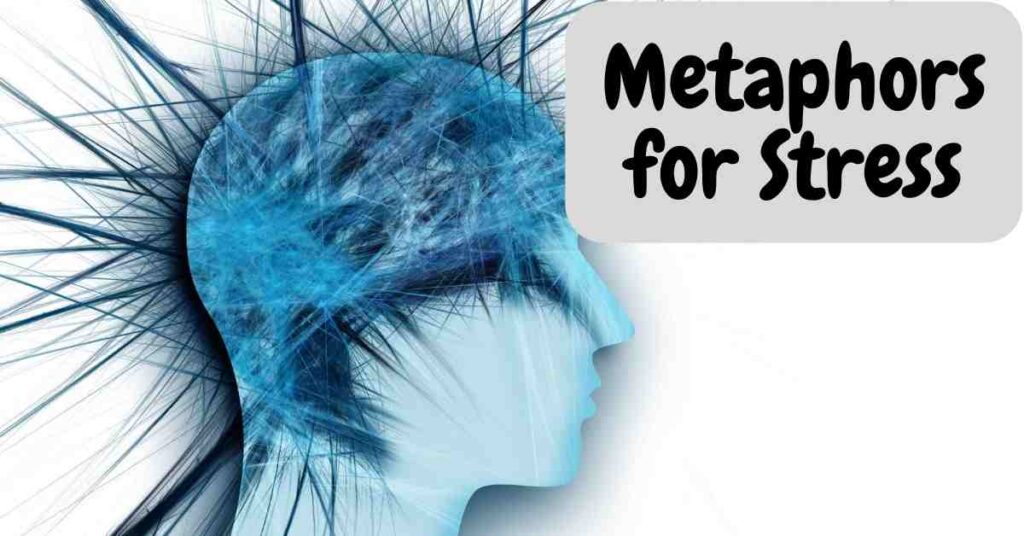

Stress is a pervasive aspect of modern life, and understanding how we talk about it can offer insights into how we perceive and manage it. English, in particular, is rich with metaphors that describe stress, often drawing on physical or emotional experiences. This article will explore the various metaphors used to express stress, providing a comprehensive guide for English learners of all levels. By understanding these metaphors, learners can improve their comprehension, express themselves more effectively, and gain a deeper understanding of the cultural nuances associated with stress in the English language.
This guide is particularly useful for ESL/EFL students, business professionals, and anyone interested in improving their English communication skills. It will help you recognize and use stress metaphors accurately, enhancing your ability to discuss and understand potentially challenging topics.
Table of Contents
- Introduction
- Definition of Stress Metaphors
- Structural Breakdown of Stress Metaphors
- Types of Stress Metaphors
- Examples of Stress Metaphors
- Usage Rules for Stress Metaphors
- Common Mistakes with Stress Metaphors
- Practice Exercises
- Advanced Topics in Stress Metaphors
- Frequently Asked Questions
- Conclusion
Definition of Stress Metaphors

A metaphor is a figure of speech that directly compares two unrelated things, asserting that one thing *is* another, or implies that they share similar characteristics. Stress metaphors apply this principle to the abstract concept of stress, using concrete, relatable concepts to describe the feeling of being stressed. They allow us to understand and communicate the subjective experience of stress in a more vivid and accessible way.
In the context of English grammar, stress metaphors function as nouns, verbs, adjectives, and adverbs, depending on the specific metaphor and how it’s used in a sentence. For example, “feeling weighed down” uses the verb “weighed down” metaphorically to describe the feeling of stress. The function of the metaphor is to provide a more descriptive and engaging way to express the feeling of stress. Using metaphors enables richer communication and helps others empathize with your experiences.
Stress metaphors are widely used in everyday conversation, literature, and professional settings. They help individuals articulate their feelings of overwhelm, pressure, and anxiety, making abstract emotions more tangible and understandable.
Structural Breakdown of Stress Metaphors
Stress metaphors often follow a basic structure that involves two key elements: the source domain and the target domain. The source domain is the concrete concept used to describe the abstract concept of stress (the target domain). Understanding this structure helps in both comprehending and using stress metaphors effectively.
For example, in the metaphor “I’m drowning in work,” the source domain is “drowning,” a physical sensation of being overwhelmed by water. The target domain is stress, specifically the feeling of being overwhelmed by work. The metaphor implies that the feeling of stress is as overwhelming and potentially dangerous as drowning.
The structure also includes the linguistic elements used to connect the source and target domains, typically verbs, adjectives, or nouns that create the metaphorical link. In the example above, the verb “drowning” is the critical link, conveying the intensity of the stress experience. By identifying these structural elements, learners can deconstruct and understand even complex metaphors.
Types of Stress Metaphors
Stress metaphors can be categorized into several types, each drawing on different source domains to describe the feeling of stress. Understanding these categories helps in recognizing and using a wider range of metaphors.
Physical Burden Metaphors
These metaphors describe stress as a physical weight or burden. They often involve verbs and nouns related to carrying, lifting, or being weighed down. These metaphors highlight the feeling of being overwhelmed and burdened by responsibilities or challenges.
Examples include: “I’m carrying the weight of the world on my shoulders,” “I feel weighed down by my responsibilities,” and “This project is a heavy load to bear.” These metaphors emphasize the physical toll that stress can take.
Emotional Pressure Metaphors
These metaphors describe stress as a form of emotional pressure, often involving verbs and nouns related to being crushed, squeezed, or under pressure. They highlight the feeling of being under immense pressure and struggling to cope.
Examples include: “I’m feeling the pressure to succeed,” “I’m under a lot of stress at work,” and “I feel crushed by the workload.” These metaphors emphasize the intense emotional strain associated with stress.
Container Metaphors
These metaphors describe stress in terms of containers that are either overflowing or about to burst. They often involve verbs and nouns related to filling, containing, and overflowing. These metaphors highlight the feeling of being unable to contain or manage stress.
Examples include: “I’m at my breaking point,” “I’m about to explode,” and “I’m filled with anxiety.” These metaphors emphasize the feeling of being overwhelmed and on the verge of collapse.
War Metaphors
These metaphors describe stress as a battle or conflict, often involving verbs and nouns related to fighting, defending, and being attacked. They highlight the feeling of being under attack and constantly fighting to survive.
Examples include: “I’m battling stress,” “I’m fighting to stay afloat,” and “I’m under attack from all sides.” These metaphors emphasize the aggressive and combative nature of stress.
Natural Disaster Metaphors
These metaphors describe stress as a natural disaster, such as a storm, earthquake, or flood. They often involve verbs and nouns related to destruction, chaos, and being overwhelmed. These metaphors highlight the feeling of being powerless in the face of stress.
Examples include: “I’m going through a storm,” “I’m swamped with work,” and “I feel like I’m drowning.” These metaphors emphasize the uncontrollable and destructive nature of stress.
Examples of Stress Metaphors
Below are several tables with examples of stress metaphors categorized by type. Each table includes numerous examples to illustrate the range and variety of these metaphors. Understanding these examples will help you recognize and use stress metaphors more effectively.
Physical Burden Metaphor Examples
The following table presents examples of physical burden metaphors, illustrating how stress is often described as a physical weight or burden.
| Metaphor | Explanation |
|---|---|
| I’m carrying the weight of the world on my shoulders. | Describes a feeling of immense responsibility and pressure. |
| I feel weighed down by my responsibilities. | Indicates feeling overwhelmed by numerous duties. |
| This project is a heavy load to bear. | Suggests the project is difficult and burdensome. |
| I’m burdened by expectations. | Implies feeling pressured by what others expect. |
| The stress is like a ton of bricks. | Compares stress to a very heavy weight. |
| I’m lugging around all this anxiety. | Suggests carrying anxiety as a physical burden. |
| I feel like I’m chained to my desk. | Indicates feeling trapped and burdened by work. |
| The pressure is crushing me. | Describes feeling overwhelmed and suffocated by stress. |
| I’m dragging myself through the day. | Suggests a struggle to get through the day due to stress. |
| My workload is a significant drag. | Implies that the workload is slowing down progress and causing fatigue. |
| I feel the weight of my job bearing down on me. | Expresses the feeling of being heavily burdened and oppressed by job responsibilities. |
| The responsibilities are a millstone around my neck. | Indicates that responsibilities are a heavy and constant burden. |
| I’m carrying the burden of leadership. | Suggests that leading others is a heavy and stressful responsibility. |
| I feel anchored to my duties. | Expresses the feeling of being heavily bound and restricted by obligations. |
| The stress is a heavy anchor. | Compares stress to a heavy weight that is holding one back. |
| I’m shouldering a lot of responsibility. | Implies taking on a significant amount of responsibility and bearing it. |
| The deadlines are a huge burden. | Indicates that the deadlines are a heavy and stressful obligation. |
| I’m weighed down by financial worries. | Expresses feeling burdened and anxious about financial issues. |
| The problems are a heavy weight on my heart. | Suggests that the problems are causing significant emotional distress. |
| I feel like Atlas holding up the world. | Compares oneself to the mythical figure Atlas, who carries the world on his shoulders, to emphasize the immense burden of responsibility. |
| I feel like I’m carrying the whole team. | Implies that one is bearing the majority of the workload and responsibility for the team’s success. |
| The expectation is a heavy mantle to wear. | Compares the burden of expectation to a heavy cloak, emphasizing the weight and formality of the pressure. |
| I’m feeling the full weight of my decisions. | Expresses the feeling of being heavily responsible for the consequences of one’s choices. |
| The stress is a lead weight in my stomach. | Compares stress to a heavy weight in the stomach, indicating physical discomfort and anxiety. |
Emotional Pressure Metaphor Examples
The following table presents examples of emotional pressure metaphors, illustrating how stress is often described as a form of emotional pressure.
| Metaphor | Explanation |
|---|---|
| I’m feeling the pressure to succeed. | Indicates feeling compelled to achieve success. |
| I’m under a lot of stress at work. | Expresses experiencing significant stress in the workplace. |
| I feel crushed by the workload. | Suggests being overwhelmed and suffocated by the amount of work. |
| I’m feeling squeezed from all sides. | Implies being pressured by multiple demands and expectations. |
| The tension is building up. | Indicates a growing sense of stress and anxiety. |
| I’m feeling the pinch of the deadline. | Suggests feeling the pressure and urgency of an approaching deadline. |
| I’m under the gun to perform. | Implies being under intense pressure to meet expectations. |
| The expectations are suffocating me. | Describes feeling overwhelmed and restricted by expectations. |
| I’m feeling the heat. | Indicates experiencing intense pressure or scrutiny. |
| I’m feeling the screws tightening. | Suggests that the pressure is gradually increasing. |
| The pressure is mounting. | Indicates that the stress is gradually increasing. |
| I’m feeling the strain of the situation. | Expresses the feeling of being stretched and stressed by the circumstances. |
| I’m feeling the squeeze of the budget cuts. | Suggests being pressured by financial constraints and limitations. |
| The demands are pressing down on me. | Implies that the demands are causing significant stress and pressure. |
| I’m feeling the vice grip of anxiety. | Compares anxiety to a tight and constricting grip, emphasizing the intensity of the feeling. |
| The weight of expectation is immense. | Indicates that the pressure from expectations is overwhelming. |
| I’m feeling the full force of the criticism. | Expresses the feeling of being strongly impacted by negative feedback. |
| The stress is a constant pressure cooker. | Compares stress to a pressure cooker, indicating constant and intense pressure. |
| I’m feeling the weight of responsibility. | Expresses the feeling of being heavily responsible for outcomes. |
| I’m under a cloud of stress. | Suggests that stress is constantly present and looming. |
| I’m feeling the vice of expectation. | Compares expectation to a tight and constricting grip, emphasizing the intensity of the feeling. |
| The deadlines are a noose around my neck. | Indicates that the deadlines are a heavy and stressful obligation. |
| I’m feeling the pressure of the ticking clock. | Expresses feeling anxious about the limited time available. |
| The stress is a constant burden. | Compares stress to a heavy weight in the stomach, indicating physical discomfort and anxiety. |
| I feel like I’m in a pressure chamber. | Compares oneself to a chamber under immense pressure, to emphasize the immense stress. |
Container Metaphor Examples
The following table presents examples of container metaphors, illustrating how stress is often described in terms of containers that are either overflowing or about to burst.
| Metaphor | Explanation |
|---|---|
| I’m at my breaking point. | Indicates reaching the limit of one’s ability to cope. |
| I’m about to explode. | Suggests being on the verge of losing control due to stress. |
| I’m filled with anxiety. | Expresses being completely consumed by anxiety. |
| I’m overflowing with stress. | Implies having more stress than one can handle. |
| I’m reaching my limit. | Indicates approaching the point where one can no longer cope. |
| I’m close to the edge. | Suggests being near the point of emotional breakdown. |
| I’m running on fumes. | Implies operating with minimal energy due to stress. |
| I’m stretched to my limit. | Describes being strained to the maximum extent. |
| I’m reaching saturation point. | Indicates reaching a point where no more stress can be tolerated. |
| I’m boiling over with frustration. | Suggests being on the verge of losing control due to frustration. |
| I’m filled to the brim with stress. | Expresses being completely full of stress. |
| I’m at the end of my rope. | Indicates reaching the limit of one’s endurance. |
| I’m about to snap. | Suggests being on the verge of emotional breakdown. |
| I’m feeling bottled up with stress. | Implies suppressing stress and emotions. |
| I’m a ticking time bomb. | Compares oneself to a bomb about to explode, emphasizing the potential for an emotional outburst. |
| I’m bursting with anxiety. | Indicates being overwhelmed by anxiety. |
| I’m brimming with stress. | Expresses being full of stress and tension. |
| I’m at the boiling point. | Suggests being on the verge of losing control due to anger or frustration. |
| I’m running on empty. | Implies operating with no energy or resources left. |
| I’m feeling drained. | Expresses feeling completely depleted of energy. |
| I’m stewing in anxiety. | Suggests being on the verge of losing control due to anger or frustration. |
| I’m saturated with stress. | Implies operating with no energy or resources left. |
| I’m reaching my capacity. | Expresses feeling completely depleted of energy. |
| I’m full of worry. | Compares oneself to a bomb about to explode, emphasizing the potential for an emotional outburst. |
| I feel like I’m going to burst. | Indicates being overwhelmed by anxiety. |
Usage Rules for Stress Metaphors
Using stress metaphors effectively requires understanding certain usage rules. These rules ensure that the metaphors are used appropriately and convey the intended meaning accurately.
- Consistency: Maintain consistency in the type of metaphor used. Avoid mixing different types of metaphors within the same sentence or paragraph, as this can create confusion.
- Context: Consider the context in which the metaphor is used. Ensure that the metaphor is appropriate for the audience and the situation.
- Clarity: Use metaphors that are clear and easily understood. Avoid obscure or overly complex metaphors that may confuse the listener or reader.
- Intensity: Choose metaphors that accurately reflect the intensity of the stress being described. Use stronger metaphors for more severe stress and milder metaphors for less severe stress.
- Cultural Sensitivity: Be aware of cultural differences in the interpretation of metaphors. Some metaphors may have different meanings or connotations in different cultures.
Exception: Sometimes, mixing metaphors can be used intentionally for humorous or stylistic effect. However, this should be done carefully and deliberately to avoid confusion.
Common Mistakes with Stress Metaphors
Several common mistakes can occur when using stress metaphors. Being aware of these mistakes can help avoid miscommunication and ensure that the metaphors are used effectively.
| Mistake | Correct Example | Incorrect Example |
|---|---|---|
| Mixing metaphors inappropriately | “I’m feeling the pressure; I’m about to explode.” | “I’m carrying the weight of the world, and I’m about to explode.” |
| Using overly complex metaphors | “I’m feeling overwhelmed.” | “My internal fortitude is experiencing a cataclysmic meteorological event.” |
| Choosing metaphors that don’t match the intensity | “I’m drowning in work.” (for severe stress) | “I’m feeling a little damp.” (for severe stress) |
| Using culturally inappropriate metaphors | “I’m under a lot of stress.” (general) | Using a metaphor specific to a culture that the audience may not understand. |
| Using clichéd metaphors without variation | “I’m feeling overwhelmed.” | “I’m stressed out.” (overused cliché) |
Practice Exercises
These exercises will help you practice identifying and using stress metaphors correctly. Each exercise includes a set of questions and an answer key.
Exercise 1: Identifying Stress Metaphors
Identify the stress metaphor in each sentence and categorize it by type (Physical Burden, Emotional Pressure, Container, War, or Natural Disaster).
| Question | Answer |
|---|---|
| 1. I feel like I’m battling stress every day. | War Metaphor |
| 2. I’m carrying a heavy load at work. | Physical Burden Metaphor |
| 3. I’m about to explode with frustration. | Container Metaphor |
| 4. The pressure to succeed is crushing me. | Emotional Pressure Metaphor |
| 5. I’m swamped with deadlines. | Natural Disaster Metaphor |
| 6. I’m weighed down by responsibilities. | Physical Burden Metaphor |
| 7. I’m fighting to stay afloat. | War Metaphor |
| 8. I’m filled with anxiety. | Container Metaphor |
| 9. The expectations are suffocating me. | Emotional Pressure Metaphor |
| 10. I’m going through a storm right now. | Natural Disaster Metaphor |
Exercise 2: Using Stress Metaphors in Sentences
Complete each sentence with an appropriate stress metaphor.
| Question | Answer |
|---|---|
| 1. I’m so stressed; I feel like I’m _____. | drowning |
| 2. The workload is _____. | crushing me |
| 3. I’m at my _____. | breaking point |
| 4. I’m _____ the pressure to perform. | feeling |
| 5. The deadlines are a _____. | heavy burden |
| 6. I’m _____ with anxiety. | filled |
| 7. I feel like I’m _____ stress every day. | battling |
| 8. I’m _____ by responsibilities. | weighed down |
| 9. I’m about to _____. | explode |
| 10. I’m going through a _____. | storm |
Exercise 3: Correcting Incorrect Stress Metaphors
Identify and correct the incorrect stress metaphors in each sentence.
| Question | Corrected Answer |
|---|---|
| 1. I’m feeling a little damp with stress. | I’m drowning in stress. |
| 2. I’m carrying a light breeze of responsibility. | I’m carrying a heavy load of responsibility. |
| 3. I’m at my starting point. | I’m at my breaking point. |
| 4. I’m tasting the pressure to perform. | I’m feeling the pressure to perform. |
| 5. The deadlines are a soft pillow. | The deadlines are a heavy burden. |
| 6. I’m empty of anxiety. | I’m filled with anxiety. |
| 7. I feel like I’m dancing stress every day. | I feel like I’m battling stress every day. |
| 8. I’m lifted up by responsibilities. | I’m weighed down by responsibilities. |
| 9. I’m about to whisper. | I’m about to explode. |
| 10. I’m going through a sunny day. | I’m going through a storm. |
Advanced Topics in Stress Metaphors
Metaphors for stress help explain mental and emotional pressure in ways people can easily understand. Common similes and metaphors for stress compare it to heavy weight, tight spaces, or constant noise, making invisible feelings feel more real. For example, a simile for stress might describe it as “carrying a backpack full of stones,” while other expressions capture the sense of being constantly worried or mentally crowded. These metaphors are especially useful in writing and conversation because they turn complex emotions into clear, relatable images.
Different metaphors focus on specific stress-related experiences, such as metaphors for feeling trapped or a metaphor for being overwhelmed, which often describe pressure piling up with no escape. A metaphor for overthinking may compare the mind to a spinning wheel or a maze with no exit, while a metaphor for impatient feelings highlights inner tension and restlessness. Writers also use a metaphor for stress relief to show release and calm, such as letting go of a tight grip or watching a storm pass. Together, these metaphors help readers recognize, express, and better understand stress in everyday life.
For advanced learners, exploring the nuances and complexities of stress metaphors can provide a deeper understanding of their usage and impact. This includes analyzing the cultural and historical context of metaphors, as well as their role in shaping perceptions of stress.
Cultural Variations: Different cultures may use different metaphors to describe stress, reflecting varying cultural values and experiences. For example, some cultures may emphasize collective stress, while others focus on individual stress.
Historical Context: The use of stress metaphors has evolved over time, reflecting changing social and economic conditions. Analyzing the historical context of metaphors can provide insights into how perceptions of stress have changed.
Psychological Impact: Metaphors can influence how individuals perceive and cope with stress. Understanding the psychological impact of metaphors can help in developing more effective stress management strategies.
Frequently Asked Questions
- What is a stress metaphor?
A stress metaphor is a figure of speech that uses concrete concepts to describe the abstract feeling of stress. It helps make the subjective experience of stress more tangible and understandable.
- Why are stress metaphors important?
Stress metaphors are important because they allow us to communicate our feelings of stress more effectively. They also help others empathize with our experiences and understand the intensity of our stress.
- What are the different types of stress metaphors?
The main types of stress metaphors include Physical Burden metaphors (e.g., “I’m carrying the weight of the world”), Emotional Pressure metaphors (e.g., “I’m feeling the pressure to succeed”), Container metaphors (e.g., “I’m at my breaking point”), War metaphors (e.g., “I’m battling stress”), and Natural Disaster metaphors (e.g., “I’m going through a storm”).
- How can I use stress metaphors effectively?
To use stress metaphors effectively, maintain consistency in the type of metaphor, consider the context, use clear metaphors, choose metaphors that match the intensity of the stress, and be aware of cultural sensitivities.
- What are some common mistakes to avoid when using stress metaphors?
Common mistakes include mixing metaphors inappropriately, using overly complex metaphors, choosing metaphors that don’t match the intensity, using culturally inappropriate metaphors, and using clichéd metaphors without variation.
- How do cultural differences affect the use of stress metaphors?
Different cultures may use different metaphors to describe stress, reflecting varying cultural values and experiences. Some metaphors may have different meanings or connotations in different cultures, so it’s important to be aware of these differences.
- Can stress metaphors influence how I perceive stress?
Yes, metaphors can influence how individuals perceive and cope with stress. Understanding these influences can help in developing more effective stress management strategies.
- Are some stress metaphors more effective than others?
The effectiveness of a stress metaphor depends on the context, the audience, and the specific situation. Some metaphors may resonate more strongly with certain individuals or groups than others.
Conclusion
Understanding stress metaphors is crucial for effective communication and comprehension in English. By recognizing the different types of metaphors and their usage rules, learners can express themselves more accurately and empathetically. This knowledge is particularly valuable for ESL/EFL students, business professionals, and anyone seeking to improve their English language skills.
Continue practicing the identification and usage of these metaphors to enhance your fluency and confidence. Remember to consider the context, audience, and intensity of the stress when choosing a metaphor. With consistent practice, you’ll be able to navigate conversations about stress with greater ease and understanding. Embrace the richness of the English language, and use these metaphors to articulate your experiences and connect with others on a deeper level.