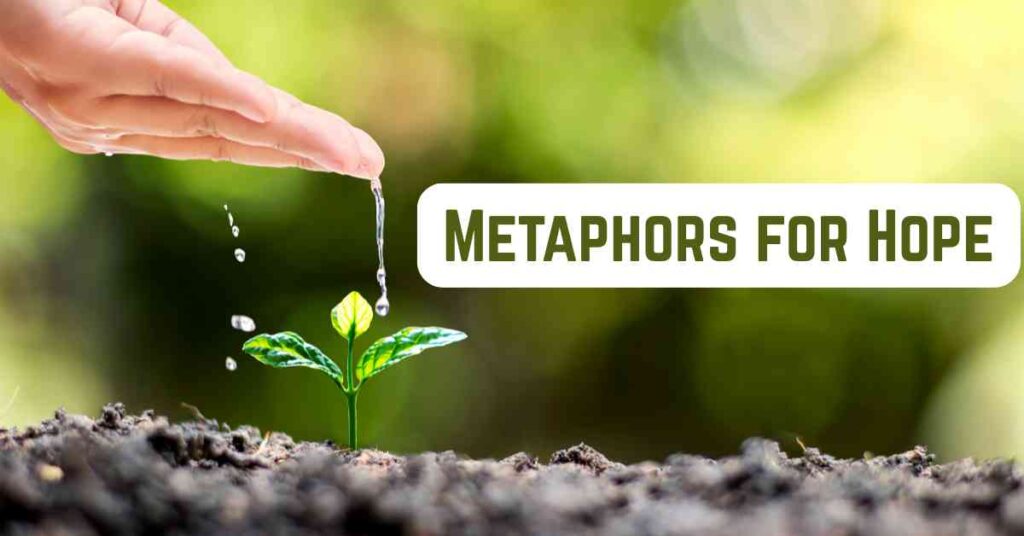

Hope is a powerful and universal human emotion, often expressed through vivid and evocative metaphors. Understanding these metaphors not only enriches our comprehension of English literature and everyday language but also deepens our appreciation of how hope shapes our thoughts and actions. This article explores the diverse landscape of metaphors for hope, providing a detailed analysis of their structure, usage, and impact. It is designed for English language learners, literature enthusiasts, and anyone seeking to enhance their understanding of figurative language.
This comprehensive guide will benefit students learning English, writers seeking to add depth to their prose, and readers wanting to better interpret literary works. By understanding these metaphors, you can unlock new layers of meaning in both written and spoken language. This article provides a structured approach to mastering this fascinating aspect of English grammar and expression.
Table of Contents
- Definition of Metaphors for Hope
- Structural Breakdown
- Types of Metaphors for Hope
- Examples of Metaphors for Hope
- Usage Rules
- Common Mistakes
- Practice Exercises
- Advanced Topics
- FAQ
- Conclusion
Definition of Metaphors for Hope
A metaphor is a figure of speech that directly compares two unrelated things, suggesting a likeness between them. Unlike similes, which use words like “like” or “as” to make a comparison, metaphors state that one thing *is* another. Metaphors for hope, therefore, use something concrete and understandable to represent the abstract concept of hope. These metaphors help us grasp the often-elusive feeling of hope by associating it with tangible, relatable images and experiences.
The function of metaphors for hope is multifaceted. They can inspire, comfort, and motivate. They can also provide a fresh perspective on challenging situations, making hope seem more attainable. By associating hope with something positive and familiar, these metaphors can strengthen our resolve and encourage us to persevere through difficult times. The power of these metaphors lies in their ability to tap into our emotions and shape our perceptions.
Metaphors for hope appear in various contexts, from literature and poetry to everyday conversations and motivational speeches. They are a fundamental part of how we express and understand the human experience. Recognizing and understanding these metaphors allows us to better appreciate the nuances of language and the depth of human emotion. Hope, being an abstract concept, often benefits from the concrete imagery that metaphors provide.
Structural Breakdown
The structure of a metaphor for hope typically involves two key elements: the tenor and the vehicle. The tenor is the subject being described (in this case, hope), and the vehicle is the object or concept used to represent the subject. The relationship between the tenor and vehicle creates the metaphorical meaning.
For example, in the metaphor “Hope is a beacon in the darkness,” the tenor is “hope,” and the vehicle is “a beacon.” The shared characteristic is the ability to provide guidance and light in a time of uncertainty. This shared characteristic is what makes the metaphor effective. The structure of the metaphor allows for a deeper understanding of the concept of hope by relating it to something tangible and easily understood.
Understanding the structural elements of metaphors allows for a more critical and analytical approach to language. By identifying the tenor and vehicle, we can better understand the intended meaning and the underlying message. This analytical skill is particularly useful in literary analysis and in understanding persuasive language used in various forms of communication.
Types of Metaphors for Hope
Metaphors for hope can be categorized based on the imagery they evoke. Here are some common types:
Light Metaphors
Light metaphors associate hope with brightness, illumination, and clarity. They often contrast hope with darkness, representing despair or uncertainty. These metaphors emphasize the guiding and illuminating nature of hope.
Journey Metaphors
Journey metaphors depict hope as a path, a voyage, or a destination. They emphasize the forward-moving and progressive nature of hope, often suggesting that perseverance will lead to a positive outcome. These metaphors highlight the importance of staying on course and continuing to strive towards a better future.
Growth Metaphors
Growth metaphors portray hope as a seed, a plant, or a flower. They emphasize the potential for development and flourishing. These metaphors highlight the nurturing and patient nature of hope, suggesting that with care and attention, it can grow into something beautiful and strong.
Weather Metaphors
Weather metaphors use elements like sunshine, rainbows, or calm seas to represent hope. They often contrast hope with storms, clouds, or rough waters, signifying challenges or adversity. These metaphors underscore the cyclical nature of life and the promise of better times ahead.
Treasure Metaphors
Treasure metaphors depict hope as something valuable, precious, and worth pursuing. They emphasize the rewarding and fulfilling nature of hope, suggesting that it is a valuable asset in navigating life’s challenges. These metaphors highlight the importance of cherishing and protecting hope.
Examples of Metaphors for Hope
Below are examples of metaphors for hope, categorized by type. Each example illustrates how different images and concepts can be used to represent the feeling of hope.
Table 1: Light Metaphors for Hope
| Metaphor | Explanation |
|---|---|
| Hope is a beacon in the darkness. | Hope provides guidance and clarity when things are uncertain. |
| Hope is a ray of sunshine on a cloudy day. | Hope brings warmth and positivity during difficult times. |
| Hope is the light at the end of the tunnel. | Hope signals the end of a challenging period. |
| Hope is a spark that ignites the soul. | Hope inspires and motivates us to take action. |
| Hope is a guiding star. | Hope directs us towards our goals and aspirations. |
| Her hope shone brightly in her eyes. | Her hope was visible and radiant. |
| Hope illuminated his path forward. | Hope made his future seem clearer and more attainable. |
| Hope is the dawn after a long night. | Hope represents a new beginning after a period of hardship. |
| Hope is a flicker in the darkness. | Even a small amount of hope can make a difference. |
| The flame of hope burned within her. | Her hope was strong and unwavering. |
| Hope is a sunbeam breaking through the clouds. | Hope offers a moment of joy amidst sadness. |
| Hope is the candle that never goes out. | Hope is persistent and enduring. |
| Hope is a lighthouse guiding ships to safety. | Hope provides direction and security. |
| Hope is a star in the night sky. | Hope is a constant presence, even when things are dark. |
| Hope is a floodlight, piercing through the fog. | Hope clarifies and reveals the path forward. |
| Hope is the morning star, heralding a new day. | Hope signifies a fresh start and new opportunities. |
| Hope is a lantern in the storm. | Hope provides comfort and safety during difficult times. |
| Hope is a spotlight, illuminating the stage of life. | Hope brings focus and clarity to our goals. |
| Hope is a beacon, signaling rescue in the distance. | Hope indicates that help is on the way. |
| Hope is the sun after a long winter. | Hope signifies warmth and renewal after a period of hardship. |
| Hope is a flash of lightning that illuminates the path. | Hope provides sudden clarity and direction. |
| Hope is a spotlight, guiding the way through uncertainty. | Hope offers focus and direction in times of confusion. |
This table illustrates how hope is often associated with light to signify guidance, clarity, and positivity during challenging times.
Table 2: Journey Metaphors for Hope
| Metaphor | Explanation |
|---|---|
| Hope is a journey, not a destination. | Hope is about the process of striving towards something better. |
| Hope is the road that leads to happiness. | Hope guides us towards a fulfilling life. |
| Hope is a bridge over troubled waters. | Hope helps us overcome challenges and obstacles. |
| Hope is the compass that guides our way. | Hope provides direction and purpose in life. |
| Hope is the map to a better future. | Hope shows us the path to a more desirable outcome. |
| He sailed on the sea of hope. | He pursued his dreams with optimism and determination. |
| Her hope carried her over the mountains of despair. | Her hope helped her overcome significant challenges. |
| Hope is a staircase leading to success. | Hope represents the steps we take to achieve our goals. |
| Hope is a path through the wilderness. | Hope guides us through difficult and uncertain times. |
| The road of hope is never easy. | Pursuing hope often involves challenges and sacrifices. |
| Hope is the train that takes us to our dreams. | Hope is the vehicle that carries us towards our aspirations. |
| Hope is the bridge that connects us to our future. | Hope provides a link between our present and our desired future. |
| Hope is the voyage to a new beginning. | Hope represents the journey towards a fresh start. |
| Hope is a flight of stairs leading upwards. | Hope signifies progress and advancement. |
| Hope is a trail through the dark forest. | Hope guides us through challenging and uncertain situations. |
| Hope is a ladder to reach the stars. | Hope allows us to achieve ambitious goals. |
| Hope is the vehicle driving us toward our dreams. | Hope propels us forward in the pursuit of our aspirations. |
| Hope is the ship sailing towards a brighter horizon. | Hope carries us towards a more promising future. |
| Hope is the road that leads to the promised land. | Hope guides us to a place of fulfillment and happiness. |
| Hope is the journey that makes us stronger. | The pursuit of hope builds resilience and character. |
| Hope is the bridge that spans the gap between dreams and reality. | Hope connects our aspirations with the possibility of achieving them. |
| Hope is the map that leads us out of the labyrinth of despair. | Hope provides direction and guidance in times of confusion and darkness. |
This table showcases how hope is portrayed as a journey, emphasizing progress, guidance, and overcoming obstacles to reach a better future.
Table 3: Growth Metaphors for Hope
| Metaphor | Explanation |
|---|---|
| Hope is a seed that grows into a tree. | Hope starts small but can develop into something significant. |
| Hope is a flower blooming in the desert. | Hope can thrive even in the most challenging circumstances. |
| Hope is the root that sustains us. | Hope provides a foundation of strength and resilience. |
| Hope is a bud waiting to blossom. | Hope holds the potential for future beauty and fulfillment. |
| Hope is the fertilizer that nourishes our dreams. | Hope provides the necessary support for our aspirations to grow. |
| Her hope blossomed like a spring flower. | Her hope grew quickly and beautifully. |
| Hope took root in his heart. | Hope became firmly established in his emotions. |
| Hope is a vine that climbs towards the light. | Hope grows and reaches for positive outcomes. |
| Hope is a sapling that needs nurturing. | Hope requires care and attention to develop. |
| The seeds of hope were planted in her mind. | Positive thoughts and beliefs were instilled in her. |
| Hope is the rain that helps our dreams grow. | Hope provides the nourishment needed for our aspirations to flourish. |
| Hope is the sunshine that helps our spirits bloom. | Hope brings warmth and positivity, allowing our spirits to thrive. |
| Hope is a garden that needs tending. | Hope requires continuous effort and care to maintain. |
| Hope is a small plant pushing through the concrete. | Hope can emerge even in the most difficult environments. |
| Hope is the fertile ground where dreams take root. | Hope provides the ideal conditions for aspirations to grow. |
| Hope is the lifeblood that sustains our growth. | Hope is essential for our personal development and well-being. |
| Hope is the bud that unfurls into a beautiful flower. | Hope has the potential to transform into something magnificent. |
| Hope is a tree whose roots run deep. | Hope provides a strong and resilient foundation. |
| Hope is the sun that nourishes the seeds of potential. | Hope provides the essential elements for future growth and development. |
| Hope is the gardener who cultivates our inner landscape. | Hope nurtures and cares for our emotional and mental well-being. |
| Hope is the fertile soil where dreams are sown. | Hope provides the ideal environment for aspirations to germinate and grow. |
| Hope is the seed of resilience, planted deep within our souls. | Hope represents the potential for strength and perseverance in the face of adversity. |
This table illustrates how hope is often depicted as a form of growth, emphasizing potential, resilience, and the need for nurturing.
Table 4: Weather Metaphors for Hope
| Metaphor | Explanation |
|---|---|
| Hope is the calm after the storm. | Hope represents peace and tranquility after a period of turmoil. |
| Hope is a rainbow after the rain. | Hope brings beauty and positivity after difficult times. |
| Hope is a gentle breeze on a hot day. | Hope provides relief and comfort during challenging situations. |
| Hope is the sunshine that melts the snow. | Hope has the power to overcome obstacles and hardships. |
| Hope is the clear sky after a hurricane. | Hope signifies a return to normalcy and stability after a disaster. |
| The storm of despair was replaced by the sunshine of hope. | A period of sadness was followed by a feeling of optimism. |
| Her hope was a warm front moving in. | Her hope brought a positive change to a difficult situation. |
| Hope is a break in the clouds. | Hope offers a moment of clarity and optimism. |
| Hope is the spring thaw after a long winter. | Hope signifies renewal and new beginnings. |
| The winds of hope carried her forward. | Positive influences propelled her towards her goals. |
| Hope is the gentle rain that nourishes the earth. | Hope sustains and revitalizes us during difficult times. |
| Hope is the rainbow that bridges the gap between earth and sky. | Hope connects our present reality with our aspirations. |
| Hope is the calm sea after a turbulent storm. | Hope represents peace and serenity after a period of chaos. |
| Hope is the sunrise that chases away the darkness. | Hope brings light and positivity, dispelling feelings of despair. |
| Hope is the gentle breeze that whispers promises of better days. | Hope offers comfort and reassurance during challenging times. |
| Hope is the clear sky that follows a torrential downpour. | Hope signifies a return to clarity and stability after a period of difficulty. |
| Hope is the warm sunshine that melts away the ice of despair. | Hope has the power to overcome negativity and bring warmth to our lives. |
| Hope is the rainbow that arches over the horizon, promising a new beginning. | Hope signifies the potential for a fresh start and positive outcomes. |
| Hope is the gentle rain that washes away the dust of disappointment. | Hope cleanses and renews us, helping us to move forward from setbacks. |
| Hope is the calm after the storm, a moment of peace amid the chaos. | Hope provides a sense of tranquility and stability following a period of turmoil. |
This table demonstrates how weather metaphors illustrate hope as a force that brings tranquility and positivity, often following periods of difficulty or turmoil.
Table 5: Treasure Metaphors for Hope
| Metaphor | Explanation |
|---|---|
| Hope is a priceless gem. | Hope is extremely valuable and worth cherishing. |
| Hope is a hidden treasure. | Hope may be difficult to find but is worth the effort. |
| Hope is a pot of gold at the end of the rainbow. | Hope represents a reward or positive outcome after a long journey. |
| Hope is a valuable asset. | Hope is a resource that can help us overcome challenges. |
| Hope is the key to a brighter future. | Hope unlocks opportunities and possibilities. |
| His hope was a hoard of gold. | His hope was abundant and precious. |
| Hope is the crown jewel of the soul. | Hope is the most valuable and cherished aspect of our inner selves. |
| Hope is a rare and precious coin. | Hope is valuable and should be carefully protected. |
| Hope is the elixir of life. | Hope is essential for vitality and well-being. |
| The treasure of hope sustained them. | Their hope provided them with strength and resilience. |
| Hope is the gold that lines the path to success. | Hope makes the journey to achievement more valuable and rewarding. |
| Hope is the diamond that shines in the darkness. | Hope provides clarity and brilliance in challenging times. |
| Hope is the pearl of great price. | Hope is extremely valuable and worth sacrificing for. |
| Hope is the rare artifact that unlocks the secrets of the future. | Hope provides insight and understanding, leading to positive outcomes. |
| Hope is the treasure map that guides us to our dreams. | Hope provides direction and purpose in the pursuit of our aspirations. |
| Hope is the golden key that unlocks the door to opportunity. | Hope opens up possibilities and allows us to achieve our goals. |
| Hope is the priceless gem that adorns the crown of life. | Hope enhances the value and beauty of our existence. |
| Hope is the hidden treasure that awaits discovery within our hearts. | Hope is a valuable resource that we can find within ourselves. |
| Hope is the pot of gold at the end of the rainbow, a symbol of promise and reward. | Hope represents the potential for positive outcomes and fulfillment after a challenging journey. |
| Hope is the invaluable asset that sustains us through life’s trials and tribulations. | Hope provides strength, resilience, and the will to persevere in the face of adversity. |
This table illustrates how treasure metaphors depict hope as something valuable, precious, and essential for navigating life’s challenges and achieving fulfillment.
Usage Rules
When using metaphors for hope, it’s important to ensure that the comparison is clear and relevant. The vehicle should resonate with the audience and effectively convey the intended meaning. Avoid using clichéd metaphors, as they can lack impact and originality. Instead, strive to create fresh and imaginative comparisons that capture the essence of hope in a unique way.
Consistency is also crucial. Once you establish a metaphorical framework, maintain it throughout your writing. Mixing metaphors can create confusion and weaken your message. For example, if you start by describing hope as a light, avoid switching to a journey metaphor without a clear transition.
Consider the context in which you are using the metaphor. The appropriateness of a metaphor can depend on the audience, the tone of the writing, and the overall message. A metaphor that works well in a poem might not be suitable for a formal essay. Tailor your metaphors to suit the specific situation and purpose.
Common Mistakes
One common mistake is using mixed metaphors, which occur when two or more inconsistent metaphors are combined. For example: “Hope is a beacon that needs to take root.” This sentence combines a light metaphor with a growth metaphor, creating a confusing image.
Another mistake is using clichéd metaphors, which are overused and lack originality. Examples include: “Hope is the light at the end of the tunnel” or “Hope springs eternal.” While these metaphors are understandable, they don’t offer a fresh perspective or create a strong impact.
Finally, some writers use metaphors that are unclear or irrelevant. The comparison should be easily understood and logically connected to the concept of hope. Avoid using obscure or abstract images that don’t resonate with the audience.
Here are some examples of common mistakes and corrections:
| Incorrect | Correct | Explanation |
|---|---|---|
| Hope is a light at the end of the tunnel that needs to be nurtured. | Hope is a light at the end of the tunnel. / Hope is a seed that needs to be nurtured. | Avoid mixing metaphors. Choose one consistent image. |
| Hope springs eternal, so we must climb that staircase. | Hope springs eternal. / We must climb that staircase to success. | Avoid using clichés and ensure metaphors are relevant. |
| Hope is a quantum entanglement of possibilities. | Hope is a possibility that inspires us. | Ensure the metaphor is clear and easily understood. |
Practice Exercises
Test your understanding of metaphors for hope with the following exercises.
Exercise 1: Identifying Metaphors
Identify the metaphors for hope in the following sentences:
| Question | Answer |
|---|---|
| 1. Hope is the anchor that keeps us grounded. | Anchor |
| 2. The seeds of hope were planted in her heart. | Seeds |
| 3. Hope is the bridge that spans the chasm of despair. | Bridge |
| 4. Hope is the sun that melts away the ice of winter. | Sun |
| 5. Hope is a compass guiding us through the storm. | Compass |
| 6. In the darkness, hope was a flickering candle. | Candle |
| 7. Hope is a flower blooming in the desert of his soul. | Flower |
| 8. Hope is the key that unlocks the door to a brighter future. | Key |
| 9. Hope is a gentle rain that washes away our tears. | Rain |
| 10. Hope is the north star, always guiding us home. | North Star |
Exercise 2: Completing Metaphors
Complete the following metaphors for hope:
| Question | Answer |
|---|---|
| 1. Hope is like a ________ in the darkness. | Beacon (or similar) |
| 2. Hope is a ________ that helps us grow. | Seed (or similar) |
| 3. Hope is a ________ over troubled waters. | Bridge (or similar) |
| 4. Hope is a ________ after the rain. | Rainbow (or similar) |
| 5. Hope is a ________ guiding our way. | Compass (or similar) |
| 6. Hope is like a ________ on a cold day. | Sun (or similar) |
| 7. Hope is a ________ waiting to bloom. | Bud (or similar) |
| 8. Hope is the ________ to a brighter future. | Key (or similar) |
| 9. Hope is the ________ after the storm. | Calm (or similar) |
| 10. Hope is a ________ that keeps us afloat. | Lifeboat (or similar) |
Exercise 3: Creating Metaphors
Create your own metaphors for hope using the following prompts:
| Prompt | Example Answer |
|---|---|
| 1. Hope is like a journey because… | Hope is like a journey because it requires perseverance and leads to new discoveries. |
| 2. Hope is like a light because… | Hope is like a light because it guides us through darkness and illuminates our path. |
| 3. Hope is like a seed because… | Hope is like a seed because it holds the potential for growth and a brighter future. |
| 4. Hope is like a treasure because… | Hope is like a treasure because it is valuable and worth protecting. |
| 5. Hope is like a weather pattern because… | Hope is like the sun after a storm because it brings warmth and clarity. |
| 6. Hope is like a song because… | Hope is like a song because it can lift our spirits and inspire us to keep going. |
| 7. Hope is like a mountain because… | Hope is like a mountain because it can seem daunting to climb but offers a rewarding view from the top. |
| 8. Hope is like a river because… | Hope is like a river because it flows continuously, carrying us forward even when obstacles appear. |
| 9. Hope is like a shield because… | Hope is like a shield because it protects us from despair and gives us the strength to face challenges. |
| 10. Hope is like a book because… | Hope is like a book because each chapter offers new possibilities and lessons to be learned. |
Advanced Topics
For advanced learners, exploring the cultural and historical context of metaphors for hope can provide a deeper understanding of their significance. Different cultures may use different images and concepts to represent hope, reflecting their unique values and beliefs. For example, in some cultures, hope might be associated with religious symbols, while in others, it might be linked to nature or community.
Analyzing the use of metaphors for hope in literature and poetry can also offer valuable insights. Examining how authors use these metaphors to convey complex emotions and themes can enhance your appreciation of literary works. Consider how different authors use similar metaphors in unique ways, and how the choice of metaphor contributes to the overall meaning of the text.
Furthermore, exploring the psychological impact of metaphors for hope can be a fascinating area of study. Research suggests that metaphors can influence our thoughts, feelings, and behaviors. Understanding how metaphors shape our perceptions of hope can help us use them more effectively in our own lives and in our communication with others.
FAQ
Here are some frequently asked questions about metaphors for hope:
Q1: What is the difference between a metaphor and a simile?
A: A metaphor directly compares two unrelated things, stating that one thing *is* another (e.g., “Hope is a beacon”). A simile uses words like “like” or “as” to make a comparison (e.g., “Hope is like a beacon”).
Q2: Why are metaphors for hope so powerful?
A: Metaphors for hope are powerful because they connect the abstract concept of hope with tangible, relatable images and experiences. This makes hope seem more accessible and attainable, inspiring and motivating us.
Q3: How can I avoid using clichéd metaphors for hope?
A: To avoid using clichéd metaphors, try to think of fresh and original comparisons that capture the essence of hope in a unique way. Consider using personal experiences, observations, or cultural references to create more meaningful and impactful metaphors.
Q4: Can I use metaphors for hope in formal writing?
A: Yes, but use them judiciously. Ensure that the metaphors are appropriate for the tone and audience of your writing. Avoid using overly sentimental or flowery language in formal contexts. Choose metaphors that are clear, concise, and impactful.
Q5: How do I know if my metaphor for hope is effective?
A: An effective metaphor should resonate with your audience and clearly convey the intended meaning. Ask for feedback from others to see if they understand and appreciate the comparison you are making. If the metaphor evokes a positive emotional response and strengthens your message, it is likely effective.
Q6: Are there any cultures that don’t use metaphors for hope?
A: While the specific imagery and symbols may vary across cultures, the use of figurative language, including metaphors, to express abstract concepts like hope is a universal human phenomenon. The way hope is conceptualized and expressed through metaphors, however, can be heavily influenced by cultural values, beliefs, and historical experiences.
Q7: How can understanding metaphors for hope help me in my daily life?
A: Understanding metaphors for hope can enhance your communication skills, allowing you to express your thoughts and feelings more vividly and persuasively. It can also deepen your appreciation of literature and art, and provide you with a more nuanced understanding of the human experience. Furthermore, recognizing these metaphors can offer comfort and inspiration during challenging times, reminding you of the potential for a brighter future.
Q8: What are some examples of metaphors for hope in different cultures?
A: In some East Asian cultures, hope might be represented by the image of a lotus flower, symbolizing purity and rebirth. In African cultures, hope might be associated with the strength and resilience of a baobab tree. In Western cultures, as discussed throughout this article, hope is often linked to light, journeys, growth, weather, and treasure.
Conclusion
Metaphors for hope are powerful tools for expressing and understanding this essential human emotion. By understanding the different types of metaphors, their structural elements, and the rules governing their usage, you can enhance your communication skills and deepen your appreciation of language.