
Understanding metaphors is crucial for mastering the nuances of the English language. Metaphors for fire, in particular, offer a rich tapestry of imagery and emotional depth, allowing writers and speakers to convey complex ideas with vividness and impact. This article will explore the diverse ways fire is used metaphorically, examining its structural elements, various categories, usage rules, and common mistakes. Whether you’re an English language learner, a seasoned writer, or simply curious about the power of figurative language, this guide will equip you with the knowledge and tools to effectively use and interpret fire metaphors.
By delving into examples, practice exercises, and advanced topics, you’ll gain a deeper appreciation for the art of metaphorical expression and its capacity to enrich your communication. This comprehensive exploration will benefit anyone looking to enhance their vocabulary, improve their writing skills, or gain a more profound understanding of English literature and rhetoric. Prepare to ignite your linguistic abilities and set your words ablaze with creativity!

Table of Contents
- Introduction
- Definition of Metaphor and Fire Metaphors
- Structural Breakdown of Fire Metaphors
- Types of Fire Metaphors
- Examples of Fire Metaphors
- Usage Rules for Fire Metaphors
- Common Mistakes with Fire Metaphors
- Practice Exercises
- Advanced Topics in Fire Metaphors
- Frequently Asked Questions
- Conclusion
Definition of Metaphor and Fire Metaphors
A metaphor is a figure of speech that directly compares two unrelated things without using “like” or “as.” It asserts that one thing is another, creating a connection based on shared characteristics or qualities. Metaphors enrich language by adding layers of meaning and evoking vivid imagery.
Fire metaphors use the characteristics of fire – such as its heat, light, destructiveness, and transformative power – to describe other concepts or emotions. These metaphors can be incredibly powerful, as fire is a primal element with deep cultural and psychological associations. Fire metaphors can range from describing intense passion to expressing overwhelming anger or portraying catastrophic events.
In essence, a fire metaphor transfers the qualities of fire to something else, allowing us to understand and express complex ideas in a more relatable and impactful way. The effectiveness of a fire metaphor depends on the context, the specific qualities of fire being emphasized, and the audience’s understanding of fire’s symbolic meanings. For example, the phrase “a burning desire” uses fire to represent an intense yearning or longing.
Structural Breakdown of Fire Metaphors
Understanding the structure of fire metaphors involves identifying the tenor, the vehicle, and the ground. The tenor is the subject being described, the vehicle is the fire-related element used to describe it, and the ground is the shared characteristic or quality between the two.
For instance, in the metaphor “Her eyes were burning coals,” the tenor is “her eyes,” the vehicle is “burning coals,” and the ground is the intense, piercing gaze or emotion conveyed by the eyes. Analyzing these components helps to understand how the metaphor creates meaning and what aspects of fire are being emphasized.
The effectiveness of a fire metaphor also depends on the context in which it is used. The surrounding words and phrases can influence the interpretation of the metaphor and enhance its impact. A well-constructed fire metaphor should resonate with the audience and create a vivid and memorable image.
Types of Fire Metaphors
Fire metaphors can be categorized based on the specific aspects of fire they emphasize and the emotions or concepts they convey. Here are some common categories:
Passion and Desire
These metaphors use fire to represent intense love, longing, or enthusiasm. They often emphasize the heat and energy of fire, suggesting an overwhelming and consuming feeling. Examples include “a burning love,” “a fiery passion,” and “a heart ablaze with desire.”
Destruction and Chaos
Fire’s destructive power is used in these metaphors to depict devastating events, conflicts, or emotional turmoil. They highlight the uncontrolled and destructive nature of fire, conveying a sense of loss, destruction, and disorder. Examples include “a raging inferno of war,” “a wildfire of rumors,” and “his life went up in flames.”
Purification and Renewal
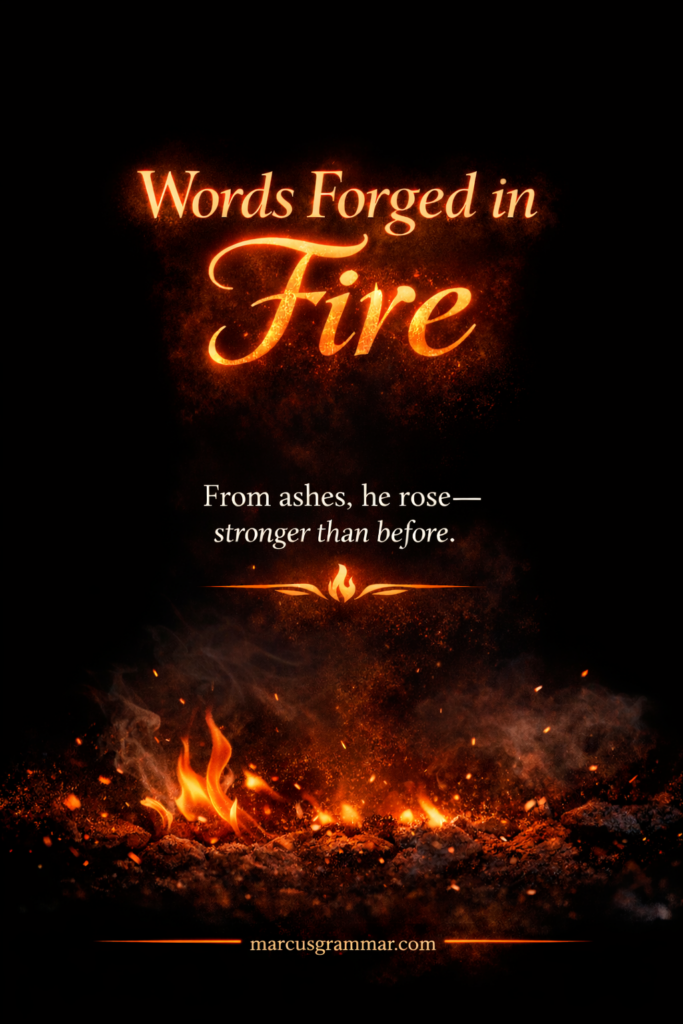
While fire can destroy, it can also purify and create new beginnings. These metaphors use fire to symbolize cleansing, transformation, and the removal of impurities. Examples include “forged in the fires of adversity,” “a trial by fire,” and “burning away the old to make way for the new.”
Energy and Inspiration
Fire is a source of energy and light, and these metaphors use it to represent creativity, motivation, and enlightenment. They emphasize the positive and empowering aspects of fire, suggesting a spark of innovation or a burst of energy. Examples include “a spark of genius,” “fueled by passion,” and “igniting the imagination.”
Anger and Rage
The intense heat and destructive potential of fire are used to depict anger, fury, and resentment. These metaphors convey a sense of uncontrolled emotion and potential for harm. Examples include “burning with anger,” “a fiery temper,” and “consumed by rage.”
Examples of Fire Metaphors
The following tables provide extensive examples of fire metaphors, categorized by their thematic focus. Each example illustrates how fire’s properties are used to convey different emotions, situations, or ideas.
The table below provides examples of fire metaphors related to passion and desire. These metaphors utilize the intense heat and consuming nature of fire to express deep feelings of love, longing, and enthusiasm.
| Metaphor | Explanation |
|---|---|
| A burning love | An intense and passionate love. |
| A fiery passion | A strong and intense enthusiasm or desire. |
| A heart ablaze with desire | A heart filled with overwhelming longing. |
| Her eyes were burning with love | Her eyes expressed deep affection. |
| His passion was a raging fire | His enthusiasm was uncontrollable. |
| The flame of their love never died | Their love remained strong over time. |
| Their romance ignited quickly | Their relationship started suddenly and passionately. |
| He carried a torch for her | He secretly loved her. |
| She fanned the flames of his desire | She encouraged his passion. |
| Their love was a slow burn | Their love developed gradually over time. |
| He was consumed by his passion | His passion dominated his life. |
| The embers of their love still glowed | Their love still existed in a subdued way. |
| Her touch set his soul on fire | Her touch aroused strong emotions in him. |
| His words were like fuel to the fire of her passion | His words intensified her feelings. |
| The burning desire to succeed drove him forward | His strong ambition motivated him. |
| Their fiery embraces told a story of unspoken passion | Their passionate physical contact revealed their feelings. |
| She had a burning curiosity to know the truth | She was intensely curious and eager to learn. |
| The stage was set for a fiery performance | The atmosphere was charged with excitement and anticipation. |
| He felt a burning need to protect her | He had a strong protective instinct towards her. |
| The heat of the moment ignited their passions | The intense situation sparked their feelings. |
| Her eyes held a spark of desire that could set the world ablaze | Her eyes expressed a powerful and overwhelming longing. |
| His ambition burned like a furnace, consuming all obstacles in its path | His strong ambition relentlessly overcame any challenges. |
The table below illustrates fire metaphors related to destruction and chaos. These examples use fire’s destructive force to depict turmoil, devastation, and uncontrolled situations.
| Metaphor | Explanation |
|---|---|
| A raging inferno of war | A destructive and chaotic war. |
| A wildfire of rumors | Rumors spreading quickly and uncontrollably. |
| His life went up in flames | His life was ruined or destroyed. |
| The company was consumed by scandal | The company was ruined by scandal. |
| Their relationship burned to ashes | Their relationship ended completely and destructively. |
| The city was engulfed in flames | The city was completely destroyed by fire. |
| His dreams were reduced to cinders | His dreams were completely destroyed. |
| The project was a complete meltdown | The project failed catastrophically. |
| Chaos erupted like a volcano | Chaos started suddenly and violently. |
| The market crashed and burned | The market experienced a severe and destructive downturn. |
| Her anger flared up | Her anger suddenly intensified. |
| The situation was a powder keg | The situation was volatile and ready to explode. |
| The argument escalated into a full-blown firestorm | The argument became intense and destructive. |
| His career imploded | His career collapsed suddenly and catastrophically. |
| The plan backfired spectacularly | The plan had disastrous and unexpected consequences. |
| The scandal threatened to incinerate the politician’s reputation | The scandal could completely destroy the politician’s reputation. |
| The floodwaters swept away everything in their path, leaving behind a scene of desolation and ruin | The flood caused widespread destruction and devastation. |
| The hurricane unleashed its fury upon the coastal town, leaving behind a trail of debris and destruction | The hurricane caused widespread damage and devastation. |
| The earthquake sent shockwaves through the city, toppling buildings and shattering lives | The earthquake caused widespread destruction and loss of life. |
| The tsunami surged inland, engulfing entire villages and leaving behind a landscape of devastation | The tsunami caused widespread destruction and loss of life. |
| The financial crisis triggered a chain reaction of bankruptcies and job losses, sending shockwaves through the global economy | The financial crisis caused widespread economic disruption and hardship. |
| The political turmoil ignited a wave of protests and demonstrations, plunging the country into chaos | The political instability led to widespread unrest and disorder. |
The following table showcases fire metaphors related to purification and renewal. These metaphors use fire to represent cleansing, transformation, and the process of removing impurities.
| Metaphor | Explanation |
|---|---|
| Forged in the fires of adversity | Strengthened and improved through difficult experiences. |
| A trial by fire | A difficult test or challenge that proves one’s abilities. |
| Burning away the old to make way for the new | Getting rid of old habits or ideas to allow for new ones. |
| Purified by the flames | Cleansed and made better through a difficult process. |
| Refined like gold in a furnace | Made better and more valuable through a process of refinement. |
| The ashes of the past | The remnants of past experiences that can be used to build a new future. |
| Reborn from the flames | Emerging stronger and better after a difficult experience. |
| The crucible of experience | A challenging situation that tests and transforms a person. |
| Burning bridges to the past | Ending relationships or connections to move forward. |
| Rising from the ashes like a phoenix | Overcoming adversity and achieving success after a setback. |
| Swept away the cobwebs of doubt | Eliminated feelings of uncertainty and hesitation. |
| Cut ties with toxic relationships | Ended harmful relationships. |
| Shed the skin of old habits | Got rid of outdated or negative habits. |
| Embraced the transformative power of change | Accepted and welcomed positive changes. |
| Left behind the baggage of the past | Released oneself from past burdens. |
| The experience was a forge, shaping her into a stronger person | The experience helped her develop resilience and inner strength. |
| He underwent a period of soul-searching, burning away the dross and revealing his true self | He engaged in introspection to eliminate negative aspects and discover his true identity. |
| The crisis served as a crucible, testing the team’s resilience and forging a stronger bond among them | The crisis challenged the team, strengthened their unity, and made them more resilient. |
| The artist sought to purify his art, stripping away the superfluous and revealing the essence of his vision | The artist aimed to refine his art by eliminating unnecessary elements and focusing on the core message. |
| The philosopher believed that suffering could be a catalyst for growth, burning away the ego and revealing the true self | The philosopher thought that suffering could lead to personal growth, helping to eliminate ego and reveal one’s true nature. |
| The old building was demolished to make way for a new, modern structure, symbolizing progress and renewal | The demolition of the old building represented the beginning of a new era, characterized by progress and modernization. |
| The forest fire cleared away the underbrush, allowing new seedlings to sprout and thrive, symbolizing nature’s cycle of renewal | The forest fire facilitated the growth of new plants by removing obstacles, illustrating the natural process of regeneration. |
The table below provides examples of fire metaphors related to energy and inspiration. These metaphors use fire’s light and power to represent creativity, motivation, and enlightenment.
| Metaphor | Explanation |
|---|---|
| A spark of genius | A sudden burst of creative insight. |
| Fueled by passion | Motivated by strong enthusiasm. |
| Igniting the imagination | Stimulating creativity and inspiration. |
| The fire of inspiration | A strong creative force. |
| Burning with ambition | Having a strong desire to achieve success. |
| A beacon of hope | A source of hope and guidance. |
| The flame of knowledge | The pursuit of learning and understanding. |
| A guiding light | A source of direction and inspiration. |
| The spark that started it all | The initial idea or event that led to something bigger. |
| A burst of energy | A sudden increase in enthusiasm and motivation. |
| Filled with zeal | Full of enthusiasm and passion. |
| Driven by purpose | Motivated by a clear and meaningful goal. |
| Inspired by a vision | Motivated by a compelling and inspiring idea. |
| Empowered by a mission | Strengthened and motivated by a clear objective. |
| Charged with excitement | Filled with anticipation and enthusiasm. |
| Her words ignited a fire in the hearts of the listeners | Her speech inspired and motivated the audience. |
| The artist’s creativity burned brightly, producing a masterpiece | The artist’s creative energy resulted in a remarkable work of art. |
| The entrepreneur’s vision sparked a revolution in the industry | The entrepreneur’s innovative idea led to significant changes in the industry. |
| The scientist’s curiosity fueled her relentless pursuit of knowledge | The scientist’s strong curiosity drove her to continue learning and exploring. |
| The athlete’s determination burned fiercely, propelling him to victory | The athlete’s unwavering resolve helped him achieve success. |
| The teacher’s passion for education ignited a love of learning in her students | The teacher’s enthusiasm inspired her students to embrace education. |
| The activist’s unwavering commitment to social justice fueled her tireless efforts to bring about change | The activist’s dedication motivated her to work towards creating a more just society. |
The table below illustrates fire metaphors related to anger and rage. These examples use fire’s heat and destructive potential to depict intense emotions of anger, fury, and resentment.
| Metaphor | Explanation |
|---|---|
| Burning with anger | Feeling intense anger. |
| A fiery temper | A tendency to become angry easily. |
| Consumed by rage | Overwhelmed by intense anger. |
| His blood boiled | He felt extreme anger. |
| She was seething with resentment | She felt intense bitterness and anger. |
| His anger flared up | His anger suddenly intensified. |
| He lost his cool | He became angry and lost control. |
| She flew off the handle | She became extremely angry. |
| He was livid with anger | He was extremely angry. |
| Her face was flushed with anger | Her face turned red due to anger. |
| He was spitting fire | He was expressing extreme anger. |
| His words were like daggers | His words were hurtful and angry. |
| He unleashed his fury | He expressed his anger in an uncontrolled way. |
| She was smoldering with resentment | She was feeling suppressed anger. |
| He was ready to explode | He was on the verge of becoming very angry. |
| His anger was a volcano waiting to erupt | His anger was building up and about to explode. |
| She was a powder keg ready to blow | She was easily provoked and about to become very angry. |
| His words were laced with venom | His words were full of bitterness and anger. |
| She was simmering with rage | She was feeling a low-level but intense anger. |
| He was seething inside | He was feeling intense anger that he was trying to suppress. |
| His eyes blazed with fury | His eyes expressed intense anger. |
| Her voice dripped with sarcasm and anger | Her tone of voice conveyed bitterness and resentment. |
Usage Rules for Fire Metaphors
Using fire metaphors effectively requires attention to several key rules:
- Context is crucial: Ensure the metaphor fits the overall tone and subject matter of your writing.
- Clarity: The connection between fire and the tenor should be clear and easily understood. Avoid overly obscure or confusing comparisons.
- Originality: While common fire metaphors can be effective, strive for originality to make your writing more engaging and memorable.
- Consistency: Avoid mixing metaphors or using conflicting imagery. Maintain a consistent tone and theme throughout your writing.
- Audience awareness: Consider your audience’s background and understanding when choosing and crafting fire metaphors.
It’s also important to avoid clichés and overused expressions. While phrases like “burning desire” are common, they can sometimes lack impact. Try to find fresh and creative ways to use fire metaphors to express your ideas.
Common Mistakes with Fire Metaphors
Several common mistakes can weaken the effectiveness of fire metaphors:
- Mixed metaphors: Combining fire imagery with unrelated metaphors can create confusion and weaken the overall impact. Incorrect: “He was a volcano of anger, but also a gentle breeze.” Correct: “He was a volcano of anger, ready to erupt.”
- Clichés: Overusing common fire metaphors can make your writing sound unoriginal and predictable. Incorrect: “She had a burning desire to succeed.” Correct: “Her ambition blazed like a furnace, driving her forward.”
- Lack of clarity: If the connection between fire and the tenor is unclear, the metaphor will fail to resonate with the audience. Incorrect: “The project was a bonfire.” (Unclear what aspect of a bonfire is being emphasized) Correct: “The project was a bonfire of wasted resources, consuming time and money without producing results.”
- Inconsistency: Shifting between different types of fire imagery without a clear purpose can create a disjointed effect. Incorrect: “His love was a burning flame, but also a cold ember.” Correct: “His love started as a burning flame, but over time, it dwindled to a cold ember.”
By avoiding these common mistakes, you can ensure that your fire metaphors are clear, effective, and impactful.
Practice Exercises
Test your understanding of fire metaphors with these exercises. Identify the type of fire metaphor used in each sentence and explain its meaning.
Exercise 1: Identify the type of fire metaphor and explain its meaning in each sentence.
| Sentence | Type of Fire Metaphor | Explanation |
|---|---|---|
| 1. Her words ignited a revolution. | ||
| 2. The scandal threatened to engulf the entire administration. | ||
| 3. He was forged in the fires of hardship. | ||
| 4. Their love was a slow burn. | ||
| 5. She was burning with curiosity. | ||
| 6. The wildfire of rumors spread rapidly through the town. | ||
| 7. His anger was a smoldering ember, threatening to burst into flames. | ||
| 8. The team’s performance was a complete meltdown. | ||
| 9. The artist’s creativity burned brightly, producing a masterpiece. | ||
| 10. He carried a torch for her, secretly admiring her from afar. |
Answer Key:
| Sentence | Type of Fire Metaphor | Explanation |
|---|---|---|
| 1. Her words ignited a revolution. | Energy and Inspiration | Her words sparked a significant change or movement. |
| 2. The scandal threatened to engulf the entire administration. | Destruction and Chaos | The scandal could completely destroy the administration. |
| 3. He was forged in the fires of hardship. | Purification and Renewal | He became stronger and more resilient through difficult experiences. |
| 4. Their love was a slow burn. | Passion and Desire | Their love developed gradually over time. |
| 5. She was burning with curiosity. | Passion and Desire | She was intensely curious and eager to learn. |
| 6. The wildfire of rumors spread rapidly through the town. | Destruction and Chaos | Rumors spread quickly and uncontrollably, causing damage. |
| 7. His anger was a smoldering ember, threatening to burst into flames. | Anger and Rage | His anger was suppressed but ready to explode. |
| 8. The team’s performance was a complete meltdown. | Destruction and Chaos | The team’s performance failed catastrophically. |
| 9. The artist’s creativity burned brightly, producing a masterpiece. | Energy and Inspiration | The artist’s creative energy resulted in a remarkable work of art. |
| 10. He carried a torch for her, secretly admiring her from afar. | Passion and Desire | He harbored a secret and unrequited love for her. |
Exercise 2: Fill in the blank with a suitable fire metaphor.
| Sentence | Answer |
|---|---|
| 1. The speaker’s passion ________ the audience. | |
| 2. After the argument, their friendship ________. | |
| 3. The athlete was ________ to win the championship. | |
| 4. The politician’s career ________ after the scandal. | |
| 5. The experience ________ her resolve. | |
| 6. The company’s new product ________ in the market. | |
| 7. His words ________ the debate. | |
| 8. The project ________ due to mismanagement. | |
| 9. Her determination ________ obstacles. | |
| 10. The team’s spirit ________ throughout the competition. |
Answer Key: (Possible answers)
| Sentence | Answer |
|---|---|
| 1. The speaker’s passion ________ the audience. | ignited |
| 2. After the argument, their friendship ________. | burned to ashes |
| 3. The athlete was ________ to win the championship. | burning with ambition |
| 4. The politician’s career ________ after the scandal. | went up in flames |
| 5. The experience ________ her resolve. | forged |
| 6. The company’s new product ________ in the market. | set the market ablaze |
| 7. His words ________ the debate. | fueled |
| 8. The project ________ due to mismanagement. | imploded |
| 9. Her determination ________ obstacles. | burned through |
| 10. The team’s spirit ________ throughout the competition. | burned brightly |
Advanced Topics in Fire Metaphors
Metaphors for fire are powerful tools in language, often used to represent strong emotions, energy, destruction, or passion. Writers frequently combine fire metaphors and similes to create vivid imagery, such as describing anger as a flame or ambition as a burning force. In many metaphor examples, fire symbolizes intensity and transformation, while similes for fire compare it to wild animals or unstoppable forces. These expressions help readers visualize abstract ideas and make writing more expressive and memorable.
Fire is also commonly used as a metaphor for struggle and influence, especially in discussions of conflict and rapid change. A fire as a metaphor for conflict highlights tension, chaos, or heated disagreement, while a metaphor for fire spreading often represents ideas, emotions, or violence moving quickly from one place to another. Writers also use personification for fire, giving it human traits like hunger or anger, to deepen emotional impact. Many traditional fire sayings and figurative expressions continue to appear in literature, speeches, and everyday language, showing how deeply fire metaphors are rooted in communication.
For advanced learners, exploring the use of fire metaphors in literature and rhetoric can provide deeper insights into their power and complexity. Analyzing how famous authors and speakers have used fire imagery can reveal subtle nuances and sophisticated techniques.
Consider the works of Shakespeare, who frequently used fire metaphors to explore themes of love, passion, and destruction. For example, in Romeo and Juliet, the fiery passion between the two protagonists is a central motif, driving the plot and shaping their tragic fate.
Another advanced topic is the cultural significance of fire metaphors. Different cultures may have different associations with fire, which can influence the interpretation and effectiveness of these metaphors. Understanding these cultural nuances can help you use fire metaphors more appropriately and sensitively.
Frequently Asked Questions
- What is the difference between a metaphor and a simile?
A metaphor directly compares two things, stating that one is the other, while a simile uses “like” or “as” to make a comparison. For example, “Her eyes were burning coals” is a metaphor, while “Her eyes were like burning coals” is a simile. Metaphors are generally considered more powerful and direct.
- How can I avoid using clichés when creating fire metaphors?
To avoid clichés, try to think of unique and unexpected ways to connect fire to the tenor you are describing. Focus on specific qualities of fire that are relevant to your subject, and experiment with different word choices and phrasing. Reading widely and exposing yourself to diverse writing styles can also help you develop a more original voice.
- What is the role of context in interpreting fire metaphors?
Context is crucial for understanding the intended meaning of a fire metaphor. The surrounding words, phrases, and the overall tone of the writing can provide clues about what aspects of fire are being emphasized and what emotions or ideas are being conveyed. Pay attention to the context to ensure you are interpreting the metaphor accurately.
- Can fire metaphors be used in all types of writing?
Fire metaphors can be used in various types of writing, including fiction, poetry, essays, and speeches. However, it’s important to consider the appropriateness of the metaphor for the specific genre and audience. In formal or academic writing, it may be necessary to use fire metaphors more sparingly and with greater precision.
- How do I know if a fire metaphor is effective?
An effective fire metaphor should be clear, impactful, and relevant to the subject matter. It should create a vivid image in the reader’s mind and enhance their understanding or appreciation of the ideas being conveyed. If the metaphor is confusing, cliché, or inconsistent, it may need to be revised.
- What are some common cultural associations with fire that might influence how a fire metaphor is understood?
Fire has various cultural associations. In some cultures, it symbolizes warmth, hearth, and home, while in others, it represents destruction, danger, or purification. Understanding these cultural nuances can help you anticipate how your audience might interpret your fire metaphors.
- How can I improve my ability to create effective fire metaphors?
Practice is key to improving your ability to create effective fire metaphors. Experiment with different word combinations, read widely, and analyze how other writers use fire imagery. Seek feedback from others and be willing to revise your metaphors based on their suggestions.
- Are there any negative connotations associated with fire metaphors that I should be aware of?
Yes, fire metaphors can have negative connotations, particularly when associated with destruction, anger, or uncontrolled passion. Be mindful of these potential negative associations and choose your fire metaphors carefully to avoid unintended consequences or misinterpretations. Ensure that the context and surrounding language clarify your intended meaning.
Conclusion
Mastering fire metaphors is a valuable skill for anyone seeking to enhance their communication abilities. By understanding the structural elements, various categories, usage rules, and common mistakes associated with these metaphors, you can effectively use them to add depth, imagery, and emotional impact to your writing and speaking. The power of fire imagery
can transform ordinary language into something extraordinary, captivating your audience and leaving a lasting impression. Embrace the challenge, experiment with different approaches, and let your words ignite with creativity and passion. The ability to wield fire metaphors effectively will undoubtedly enrich your linguistic toolkit and elevate your communication skills to new heights.