
Metaphors are powerful tools that enrich our language, allowing us to express complex ideas and emotions in vivid and imaginative ways. When it comes to describing our feline companions, metaphors can capture their unique personalities, quirks, and mysterious allure far beyond simple adjectives. Understanding metaphors for cats not only enhances your appreciation for their poetic potential but also sharpens your overall grasp of figurative language. This article will guide you through the world of feline metaphors, providing definitions, examples, usage rules, and practical exercises suitable for English learners of all levels. Whether you’re an aspiring writer or simply a cat lover, this exploration will deepen your understanding and appreciation of both language and our furry friends.
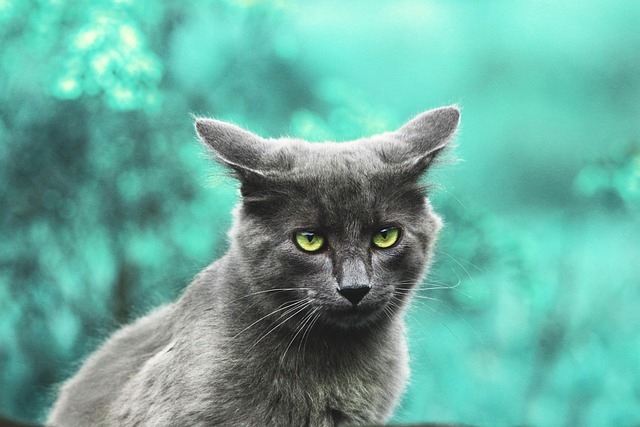
Table of Contents
- Introduction
- Definition of Metaphor
- Structural Breakdown of Metaphors
- Types of Cat Metaphors
- Examples of Metaphors for Cats
- Usage Rules for Metaphors
- Common Mistakes with Metaphors
- Practice Exercises
- Advanced Topics in Metaphor Usage
- Frequently Asked Questions
- Conclusion
Definition of Metaphor
A metaphor is a figure of speech that directly compares two unlike things without using “like” or “as.” It asserts that one thing is another, creating a connection based on shared qualities or characteristics. Unlike similes, which use explicit comparison words, metaphors imply the comparison, making them more evocative and impactful. Metaphors are fundamental to both literary and everyday language, allowing us to understand and describe the world in new and insightful ways.
In essence, a metaphor transfers qualities from one subject (the source) to another (the target). For example, saying “My cat is a furry alarm clock” implies that the cat shares the characteristic of waking someone up at a specific time with an alarm clock. The source (alarm clock) lends its attribute to the target (cat).
Metaphors function to:
- Create vivid imagery: They paint a picture in the reader’s mind.
- Explain complex ideas: They simplify abstract concepts by relating them to familiar things.
- Evoke emotions: They can create feelings through association and implication.
- Add depth and nuance: They enrich language beyond literal meaning.
Metaphors are used in various contexts, from poetry and literature to everyday conversation and advertising. Their effectiveness lies in their ability to surprise and enlighten, offering a fresh perspective on the subject at hand. Understanding metaphors is crucial for interpreting language and expressing oneself with creativity and precision.
Structural Breakdown of Metaphors
The structure of a metaphor can be broken down into two key components: the tenor and the vehicle. The tenor is the subject to which metaphorical attributes are ascribed (in our case, the cat). The vehicle is the object whose attributes are borrowed to describe the tenor. Understanding this distinction helps in analyzing and constructing effective metaphors.
Consider the metaphor: “The cat is a liquid shadow.”
- Tenor: The cat
- Vehicle: Liquid shadow
The connection between the tenor and vehicle is the ground of the metaphor. This is the shared characteristic or quality that makes the comparison meaningful. In the example above, the ground is the cat’s fluid movement and ability to blend into dark spaces, similar to how a liquid shadow flows and fills crevices.
A successful metaphor depends on a clear and relevant ground. If the connection between the tenor and vehicle is too weak or obscure, the metaphor may fall flat or be confusing. The strength of a metaphor also lies in its originality and unexpectedness. A fresh and insightful comparison can be more impactful than a cliché.
Here’s a table summarizing the structural elements of a metaphor:
| Element | Description | Example (Cat as a Liquid Shadow) |
|---|---|---|
| Tenor | The subject being described | The cat |
| Vehicle | The object whose attributes are borrowed | Liquid shadow |
| Ground | The shared characteristics between tenor and vehicle | Fluid movement, ability to blend into dark spaces |
Types of Cat Metaphors
Metaphors for cats can be categorized based on the aspect of the cat they describe. Here are four main categories:
Personality Metaphors
These metaphors describe the cat’s character, temperament, and disposition. They capture the cat’s unique personality traits, such as independence, curiosity, or affection. Examples include “a velvet dictator,” “a purring enigma,” or “a furry therapist.” These metaphors often rely on anthropomorphism, attributing human-like qualities to the cat.
Physical Appearance Metaphors
These metaphors focus on the cat’s physical attributes, such as its fur, eyes, or movements. They paint a vivid picture of the cat’s appearance, using comparisons to other objects or creatures. Examples include “a cloud of fur,” “emerald jewels,” or “a slinky spring.” These metaphors emphasize the visual and tactile qualities of the cat.
Behavioral Metaphors
These metaphors describe the cat’s actions, habits, and tendencies. They capture the cat’s characteristic behaviors, such as hunting, playing, or sleeping. Examples include “a tiny tiger,” “a gravity-defying acrobat,” or “a purring furnace.” These metaphors highlight the cat’s instinctive and learned behaviors.
Abstract Concept Metaphors
These metaphors use cats to represent abstract ideas or emotions. They leverage the cat’s symbolic associations to convey deeper meanings. Examples include “a symbol of independence,” “a guardian of the hearth,” or “a living embodiment of comfort.” These metaphors tap into the cultural and emotional significance of cats.
Examples of Metaphors for Cats
Here are some examples of metaphors for cats, organized by category:
Personality Examples
The following table provides examples of metaphors that describe a cat’s personality. Each metaphor aims to capture a specific aspect of the cat’s character, ranging from their independence to their affectionate nature.
| Metaphor | Explanation |
|---|---|
| A velvet dictator | Implies the cat rules the household with a soft but firm paw. |
| A purring enigma | Suggests the cat is mysterious and difficult to understand, despite its comforting purr. |
| A furry therapist | Highlights the cat’s ability to provide comfort and emotional support. |
| A tiny sphinx | Compares the cat to the ancient Egyptian monument, implying wisdom and inscrutability. |
| An independent spirit | Emphasizes the cat’s self-reliance and freedom. |
| A cuddly overlord | Suggests the cat demands affection but also maintains a position of dominance. |
| A four-legged shadow | Implies that the cat is always nearby, silently observing. |
| A playful imp | Highlights the cat’s mischievous and energetic nature. |
| A sleeping Buddha | Compares the cat to a serene and peaceful figure, emphasizing its calmness. |
| A demanding diva | Suggests the cat has high expectations and requires constant attention. |
| A gentle guardian | Implies the cat protects its owners and territory with a soft touch. |
| A curious explorer | Highlights the cat’s adventurous and inquisitive nature. |
| A loyal confidant | Suggests the cat is a trusted companion and listener. |
| A regal monarch | Compares the cat to a royal figure, emphasizing its dignity and poise. |
| A silent comedian | Implies the cat is amusing and entertaining without making a sound. |
| A warm blanket | Highlights the cat’s ability to provide comfort and warmth. |
| A feathered hunter | Implies that the cat is a skilled hunter, despite its soft appearance. |
| A watchful sentinel | Suggests the cat is always alert and observant. |
| A mischievous sprite | Highlights the cat’s playful and naughty nature. |
| A soothing melody | Compares the cat’s purr to calming music, emphasizing its relaxing effect. |
| A furry riddle | Implies that the cat is mysterious and difficult to understand. |
| A velvet paw | Suggests the cat is gentle but also capable of inflicting harm. |
| A purring engine | Highlights the cat’s constant and comforting purr. |
| A silent observer | Implies that the cat watches everything without revealing its thoughts. |
| A stealthy ninja | Suggests the cat is skilled at moving silently and undetected. |
Physical Appearance Examples
The following table provides examples of metaphors that describe a cat’s physical appearance. These metaphors focus on visual and tactile qualities, such as the cat’s fur, eyes, and movements.
| Metaphor | Explanation |
|---|---|
| A cloud of fur | Describes the cat’s soft and fluffy coat. |
| Emerald jewels | Compares the cat’s eyes to precious green gems. |
| A slinky spring | Highlights the cat’s flexible and agile movements. |
| A shadow with eyes | Emphasizes the cat’s dark fur and piercing gaze. |
| A velvet painting | Suggests the cat’s fur is smooth and luxurious. |
| A living sculpture | Compares the cat to a beautiful and graceful work of art. |
| A furry crescent moon | Describes the cat’s curved body when it’s curled up sleeping. |
| A liquid silhouette | Highlights the cat’s fluid and graceful movements. |
| A walking tapestry | Suggests the cat’s fur has intricate patterns and colors. |
| A miniature panther | Compares the cat to a sleek and powerful wildcat. |
| A ball of fluff | Describes the cat’s soft and round appearance. |
| A pair of golden orbs | Compares the cat’s eyes to shining golden spheres. |
| A silent waterfall | Highlights the cat’s smooth and flowing movements. |
| An ebony statue | Compares the cat’s black fur to a polished black sculpture. |
| A coiled serpent | Suggests the cat’s body is flexible and sinuous. |
| A living shadow | Emphasizes the cat’s ability to blend into dark spaces. |
| A furry loaf | Describes the cat’s shape when it’s sitting with its paws tucked in. |
| Sapphire pools | Compares the cat’s eyes to deep blue gems. |
| A flowing river | Highlights the cat’s graceful and continuous movements. |
| A bronze sculpture | Compares the cat’s fur to a metallic work of art. |
| A patch of moonlight | Describes the cat’s white or light-colored fur. |
| Amber beads | Compares the cat’s eyes to warm yellow gems. |
| A dancing flame | Highlights the cat’s quick and agile movements. |
| A living plush toy | Describes the cat’s soft and cuddly appearance. |
| A silver stream | Highlights the cat’s sleek and flowing movements. |
Behavioral Examples
The following table provides examples of metaphors that describe a cat’s behavior. These metaphors capture the cat’s actions, habits, and tendencies, such as hunting, playing, and sleeping.
| Metaphor | Explanation |
|---|---|
| A tiny tiger | Compares the cat’s hunting instincts to those of a wild tiger. |
| A gravity-defying acrobat | Highlights the cat’s ability to jump and climb with ease. |
| A purring furnace | Emphasizes the cat’s ability to generate warmth and comfort. |
| A feathered missile | Describes the cat’s swift and precise hunting movements. |
| A sleeping angel | Compares the cat’s peaceful slumber to that of a celestial being. |
| A playful whirlwind | Highlights the cat’s energetic and chaotic playfulness. |
| A silent hunter | Emphasizes the cat’s stealth and skill in hunting. |
| A furry alarm clock | Describes the cat’s habit of waking its owner at a specific time. |
| A kneading baker | Compares the cat’s kneading motion to a baker preparing dough. |
| A sunbeam chaser | Highlights the cat’s love of basking in sunlight. |
| A feathered dancer | Describes the cat’s graceful and agile movements. |
| A purring motor | Emphasizes the cat’s constant and comforting purr. |
| A shadow stalker | Highlights the cat’s stealthy and observant nature. |
| A gravity-defying leap | Describes the cat’s ability to jump to incredible heights. |
| A sleeping rock | Compares the cat’s deep sleep to the stillness of a stone. |
| A playful tornado | Highlights the cat’s energetic and destructive playfulness. |
| A silent observer | Emphasizes the cat’s watchful and mysterious nature. |
| A furry hot water bottle | Describes the cat’s ability to provide warmth and comfort. |
| A kneading artist | Compares the cat’s kneading motion to an artist creating a masterpiece. |
| A sunbeam magnet | Highlights the cat’s attraction to sunlight. |
| A feathered shadow | Describes the cat’s quiet and stealthy movements. |
| A purring generator | Emphasizes the cat’s constant and comforting purr. |
| A silent guardian | Highlights the cat’s protective and watchful nature. |
| A gravity-defying explorer | Describes the cat’s ability to climb and explore with ease. |
| A sleeping log | Compares the cat’s deep sleep to the stillness of a log. |
Usage Rules for Metaphors
Using metaphors effectively requires an understanding of certain rules and guidelines:
- Clarity: The connection between the tenor and vehicle should be clear and understandable. Avoid metaphors that are too obscure or confusing.
- Relevance: The shared characteristics between the tenor and vehicle should be relevant and meaningful. The comparison should enhance understanding and create a vivid image.
- Originality: Strive for originality and avoid clichés. Fresh and unexpected metaphors are more impactful and memorable.
- Consistency: Maintain consistency in the metaphor. Avoid mixing metaphors or shifting the comparison in a way that is confusing.
- Appropriateness: Choose metaphors that are appropriate for the context and audience. Consider the tone and style of the writing and select metaphors that fit the overall message.
A good metaphor should not only be creative but also contribute to the overall meaning and impact of the text. It should enhance the reader’s understanding and appreciation of the subject matter. Remember to consider the connotations and associations of the vehicle, as these can influence the reader’s interpretation of the metaphor.
Common Mistakes with Metaphors
Several common mistakes can undermine the effectiveness of metaphors:
- Mixed Metaphors: Combining two or more incompatible metaphors, creating a confusing or nonsensical image.
- Incorrect: “The cat’s purr was a velvet hammer, slicing through the silence.” (Combines softness with aggression.)
- Correct: “The cat’s purr was a velvet blanket, enveloping the room in warmth.”
- Clichés: Using overused and predictable metaphors that lack originality and impact.
- Incorrect: “The cat was as quiet as a mouse.” (Clichéd and uninspired.)
- Correct: “The cat moved like a whisper, barely disturbing the dust motes in the sunlit room.”
- Obscurity: Using metaphors that are too abstract or difficult to understand, leaving the reader confused.
- Incorrect: “The cat was a fractal of feline destiny.” (Too abstract and lacking a clear connection.)
- Correct: “The cat’s life was a tapestry of naps and playful pounces.”
- Inconsistency: Shifting the comparison within the metaphor, creating a confusing or contradictory image.
- Incorrect: “The cat was a furry alarm clock, but its meow was a gentle caress.” (Shifts from annoying to comforting.)
- Correct: “The cat was a furry alarm clock, demanding breakfast with insistent meows.”
Avoiding these mistakes will help you create more effective and impactful metaphors that enhance your writing and engage your audience.
Practice Exercises
Test your understanding of metaphors with these practice exercises:
Exercise 1: Identify the Metaphor
Identify the metaphor in each sentence and explain its meaning.
| Question | Answer |
|---|---|
| 1. The cat’s eyes were pools of liquid gold. | Metaphor: “pools of liquid gold.” Meaning: The cat’s eyes are bright yellow and reflective. |
| 2. The kitten was a tiny ball of mischief. | Metaphor: “ball of mischief.” Meaning: The kitten is playful and naughty. |
| 3. Her purr was the soundtrack to my relaxation. | Metaphor: “soundtrack to my relaxation.” Meaning: Her purr helped the person relax. |
| 4. The cat is a furry shadow in the night. | Metaphor: “furry shadow”. Meaning: The cat is dark and stealthy. |
| 5. My cat is a four-legged comedian. | Metaphor: “four-legged comedian”. Meaning: The cat is amusing and entertaining. |
| 6. The old tomcat was a street philosopher. | Metaphor: “street philosopher”. Meaning: The cat is wise and experienced. |
| 7. The cat’s meow was a velvet complaint. | Metaphor: “velvet complaint”. Meaning: The cat’s meow is soft but insistent. |
| 8. The cat is a coiled spring, ready to pounce. | Metaphor: “coiled spring”. Meaning: The cat is tense and ready to jump. |
| 9. The cat’s nap was a miniature hibernation. | Metaphor: “miniature hibernation”. Meaning: The cat’s nap was long and deep. |
| 10. The cat is a furry sunbeam on a cold day. | Metaphor: “furry sunbeam”. Meaning: The cat is warm and comforting. |
Exercise 2: Create a Metaphor
Create a metaphor for each of the following aspects of a cat:
| Aspect | Possible Metaphor |
|---|---|
| 1. A cat’s agility | A gravity-defying dancer |
| 2. A cat’s independence | A lone wolf with whiskers |
| 3. A cat’s curiosity | An explorer with fur |
| 4. A cat’s sleep | A peaceful meditation |
| 5. A cat’s hunting | A stealthy predator |
| 6. A cat’s affection | A warm hug |
| 7. A cat’s gaze | A piercing stare |
| 8. A cat’s fur | A velvet coat |
| 9. A cat’s purr | A comforting song |
| 10. A cat’s meow | A soft greeting |
Exercise 3: Correct the Mistake
Identify and correct the mistake in each of the following sentences:
| Question | Answer |
|---|---|
| 1. The cat was a sleeping volcano, but it purred like a chainsaw. | Mistake: Mixed metaphor. Correct: The cat was a sleeping volcano, rumbling with a low purr. |
| 2. The cat was as graceful as a cat. | Mistake: Cliché. Correct: The cat moved with the fluid grace of a dancer. |
| 3. The cat was a quantum entanglement of feline existence. | Mistake: Obscurity. Correct: The cat’s presence was a comforting mystery. |
| 4. The cat was a furry alarm clock, but its claws were sharp daggers. | Mistake: Inconsistency. Correct: The cat was a furry alarm clock, demanding attention with sharp claws. |
| 5. The cat was a fluffy cloud, and its meow was a crashing wave. | Mistake: Mixed metaphor. Correct: The cat was a fluffy cloud, drifting through the house. |
| 6. The cat was like a cat. | Mistake: Cliché. Correct: The cat was a furry enigma, always watching. |
| 7. The cat was a mathematical equation of feline grace. | Mistake: Obscurity. Correct: The cat was a symbol of elegance. |
| 8. The cat was a silent hunter, but its purr was a loud roar. | Mistake: Inconsistency. Correct: The cat was a silent hunter, but its purr was a soft rumble. |
| 9. The cat was a furry alarm clock but its fur was like silk. | Mistake: Mixed Metaphor. Correct: The cat was a furry alarm clock, waking everyone up with its gentle nudges. |
| 10. The cat was as sly as a fox. | Mistake: Cliché. Correct: The cat was a stealthy ninja, moving without a sound. |
Advanced Topics in Metaphor Usage
For advanced learners, consider these more complex aspects of metaphor usage:
- Extended Metaphors: Developing a single metaphor throughout an entire piece of writing, creating a sustained comparison that adds depth and complexity.
- Conceptual Metaphors: Understanding how metaphors shape our thinking and perception of abstract concepts, such as time, love, and death.
- Cognitive Linguistics: Exploring the role of metaphors in human cognition and language processing, including how they influence our understanding of the world.
- Literary Analysis: Analyzing the use of metaphors in literature to uncover deeper meanings and themes.
- Cross-Cultural Metaphors: Examining how metaphors vary across different cultures and languages, reflecting different values and perspectives.
Mastering these advanced topics will further enhance your understanding and appreciation of metaphors, allowing you to use them with greater skill and sophistication.
Frequently Asked Questions
Here are some frequently asked questions about metaphors:
- What is the difference between a metaphor and a simile?
A metaphor directly compares two unlike things without using “like” or “as,” while a simile uses “like” or “as” to make the comparison explicit. For example, “The cat is a shadow” (metaphor) vs. “The cat is like a shadow” (simile).
- How can I create more original metaphors?
To create original metaphors, try to think outside the box and consider unexpected connections between the tenor and vehicle. Use sensory details and vivid imagery to make the comparison more impactful. Also, read widely and pay attention to how other writers use metaphors effectively.
- What is a mixed metaphor, and how can I avoid it?
A mixed metaphor combines two or more incompatible metaphors, creating a confusing or nonsensical image. To avoid mixed metaphors, be careful to maintain consistency in your comparisons and avoid shifting the metaphor in a way that is illogical or contradictory.
- Why are metaphors important in writing?
Metaphors add depth, nuance, and creativity to writing. They can help to explain complex ideas, evoke emotions, and create vivid imagery. Metaphors also make writing more engaging and memorable for the reader.
- Can a metaphor be too abstract?
Yes, a metaphor can be too abstract if the connection between the tenor and vehicle is too obscure or difficult to understand. A good metaphor should be clear and relevant, enhancing the reader’s understanding rather than confusing them.
- How do metaphors contribute to understanding abstract concepts?
Metaphors help us understand abstract concepts by relating them to concrete or familiar things. For example, we might use the metaphor “time is money” to understand the value of time, or “love is a journey” to understand the complexities of relationships.
- Are there any cultural differences in the use of metaphors?
Yes, metaphors can vary across different cultures and languages, reflecting different values, beliefs, and perspectives. What might be a common metaphor in one culture could be unfamiliar or even offensive in another. It’s important to be aware of these cultural differences when using metaphors in cross-cultural communication.
- Why are some metaphors considered clichés?
Metaphors become clichés when they are overused and predictable. They lose their originality and impact, becoming stale and uninspired. To avoid using clichés, strive for fresh and unexpected comparisons that offer a new perspective on the subject matter.
Conclusion
Mastering metaphors for cats opens a gateway to richer, more expressive language. By understanding the structure, types, and usage rules of metaphors, you can effectively capture the unique qualities of our feline friends in vivid and memorable ways. From personality traits to physical appearances and quirky behaviors, metaphors allow us to paint a more complete and nuanced picture of cats, enhancing our appreciation for their enigmatic charm.
Remember to practice creating your own metaphors, paying attention to clarity, relevance, and originality. Avoid common mistakes like mixed metaphors and clichés, and strive to use metaphors that are appropriate for your audience and context. By honing your skills in metaphor usage, you can elevate your writing and communication, adding depth, creativity, and impact to your words. So go forth and unleash your inner wordsmith, transforming the ordinary into the extraordinary with the power of metaphor.