
Understanding metaphors for courage is crucial for enriching your English vocabulary and gaining a deeper appreciation for figurative language. Courage, an abstract concept, is often expressed through vivid and relatable metaphors. This article explores various metaphors for courage, their structural components, and how they enhance communication. Whether you’re an English language learner, a writer seeking to add depth to your prose, or simply curious about the nuances of language, this guide offers valuable insights and practical examples to master the art of using metaphors for courage.
This comprehensive guide will delve into the definition, types, usage, and common mistakes associated with metaphors for courage, providing a solid foundation for both understanding and effectively employing these powerful linguistic tools. Through extensive examples, practical exercises, and detailed explanations, you’ll gain the confidence to recognize and use metaphors for courage in various contexts.
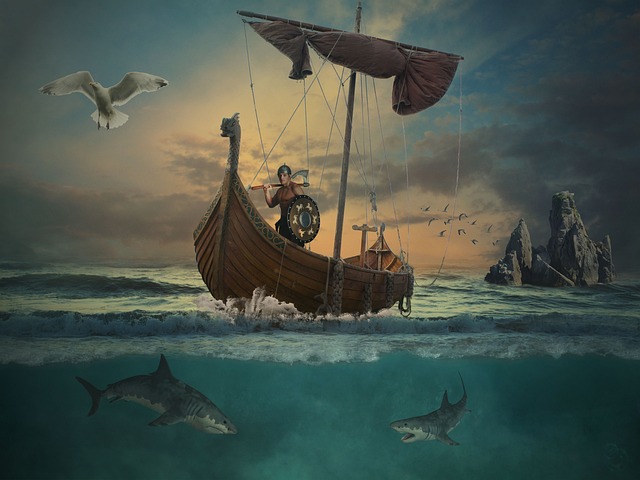
Table of Contents
- Introduction
- Definition of Metaphor for Courage
- Structural Breakdown of Metaphors for Courage
- Types and Categories of Metaphors for Courage
- Examples of Metaphors for Courage
- Usage Rules for Metaphors for Courage
- Common Mistakes with Metaphors for Courage
- Practice Exercises
- Advanced Topics in Metaphors
- Frequently Asked Questions
- Conclusion
Definition of Metaphor for Courage

A metaphor for courage is a figure of speech that describes courage by comparing it to something else that is generally considered strong, resilient, or brave. It does not use “like” or “as,” which would make it a simile. Instead, it directly equates courage to another object, concept, or entity.
Classification: Metaphors for courage fall under the broader category of figurative language and, more specifically, conceptual metaphors. Conceptual metaphors are fundamental to how we understand abstract concepts, mapping them onto more concrete domains. Courage, being an abstract emotional quality, is often understood through these mappings.
Function: The primary function of a metaphor for courage is to make the abstract quality of courage more understandable and relatable. By associating it with something tangible or universally recognized, the metaphor evokes a stronger emotional response and provides a clearer mental image. This enhances communication by making the message more vivid and impactful.
Contexts: Metaphors for courage are widely used in literature, poetry, speeches, everyday conversations, and various forms of media. They are particularly effective in inspiring audiences, conveying complex emotions, and adding depth to narratives. The specific context often influences the choice of metaphor, depending on the intended audience and the message being conveyed.
Structural Breakdown of Metaphors for Courage
Understanding the structure of a metaphor is essential for effectively using and interpreting them. A typical metaphor consists of two main elements: the tenor and the vehicle. The tenor is the subject being described (in this case, courage), and the vehicle is the object or concept to which the subject is being compared.
Tenor: Courage. This is the underlying subject or concept that the metaphor aims to describe. It’s the abstract quality being illuminated through comparison.
Vehicle: The object, concept, or entity used to represent courage. This could be a lion (representing bravery), a mountain (representing resilience), or a flame (representing passion and determination).
Ground: The shared characteristics or qualities between the tenor and the vehicle. For example, in the metaphor “He has the heart of a lion,” the ground is the shared quality of bravery and fearlessness.
Example: “Her courage was a shield against despair.”
- Tenor: Courage
- Vehicle: Shield
- Ground: Protection, defense, resilience
The effectiveness of a metaphor depends on the clarity and relevance of the ground. A well-chosen vehicle will resonate with the audience and effectively convey the intended meaning of courage.
Types and Categories of Metaphors for Courage
Metaphors for courage can be categorized based on the type of vehicle used. Here are some common categories:
Animal Metaphors
Animal metaphors draw parallels between courage and the perceived traits of certain animals. These are often based on cultural associations and stereotypes surrounding animal behavior.
Nature Metaphors
Nature metaphors use elements of the natural world to represent courage, emphasizing its resilience, strength, and enduring qualities. These metaphors often evoke a sense of grandeur and timelessness.
Physical Strength Metaphors
These metaphors equate courage with physical strength, resilience, and the ability to withstand pressure. They often highlight the internal fortitude required to face challenges.
Light and Darkness Metaphors
Light and darkness metaphors use the contrast between light and dark to symbolize courage as a beacon of hope in times of adversity. Light often represents clarity, hope, and guidance, while darkness represents fear and uncertainty.
Journey Metaphors
Journey metaphors portray courage as the driving force behind overcoming obstacles and persevering through difficult paths. They emphasize the challenges and rewards associated with facing adversity.
Fire Metaphors
Fire metaphors use the imagery of fire to represent courage as a burning passion, determination, and transformative force. Fire can symbolize both destruction and renewal, reflecting the dual nature of courage.
Examples of Metaphors for Courage
The following sections provide extensive examples of metaphors for courage, organized by category.
Animal Metaphor Examples
Animal metaphors are powerful tools for conveying courage through instantly recognizable traits. The following table offers a wide array of examples, each highlighting a different facet of bravery and resilience.
| Metaphor | Explanation |
|---|---|
| He has the heart of a lion. | Implies extraordinary bravery and fearlessness. |
| She fought with the tenacity of a bulldog. | Highlights unwavering determination and persistence. |
| His courage was as fierce as a tiger. | Represents aggressive and powerful bravery. |
| They stood their ground like a pack of wolves. | Suggests collective courage and solidarity. |
| Her spirit soared with the freedom of an eagle. | Symbolizes strength and independence in the face of adversity. |
| He was a bear in the face of danger. | Indicates immense strength and protective instincts. |
| She moved with the grace of a panther, despite her fear. | Highlights controlled and elegant courage. |
| His resolve was as unwavering as an ant carrying its load. | Symbolizes persistent and tireless effort. |
| They faced the challenge with the cunning of a fox. | Represents strategic and intelligent bravery. |
| Her courage was a beacon, like a mother bear protecting her cubs. | Indicates protective and fierce bravery. |
| He roared with the bravery of a lion. | Implies extraordinary bravery and fearlessness, emphasizing vocal expression. |
| She defended her beliefs with the ferocity of a wolf protecting its pack. | Highlights unwavering determination and protective instincts. |
| His courage was as sharp as an eagle’s talons. | Represents precise and effective bravery. |
| They stood firm, like a mountain goat on a cliff edge. | Suggests resilience and stability in dangerous situations. |
| Her spirit was as indomitable as a honey badger. | Symbolizes fearless and persistent determination. |
| He charged forward with the strength of a rhino. | Indicates immense power and unstoppable force. |
| She navigated the crisis with the agility of a cat. | Highlights adaptability and grace under pressure. |
| His persistence was as relentless as a beaver building a dam. | Symbolizes tireless effort and dedication. |
| They approached the situation with the wisdom of an owl. | Represents thoughtful and insightful courage. |
| Her courage was a shield, like a turtle’s shell. | Indicates protective and resilient bravery. |
| He climbed with the tenacity of a spider. | Implies persistent and unwavering determination. |
| She faced the storm with the resilience of a salmon swimming upstream. | Highlights strength and determination against strong resistance. |
| His courage was a guiding star, like a homing pigeon finding its way. | Represents unwavering direction and purpose. |
Nature Metaphor Examples
Nature provides a rich source of metaphors for courage, drawing on the resilience, strength, and beauty of the natural world. The following table illustrates how these metaphors can be used to convey different aspects of courage.
| Metaphor | Explanation |
|---|---|
| His courage was a mountain, unyielding and strong. | Implies steadfastness and resilience. |
| She was a sturdy oak, weathering every storm. | Represents enduring strength and resistance. |
| His spirit was a raging river, unstoppable in its course. | Highlights powerful and determined progress. |
| They stood tall like redwoods, rooted in their beliefs. | Suggests unwavering conviction and resilience. |
| Her courage bloomed like a desert flower, unexpected and beautiful. | Symbolizes resilience and beauty in harsh conditions. |
| He was a guiding star in the darkest night. | Indicates hope and direction in times of adversity. |
| She navigated the challenges like a seasoned sailor navigating treacherous waters. | Highlights skill and experience in overcoming obstacles. |
| His resolve was as solid as a rock. | Symbolizes unwavering determination and stability. |
| They faced the situation with the strength of a hurricane. | Represents immense power and force. |
| Her courage was a wellspring, never running dry. | Indicates a continuous and inexhaustible source of strength. |
| His courage was a sunbeam piercing through the clouds. | Implies hope and clarity in difficult situations. |
| She stood firm like an ancient tree, weathering the ages. | Represents enduring strength and resilience over time. |
| His spirit was a vast ocean, deep and unwavering. | Highlights depth of resolve and unwavering commitment. |
| They faced the storm with the resilience of a mountain range. | Suggests enduring strength and collective resistance. |
| Her courage was a fragile seedling pushing through concrete. | Symbolizes determination and overcoming obstacles. |
| He was a lighthouse, guiding others through darkness. | Indicates leadership and direction in times of uncertainty. |
| She adapted to the challenge like a river finding its course. | Highlights flexibility and resourcefulness in overcoming obstacles. |
| His determination was as steady as the North Star. | Symbolizes unwavering direction and purpose. |
| They confronted the crisis with the force of a volcanic eruption. | Represents sudden and overwhelming strength. |
| Her courage was a gentle breeze, bringing hope and calm. | Indicates subtle but powerful influence and comfort. |
| His courage was a sunrise, bringing a new day after darkness. | Implies renewal and hope after difficult times. |
| She was an unshakeable cliff, defying the crashing waves. | Represents steadfastness and resistance against adversity. |
| His spirit was a deep forest, full of hidden strength and resilience. | Highlights complex and enduring inner fortitude. |
Physical Strength Metaphor Examples
Metaphors drawing on physical strength emphasize the internal fortitude required to face challenges. These metaphors often highlight the ability to withstand pressure and overcome obstacles through sheer willpower.
| Metaphor | Explanation |
|---|---|
| His courage was an iron wall, impenetrable to fear. | Implies unwavering resolve and protection. |
| She had nerves of steel, unshaken by the pressure. | Represents strong and unwavering composure. |
| His will was a hammer, breaking down every obstacle. | Highlights forceful and determined action. |
| They stood like pillars, supporting each other through the crisis. | Suggests collective strength and unwavering support. |
| Her courage was a fortress, protecting her from despair. | Symbolizes resilience and inner strength. |
| He had a backbone of steel, never bending to pressure. | Indicates unwavering integrity and resolve. |
| She faced the challenge with the strength of a weightlifter. | Highlights immense physical and mental power. |
| His resolve was as unbreakable as a diamond. | Symbolizes unwavering determination and resilience. |
| They confronted the problem with the force of a battering ram. | Represents relentless and forceful action. |
| Her courage was a shield, deflecting every blow. | Indicates protection and resilience against adversity. |
| His courage was a steel cable, holding firm under tension. | Implies unwavering strength and reliability. |
| She possessed the stamina of a marathon runner, enduring to the end. | Represents perseverance and endurance over long periods. |
| His will was an anvil, shaping his destiny with each strike. | Highlights the power of determination to create one’s own future. |
| They stood as a bulwark, protecting the vulnerable from harm. | Suggests collective strength and protective action. |
| Her courage was a suit of armor, shielding her from fear and doubt. | Symbolizes resilience and protection against emotional distress. |
| He had the grip of a vise, holding on tight to his principles. | Indicates unwavering adherence to beliefs and values. |
| She navigated the crisis with the precision of a surgeon. | Highlights skill and accuracy in handling difficult situations. |
| His determination was as solid as concrete. | Symbolizes unwavering commitment and stability. |
| They attacked the problem with the force of a wrecking ball. | Represents overwhelming and destructive force. |
| Her courage was a harness, keeping her grounded and focused. | Indicates stability and direction in times of uncertainty. |
Light and Darkness Metaphor Examples
Light and darkness metaphors often portray courage as a beacon of hope in times of adversity. These metaphors can be particularly effective in conveying the transformative power of courage.
| Metaphor | Explanation |
|---|---|
| His courage was a lighthouse in the storm. | Implies guidance and hope in turbulent times. |
| Her spirit was a flame, refusing to be extinguished. | Represents unwavering passion and resilience. |
| His hope was a spark, igniting courage in others. | Highlights the contagious nature of bravery. |
| They were beacons of light in a dark world. | Suggests moral guidance and hope. |
| Her courage shone like a star in the night sky. | Symbolizes guidance and inspiration. |
| He was a ray of sunshine on a cloudy day. | Indicates positivity and hope in difficult circumstances. |
| She illuminated the path for others to follow. | Highlights leadership and guidance. |
| His resolve was a lamp, dispelling the darkness of doubt. | Symbolizes clarity and certainty. |
| They brought light to a situation shrouded in darkness. | Represents clarity and understanding. |
| Her courage was a torch, leading the way forward. | Indicates leadership and guidance. |
| His courage was a dawn, bringing hope after a long night. | Implies renewal and new beginnings after hardship. |
| Her spirit was a firefly, twinkling with resilience in the dark. | Represents small but significant acts of bravery. |
| His hope was a candle, flickering but never going out. | Highlights persistent and enduring optimism. |
| They were the sun, melting away the ice of fear. | Suggests warmth and the power to overcome obstacles. |
| Her courage was a constellation, guiding lost souls. | Symbolizes direction and inspiration for others. |
| He was a lantern, showing the way through the fog of uncertainty. | Indicates clarity and direction in confusing situations. |
| She shone brightly, a beacon of hope in a sea of despair. | Highlights unwavering positivity and inspiration. |
| His determination was a laser beam, cutting through obstacles with precision. | Symbolizes focus and the ability to overcome challenges. |
| They brought the sun into a room filled with shadows. | Represents joy and positivity in a somber environment. |
| Her courage was a sparkler, bringing joy and light to those around her. | Indicates happiness and inspiration for others. |
Journey Metaphor Examples
Journey metaphors portray courage as the driving force behind overcoming obstacles and persevering through difficult paths. These metaphors often emphasize the challenges and rewards associated with facing adversity.
| Metaphor | Explanation |
|---|---|
| His courage was the compass guiding him through uncharted waters. | Implies direction and purpose in unfamiliar situations. |
| She navigated the treacherous path with unwavering determination. | Represents perseverance through difficult challenges. |
| His spirit was the engine driving him forward. | Highlights the force propelling him toward his goals. |
| They climbed the mountain of adversity, one step at a time. | Suggests gradual progress and perseverance. |
| Her courage was the bridge over troubled waters. | Symbolizes overcoming obstacles and finding solutions. |
| He was the trailblazer, forging a path for others to follow. | Indicates leadership and innovation. |
| She steered the ship through the storm with skill and bravery. | Highlights leadership and the ability to navigate crises. |
| His resolve was the map guiding him to success. | Symbolizes direction and planning. |
| They embarked on a journey of courage, facing every challenge head-on. | Represents commitment and determination. |
| Her courage was the vehicle transporting her to a better future. | Indicates progress and positive change. |
| His courage was the lifeline that pulled him from the depths of despair. | Implies rescue and recovery from difficult situations. |
| She was a pioneer, charting new territories with bravery and vision. | Represents innovation and the courage to explore the unknown. |
| His spirit was the sails that caught the wind of opportunity. | Highlights adaptability and the ability to seize chances. |
| They crossed the desert of fear, fueled by their unwavering hope. | Suggests endurance and the power of optimism. |
| Her courage was the anchor that kept her grounded during the storm. | Symbolizes stability and resilience in turbulent times. |
| He was the navigator, plotting a course towards a brighter horizon. | Indicates leadership and the ability to plan for the future. |
| She traversed the labyrinth of doubt with unwavering resolve. | Highlights determination and the ability to overcome confusion. |
| His determination was the road leading him to his destination. | Symbolizes direction and purpose. |
| They explored the unknown with the courage of seasoned adventurers. | Represents bravery and a spirit of discovery. |
| Her courage was the wings that allowed her to soar above her limitations. | Indicates freedom and the ability to overcome obstacles. |
Fire Metaphor Examples
Fire metaphors use the imagery of fire to represent courage as a burning passion, determination, and transformative force. Fire can symbolize both destruction and renewal, reflecting the dual nature of courage.
| Metaphor | Explanation |
|---|---|
| His courage was a wildfire, spreading rapidly and uncontrollably. | Implies immense power and transformative impact. |
| Her spirit was an ember, glowing with unwavering determination. | Represents quiet but persistent strength. |
| His passion was the fuel igniting his courage. | Highlights the driving force behind bravery. |
| They faced the flames of adversity with unwavering resolve. | Suggests resilience and determination in difficult situations. |
| Her courage was the forge where she shaped her destiny. | Symbolizes transformation and creation through adversity. |
| He was a beacon of fire, inspiring others to action. | Indicates leadership and inspiration. |
| She burned with a fierce determination to succeed. | Highlights unwavering passion and drive. |
| His resolve was the hearth, warming those around him with hope. | Symbolizes comfort and inspiration. |
| They stoked the flames of their courage, refusing to give up. | Represents perseverance and determination. |
| Her courage was the inferno that consumed her fears. | Indicates transformation and overcoming anxieties. |
| His courage was a controlled burn, clearing the way for new growth. | Implies strategic and transformative action. |
| She was a phoenix, rising from the ashes of her past. | Represents resilience and renewal after hardship. |
| His spirit was the molten core, fueling his unwavering determination. | Highlights the intense inner strength driving his actions. |
| They ignited a firestorm of change, transforming their community. | Suggests widespread and impactful transformation. |
| Her courage was the blacksmith’s fire, forging her into a stronger person. | Symbolizes personal growth and resilience. |
| He was a spark, setting off a revolution of courage and hope. | Indicates the power to inspire widespread change. |
| She burned brightly, a flame that could not be extinguished by adversity. | Highlights unwavering resilience and determination. |
| His determination was the furnace, refining his character under pressure. | Symbolizes personal growth and resilience. |
| They fanned the flames of their conviction, spreading their message far and wide. | Represents the power to inspire and influence others. |
| Her courage was the bonfire around which others gathered for warmth and inspiration. | Indicates the ability to provide comfort and guidance. |
Usage Rules for Metaphors for Courage
Using metaphors effectively requires understanding certain rules and guidelines. While metaphors are inherently creative, adhering to these principles ensures clarity and impact.
- Relevance: The vehicle should be relevant to the tenor. The shared qualities (ground) should be clear and easily understood.
- Originality: While common metaphors can be effective, strive for originality to create a more memorable and impactful image.
- Consistency: Avoid mixing metaphors within the same sentence or paragraph. This can lead to confusion and weaken the overall effect.
- Context: Consider the context and audience when choosing a metaphor. The metaphor should be appropriate for the situation and resonate with the intended audience.
- Clarity: Ensure the metaphor is not too obscure or complex. The meaning should be readily apparent to the reader or listener.
Common Mistakes with Metaphors for Courage
Several common mistakes can undermine the effectiveness of metaphors. Being aware of these pitfalls can help you avoid them.
| Mistake | Incorrect Example | Correct Example |
|---|---|---|
| Mixed Metaphor: Combining unrelated images. | “He grabbed the bull by the horns and nipped it in the bud.” | “He grabbed the bull by the horns.” or “He nipped it in the bud.” |
| Clichéd Metaphor: Using overused and predictable metaphors. | “His courage was as strong as an ox.” | “His courage was a fortress against despair.” |
| Inappropriate Metaphor: Using a metaphor that is not suitable for the context. | “Her courage was a gentle kitten in the face of danger.” | “Her courage was a fierce lioness in the face of danger.” |
| Unclear Metaphor: Using a metaphor that is difficult to understand. | “His courage was a flibbertigibbet in the wind.” | “His courage was a kite soaring against the wind.” |
| Overextended Metaphor: Pushing a metaphor too far, leading to absurdity. | “His courage was a tree, its roots digging deep, its branches reaching for the sky, its leaves whispering secrets to the wind, and its bark protecting it from harm.” | “His courage was a tree, its roots digging deep.” |
Practice Exercises
Test your understanding of metaphors for courage with these exercises.
Exercise 1: Identify the Metaphor
Identify the metaphor in each sentence and explain what it means.
| Question | Answer |
|---|---|
| 1. Her courage was a beacon in the darkness. | Beacon: It means that her courage provided guidance and hope during difficult times. |
| 2. He had nerves of steel when facing the challenge. | Nerves of steel: It means he was calm and composed despite the pressure. |
| 3. They stood their ground like a mountain. | Mountain: It means they were unyielding and steadfast in their position. |
| 4. His will was a hammer, breaking down every obstacle. | Hammer: It means he was determined and forceful in overcoming challenges. |
| 5. Her courage bloomed like a desert flower. | Desert flower: It means her courage was unexpected and beautiful despite harsh conditions. |
| 6. He was a lighthouse in the storm. | Lighthouse: It means he provided guidance and safety during turbulent times. |
| 7. She had the tenacity of a bulldog. | Bulldog: It means she was persistent and determined in her efforts. |
| 8. His spirit was a raging river. | Raging river: It means his spirit was powerful and unstoppable. |
| 9. They were pillars, supporting each other. | Pillars: It means they provided strength and stability to one another. |
| 10. Her courage was a shield against despair. | Shield: It means her courage protected her from feelings of hopelessness. |
Exercise 2: Create a Metaphor
Create a metaphor for courage using the given vehicles.
| Vehicle | Possible Metaphor |
|---|---|
| Lion | His courage roared like a lion, silencing all doubt. |
| Mountain | Her courage was a mountain, unyielding to the winds of adversity. |
| Flame | His courage burned like a flame, illuminating the path forward. |
| Shield | Her courage was a shield, protecting her from the arrows of fear. |
| River | His courage flowed like a river, carving a path through obstacles. |
| Star | Her courage shone like a star, guiding them through the darkness. |
| Oak | His courage stood firm like an oak, weathering every storm. |
| Bridge | Her courage was a bridge, connecting them to a brighter future. |
| Anchor | His courage was an anchor, keeping them grounded during the crisis. |
| Sun | Her courage was the sun, melting away the ice of despair. |
Exercise 3: Correct the Mistake
Identify and correct the mistake in each sentence.
| Incorrect Sentence | Corrected Sentence |
|---|---|
| 1. His courage was a lion and a feather. | His courage was a lion. |
| 2. Her courage was as strong as a rock (cliché). | Her courage was an unshakeable fortress. |
| 3. His courage was a gentle lamb in the face of danger. | His courage was a fierce wolf in the face of danger. |
| 4. Her courage was a thingamajig in the sky. | Her courage was a guiding star in the sky. |
| 5. His courage was a tree, its roots digging deep, its branches reaching for the sky, its leaves whispering secrets, and its sap running wild. | His courage was a tree, its roots digging deep. |
| 6. The ship of courage sailed forward into the headwinds of change like a roaring fire. | The ship of courage sailed forward into the headwinds of change. |
| 7. His courage was a sturdy rock, strong as an ox, but small like a pebble. | His courage was a sturdy rock. |
| 8. She approached the challenge with the courage of a fragile flower. | She approached the challenge with the courage of a resilient vine. |
| 9. His courage flickered like a lighthouse in the storm, but
flickered intensely like a burning flame. | His courage flickered like a lighthouse in the storm. |
Advanced Topics in Metaphors
For those seeking a deeper understanding of metaphors, consider exploring these advanced topics:
- Conceptual Metaphor Theory: Explores how metaphors shape our understanding of abstract concepts.
- Cognitive Linguistics: Investigates the role of metaphors in thought and language.
- Literary Analysis: Examines the use of metaphors in literature and poetry to create deeper meaning and emotional resonance.
- Rhetoric: Studies the art of persuasive speaking and writing, including the effective use of metaphors.
Frequently Asked Questions
What is the difference between a metaphor and a simile?
A metaphor directly equates two things, while a simile uses “like” or “as” to make a comparison. For example, “His courage was a lion” (metaphor) versus “His courage was like a lion” (simile).
How can I come up with original metaphors?
Think about the qualities of courage you want to convey, then brainstorm objects, concepts, or entities that share those qualities. Consider unusual or unexpected pairings to create more impactful metaphors.
Why are metaphors important in communication?
Metaphors make abstract ideas more concrete and relatable, enhancing understanding and emotional impact. They also add depth and richness to language, making it more engaging and memorable.
Can a metaphor be too complex?
Yes, a metaphor that is too complex or obscure can confuse the audience and undermine your message. Aim for clarity and relevance in your metaphors.
How do cultural differences affect the interpretation of metaphors?
Cultural backgrounds can influence the associations and meanings attached to certain vehicles. Be mindful of your audience and choose metaphors that resonate with their cultural understanding.
Is it okay to use common metaphors?
While common metaphors are easily understood, they may lack impact. Strive for originality to make your message more memorable. However, a well-placed common metaphor can still be effective in the right context.
Conclusion
Mastering metaphors for courage enhances your ability to communicate effectively and add depth to your writing and speaking. By understanding the structure, types, and usage rules of these metaphors, you can create vivid and impactful images that resonate with your audience. Avoid common mistakes, practice regularly, and explore advanced topics to further refine your skills. Courage, often an abstract concept, becomes tangible and inspiring through the artful use of metaphor.