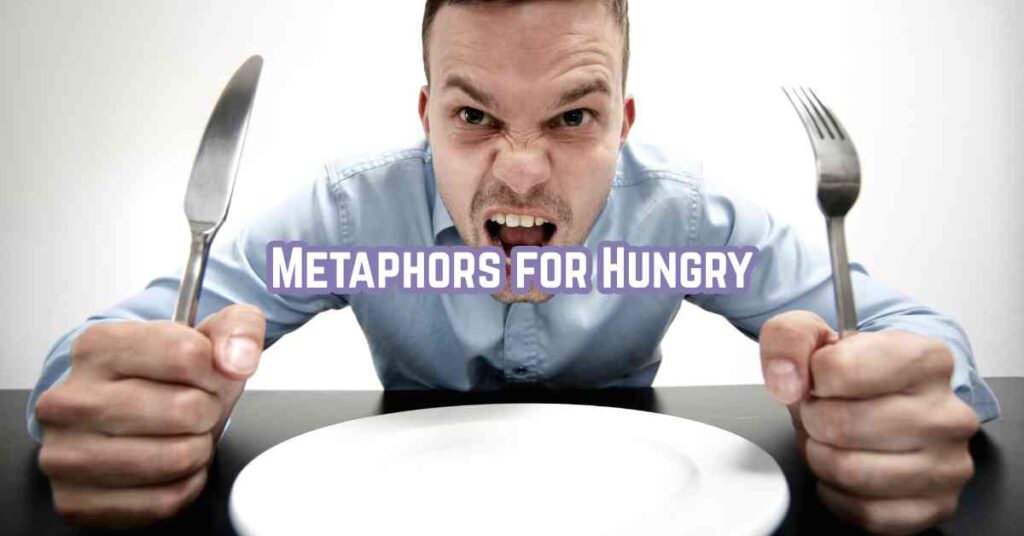

Understanding metaphors is crucial for mastering the nuances of the English language. Metaphors allow us to express complex ideas and emotions in a vivid and relatable way. Specifically, exploring metaphors for hunger helps us appreciate the creative and expressive power of language beyond literal descriptions. This article is designed for English language learners of all levels, from beginners to advanced speakers, who wish to enhance their understanding and usage of figurative language. This guide will equip you with the knowledge and practice to effectively use metaphors to describe hunger in various contexts.
Table of Contents
- Introduction
- Definition of Metaphor
- Structural Breakdown of Metaphors for Hungry
- Types and Categories of Metaphors for Hungry
- Examples of Metaphors for Hungry
- Usage Rules for Metaphors
- Common Mistakes with Metaphors
- Practice Exercises
- Advanced Topics in Metaphorical Language
- Frequently Asked Questions
- Conclusion
Definition of Metaphor
A metaphor is a figure of speech that directly compares two unrelated things, asserting that one thing is another. Unlike similes, which use “like” or “as” to make a comparison, metaphors imply a resemblance without explicitly stating it. Metaphors add depth, color, and emotional resonance to language, making it more engaging and memorable.
In the context of hunger, metaphors allow us to express the intensity and nature of our need for food in creative and imaginative ways. Instead of simply saying “I am hungry,” we can use a metaphor to convey a more vivid and nuanced experience. For example, saying “I’m so hungry I could eat a horse” is a common metaphor that emphasizes the extreme degree of hunger.
Metaphors function by transferring qualities or characteristics from one concept (the source domain) to another (the target domain). In the case of “hungry” metaphors, the source domain is something other than hunger, and the target domain is the feeling of being hungry. This transfer creates a new understanding or perspective on the target domain.
Structural Breakdown of Metaphors for Hungry
Understanding the structure of metaphors helps in both interpreting and creating them effectively. A typical metaphor consists of two main components: the tenor (or subject) and the vehicle. The tenor is the concept being described, while the vehicle is the concept used to describe it.
In the context of metaphors for hungry, the tenor is always the feeling of hunger. The vehicle, however, can vary widely. It might be an animal, a natural phenomenon, a machine, or any other concept that can convey a sense of intense need or emptiness. For example, in the metaphor “My stomach is a bottomless pit,” the tenor is the feeling of hunger, and the vehicle is “a bottomless pit.” The common ground between the two is the idea of insatiable emptiness.
The effectiveness of a metaphor depends on the strength of the connection between the tenor and the vehicle. A good metaphor should evoke a clear and compelling image or feeling in the listener’s mind. It should also be appropriate for the context and audience.
Metaphors for hunger often rely on exaggerating the physical sensations associated with hunger, such as emptiness, weakness, or discomfort. They can also highlight the psychological effects of hunger, such as irritability, distraction, or desperation.
Types and Categories of Metaphors for Hungry
Metaphors for hungry can be categorized based on the specific imagery or concepts they employ. Here are some common categories:
Animalistic Metaphors
These metaphors compare hunger to the ravenous appetite of an animal. They often involve predatory animals or animals known for their large appetites.
Nature-Based Metaphors
These metaphors draw parallels between hunger and natural phenomena, such as storms, droughts, or vast empty spaces.
Mechanical Metaphors
These metaphors use the imagery of machines or engines to describe the feeling of hunger, often focusing on the idea of an empty or malfunctioning mechanism.
Abstract Metaphors
These metaphors employ more abstract concepts, such as voids, chasms, or insatiable desires, to convey the intensity of hunger.
Exaggerated Metaphors
These metaphors use hyperbole to dramatically overstate the feeling of hunger, often for humorous effect.
Examples of Metaphors for Hungry
Here are a variety of metaphors for expressing hunger, categorized for clarity. Each category includes examples that range from mild to extreme expressions of hunger.
Animalistic Metaphors
These metaphors use the imagery of animals to convey the feeling of hunger. The choice of animal often reflects the intensity and nature of the hunger.
| Metaphor | Explanation |
|---|---|
| I’m as hungry as a bear. | Compares hunger to the intense appetite of a bear, particularly after hibernation. |
| I could eat a horse. | A common metaphor indicating extreme hunger, suggesting the ability to consume a large amount of food. |
| My stomach is growling like a lion. | Uses the sound of a lion’s growl to emphasize the audible and insistent nature of hunger. |
| I’m ravenous. | Implies a voracious, insatiable hunger, like that of a scavenging bird. |
| I’m as hungry as a wolf. | Similar to “hungry as a bear,” emphasizing a wild, primal hunger. |
| My stomach feels like a pack of wolves is fighting inside. | A more vivid and intense version of “hungry as a wolf,” highlighting the discomfort of hunger. |
| I’m famished like a stray dog. | Conveys a sense of desperation and prolonged hunger. |
| I’m as peckish as a bird. | A milder form, suggesting a slight hunger or need for a small snack. |
| My hunger is a beast that needs to be fed. | Personifies hunger as a wild, uncontrollable force. |
| I’m so hungry I could eat the bark off a tree. | Exaggerates the hunger to an absurd level, suggesting a willingness to eat anything. |
| My stomach is eating itself like a cannibal. | Uses a disturbing image to emphasize the self-destructive feeling of extreme hunger. |
| I feel like a shark that hasn’t eaten in weeks. | Emphasizes the predatory and desperate nature of hunger. |
| The hunger gnaws at me like a rat. | Uses the image of a gnawing rat to describe a persistent and irritating hunger. |
| I am as hungry as a caterpillar before metamorphosis. | Refers to the caterpillar’s need to consume a lot of food before it turns into a butterfly. |
| I feel like a locust swarm could be satisfied by my hunger. | Implies an insatiable hunger. |
| My stomach is a hungry little bird chirping for food. | A more gentle way to describe initial hunger pangs. |
| I am as hungry as a lioness after hunting. | Implies a strong, instinctive hunger. |
| My hunger is a roaring tiger inside me. | Emphasizes the intense and ferocious nature of the hunger. |
| I’m as hungry as a hibernating squirrel preparing for winter. | Highlights the need to store up on food. |
| I could devour a whole flock of chickens, I’m so hungry. | Hyperbole to emphasize the magnitude of the hunger. |
Nature-Based Metaphors
These metaphors use elements of nature to describe hunger, often focusing on emptiness, barrenness, or natural disasters.
| Metaphor | Explanation |
|---|---|
| My stomach feels like a desert. | Compares the emptiness of the stomach to the barrenness of a desert. |
| I’m parched with hunger. | Uses the feeling of thirst to describe the intense need for food. |
| My stomach is an empty field after harvest. | Emphasizes the complete lack of sustenance. |
| I feel like a drought is happening in my stomach. | Uses the image of a drought to convey the dryness and emptiness of hunger. |
| My hunger is a vast, empty ocean. | Highlights the immensity and insatiability of the hunger. |
| I am as empty as the Grand Canyon. | Referencing the vastness of the Grand Canyon to emphasise emptiness. |
| My stomach is a black hole. | Emphasizing the insatiable nature of the hunger. |
| I’m as barren as the moon. | Uses the image of a dead landscape to emphasize the lack of nourishment. |
| My hunger is a storm brewing inside me. | Suggests a growing, disruptive hunger. |
| My stomach is a dried-up riverbed. | Conveys a sense of depletion and lack of sustenance. |
| My insides feel like a barren wasteland. | Highlights the desolation caused by hunger. |
| I’m as hollow as an old tree trunk. | Uses the image of emptiness to convey a feeling of hunger. |
| My stomach feels like a bottomless chasm. | Emphasizes the depth and insatiability of hunger. |
| I feel like I’ve been wandering a desert without water or food. | Combines the imagery of thirst and hunger for a powerful effect. |
| My hunger is a deep, dark forest I need to forage through. | Suggests a need to search for sustenance. |
| My stomach is an empty cave, echoing with hunger. | Highlights the emptiness and the resonating feeling of hunger. |
| I feel like a plant that hasn’t been watered in weeks. | Emphasizes the need for nourishment. |
| My hunger is like a dormant volcano, ready to erupt. | Suggests a suppressed but powerful hunger. |
| I’m as dried up as a tumbleweed. | Conveys a sense of desiccation and emptiness. |
| My stomach is a barren field after a locust plague. | Highlights the complete devastation and lack of food. |
Mechanical Metaphors
These metaphors use the imagery of machines and engines to describe the feeling of hunger, often focusing on emptiness or malfunction.
| Metaphor | Explanation |
|---|---|
| My engine is running on empty. | Compares the body to a car that needs fuel to function. |
| My stomach feels like a machine grinding to a halt. | Emphasizes the slowing down of bodily functions due to hunger. |
| I’m running out of fuel. | Similar to “engine is running on empty,” highlighting the need for energy. |
| My stomach is an empty gas tank. | A more direct comparison to the need for fuel. |
| I feel like my batteries are dying. | Uses the image of a battery losing power to describe the feeling of weakness from hunger. |
| My system is shutting down from lack of energy. | Implies a critical need for sustenance. |
| My stomach is a factory with no supplies. | Highlights the lack of raw materials needed for production. |
| I feel like a robot running on low power. | Emphasizes the mechanical aspect of needing energy. |
| My gears are grinding to a standstill. | Suggests a slowing down of bodily functions due to hunger. |
| I need to recharge my batteries. | A more casual way to express the need for food. |
| My stomach is a furnace with no coal to burn. | Conveys the idea of needing fuel for energy production. |
| My internal engine is sputtering and stalling. | Highlights the erratic functioning of the body due to hunger. |
| I feel like I need an oil change and a full tank of gas. | A more elaborate metaphor emphasizing the need for replenishment. |
| My stomach is a machine desperately needing lubrication. | Implies discomfort and inefficiency due to hunger. |
| I’m running on fumes. | Suggests a minimal amount of energy left. |
| My hunger is a broken conveyor belt, halting production. | Emphasizes the disruption of bodily processes. |
| I feel like a worn-out engine that needs to be rebuilt. | Highlights the exhaustion and depletion caused by hunger. |
| My stomach is a clock winding down. | Conveys a sense of impending stoppage. |
| I’m running on backup power. | Suggests a temporary and unsustainable state. |
| My hunger is a short circuit in my system. | Emphasizes the disruption and malfunction caused by hunger. |
Usage Rules for Metaphors
Using metaphors effectively requires an understanding of context, audience, and the connotations of the words you choose. Here are some guidelines:
- Be Clear: The connection between the tenor and vehicle should be readily apparent. If the metaphor is too obscure, it will confuse rather than enlighten.
- Be Consistent: Avoid mixing metaphors within the same sentence or passage. This can create a jarring and confusing effect.
- Be Appropriate: Choose metaphors that are suitable for the context and audience. A highly technical metaphor might not be appropriate for a general audience.
- Be Original: While common metaphors can be effective, try to create your own metaphors to add originality and impact to your writing.
- Consider Connotations: Be aware of the emotional associations of the words you use. A metaphor that uses negative imagery might not be appropriate for a positive context.
Common Mistakes with Metaphors
Several common mistakes can undermine the effectiveness of metaphors. Recognizing and avoiding these errors will improve your use of figurative language.
| Mistake | Incorrect Example | Correct Example |
|---|---|---|
| Mixed Metaphors: Combining two or more incompatible metaphors. | The project is a rollercoaster headed for a brick wall, but we need to stay the course. | The project is a rollercoaster headed for a brick wall. (Focuses on the impending disaster) OR We need to stay the course, even if the waters are rough. (Focuses on perseverance) |
| Clichés: Using overused and predictable metaphors. | I’m as hungry as a horse. | My stomach feels like a desert after a week without rain. |
| Inappropriate Tone: Using a metaphor that doesn’t fit the context. | I’m absolutely famished; let’s grab a bite. (Famished is too strong for a casual situation) | I’m feeling a bit peckish; let’s grab a bite. |
| Obscure Metaphors: Using a metaphor that is too difficult to understand. | My hunger is a fractal dimension of gastronomic desire. | My hunger is a vast, unfillable void. |
| Overuse of Metaphors: Using too many metaphors in a short space. | My stomach was a roaring furnace, a bottomless pit, a black hole devouring everything in its path. | My stomach was a roaring furnace. |
Practice Exercises
Test your understanding of metaphors for hunger with these exercises.
Exercise 1: Identifying Metaphors
Instructions: Identify the metaphors in the following sentences.
| Question | Answer |
|---|---|
| 1. My stomach is a bottomless pit. | bottomless pit |
| 2. I’m running on fumes. | running on fumes |
| 3. My hunger is a beast that needs to be fed. | a beast that needs to be fed |
| 4. My engine is running on empty. | engine is running on empty |
| 5. I feel like a drought is happening in my stomach. | a drought is happening in my stomach |
| 6. I’m as hungry as a wolf. | as hungry as a wolf |
| 7. My stomach is a machine desperately needing lubrication. | a machine desperately needing lubrication |
| 8. I’m parched with hunger. | parched with hunger |
| 9. My hunger is a storm brewing inside me. | a storm brewing inside me |
| 10. I could eat a horse. | eat a horse |
Exercise 2: Completing Metaphors
Instructions: Complete the following metaphors with appropriate endings.
| Question | Answer |
|---|---|
| 1. My stomach feels like a ______. | desert |
| 2. I’m as empty as ______. | the Grand Canyon |
| 3. My hunger is a ______. | deep, dark forest |
| 4. I feel like my batteries are ______. | dying |
| 5. My stomach is an empty ______. | gas tank |
| 6. I’m as barren as ______. | the moon |
| 7. My hunger is a roaring ______. | tiger inside me |
| 8. I’m running on ______. | fumes |
| 9. My stomach is a furnace with no ______ . | coal to burn |
| 10. My system is shutting down from lack of ______. | energy |
Exercise 3: Creating Metaphors
Instructions: Create your own metaphors for the following scenarios of hunger.
| Scenario | Possible Metaphor |
|---|---|
| 1. Feeling slightly hungry before lunch. | My stomach is a gently rumbling engine. |
| 2. Feeling extremely hungry after a long workout. | I’m so hungry, I could devour a small village. |
| 3. Feeling hungry after skipping breakfast. | My stomach is an empty canvas waiting to be painted with food. |
| 4. Feeling hungry while waiting for a delayed dinner. | My hunger is a persistent drip, drip, drip, driving me crazy. |
| 5. Feeling hungry while dieting. | My hunger is a caged animal, pacing back and forth. |
| 6. Feeling hungry during a long meeting. | My stomach is sending SOS signals. |
| 7. Feeling hungry on a long car ride. | My stomach is a restless passenger, asking “Are we there yet?” |
| 8. Feeling hungry after a large meal. | My hunger is a deceptive illusion, it’s never truly satisfied. |
| 9. Feeling hungry, but you have no time to eat. | My stomach is a ticking time bomb, about to explode. |
| 10. Feeling hungry and irritable. | My hunger is a gremlin, making me cranky. |
Advanced Topics in Metaphorical Language
For advanced learners, exploring the theoretical underpinnings of metaphor can provide a deeper understanding of how language shapes thought. Conceptual Metaphor Theory, developed by George Lakoff and Mark Johnson, argues that metaphors are not merely stylistic devices but fundamental to how we understand abstract concepts. According to this theory, our understanding of hunger, like many abstract concepts, is structured by underlying conceptual metaphors such as HUNGER IS A VOID or HUNGER IS AN ANIMAL.
Another advanced topic is the use of extended metaphors, where a single metaphor is developed and elaborated throughout a text. For example, a writer might compare hunger to a persistent illness, exploring the various ways in which hunger can weaken, distract, and ultimately consume a person. Such extended metaphors can add depth and complexity to writing, creating a rich and nuanced portrayal of the experience of hunger.
Finally, exploring the cultural variations in metaphors for hunger can provide insights into different cultural attitudes towards food and deprivation. Some cultures may emphasize the physical discomfort of hunger, while others may focus on its psychological effects. Studying these variations can broaden your understanding of both language and culture.
Frequently Asked Questions
Here are some frequently asked questions about metaphors and their use in describing hunger.
- What is the difference between a metaphor and a simile?
A metaphor directly equates two things (e.g., “My stomach is a bottomless pit”), while a simile uses “like” or “as” to make a comparison (e.g., “I’m as hungry as a bear”). Metaphors are more assertive and create a stronger sense of identification between the two things being compared.
- Why use metaphors instead of literal language?
Metaphors add depth, color, and emotional resonance to language. They can make your writing more engaging, memorable, and persuasive. In the case of hunger, metaphors can convey the intensity and nature of your need for food in a more vivid and imaginative way than literal descriptions.
- How can I create my own metaphors?
Start by identifying the key characteristics of the concept you want to describe (in this case, hunger). Then, brainstorm other concepts that share similar characteristics. Look for connections between the two concepts and try to express the connection in a creative and original way.
- Are some metaphors better than others?
Yes. Effective metaphors are clear, consistent, appropriate, and original. They should evoke a clear and compelling image or feeling in the listener’s mind and should be suitable for the context and audience.
- What are some common pitfalls to avoid when using metaphors?
Avoid mixed metaphors, clichés, inappropriate tone, obscure metaphors, and overuse of metaphors. These mistakes can undermine the effectiveness of your writing and confuse your audience.
- How do metaphors change across different languages and cultures?
Metaphors are often culturally specific, reflecting the unique experiences and values of different communities. A metaphor that is effective in one language or culture may not translate well to another. It’s important to be aware of these cultural differences when using metaphors in cross-cultural communication.
- Can metaphors be used in formal writing?
Yes, but use them judiciously. In formal writing, metaphors should be used to clarify complex ideas or add emphasis, not to simply decorate the text. Choose metaphors that are appropriate for the tone and audience of the writing.
- How can I improve my understanding of metaphors?
Read widely and pay attention to how writers use metaphors in their work. Practice creating your own metaphors and get feedback from others. The more you expose yourself to metaphorical language, the better you will become at understanding and using it effectively.
Conclusion
Mastering the art of using metaphors for hunger, or any concept, involves understanding the basic principles of figurative language, exploring different categories of metaphors, and practicing their application in various contexts. By avoiding common mistakes and paying attention to the nuances of language, you can effectively use metaphors to enhance your communication skills and express your ideas with greater clarity and impact.
Remember that metaphors are not just decorative elements of language; they are powerful tools for shaping thought and creating understanding. Continue to explore and experiment with metaphors, and you will discover new and exciting ways to express yourself. The journey of mastering metaphors is a continuous process of learning and discovery.